


Is 20mg a lot? In law, yes — it is the highest concentration you can legally buy in the UK, the EU and Canada. In practice, no — it is the standard strength of a disposable, and it delivers nicotine more slowly than a cigarette. Both statements are true at once, and that contradiction is exactly why the question keeps getting asked.
The confusion comes from one thing: “20mg” is a concentration, not a dose. It tells you how much nicotine is in every millilitre of liquid. It does not tell you how much reaches your bloodstream, because that depends on how much vapour your device produces, how you draw on it, and whether the nicotine is in salt or freebase form. Two people can vape the same 20mg liquid and absorb very different amounts.
This guide untangles the numbers: what 20mg and 2% and 5% actually mean, how they compare with a cigarette, what the difference is between salt nicotine and freebase, and which strength fits the device you already own.
Is 20mg nicotine a lot?
It depends entirely on what you are comparing it to — and by the standard that matters (absorption), it is moderate.
20mg/mL is a legal ceiling, not a strength rating. The UK, the EU and Canada all cap nicotine e-liquid at 20mg/mL. The cap was set for safety reasons, to limit how much nicotine a person can consume in one sitting. A product at the cap is not “extreme”; it is the top of the legal range, and it is what the overwhelming majority of disposables and pre-filled pods contain.
The second thing worth separating is concentration from delivery. A 20mg liquid in a small, low-power pod produces a thin, cigarette-like amount of vapour per puff. The same liquid in a high-power device would produce far more vapour — which is precisely why high-strength liquid and high-power devices are not meant to be combined.
| What you are asking | Short answer |
|---|---|
| Is 20mg the strongest legal vape? | In the UK, EU and Canada, yes — 20mg/mL is the maximum |
| Is 20mg unusually strong in practice? | No. It is the standard strength of disposables and refillable pods |
| Does 20mg deliver more nicotine than a cigarette? | Not per puff, and not necessarily per session — absorption is slower |
| Should a beginner start at 20mg? | Only if they were a regular smoker — see the device table below |
What do 20mg, 2% and 5% actually mean?
These are two labels for the same thing, plus one label that means something different.
- mg/mL is a concentration: milligrams of nicotine per millilitre of liquid.
- A percentage is that same concentration expressed as a percentage. 20mg/mL is 2%, because 20 milligrams per millilitre works out at about 2 parts in 100.
- A total in milligrams is a different measurement entirely: concentration multiplied by volume. One 10ml bottle of 20mg liquid contains 200mg of nicotine in total, but you do not consume that in one go.
| Label on the pack | Concentration | What it usually means |
|---|---|---|
| 0mg / 0% | 0 mg/mL | Nicotine-free. The liquid, flavour and vapour are unchanged |
| 3mg | 3 mg/mL | Freebase, for sub-ohm and higher-power devices |
| 6mg | 6 mg/mL | Freebase, mid-power pods and tanks |
| 12mg | 12 mg/mL | Freebase, the top of the common freebase range |
| 1% | 10 mg/mL | Lower end of salt nicotine |
| 2% | 20 mg/mL | The standard disposable and pod strength; the UK/EU/Canada legal maximum |
| 3% | 30 mg/mL | Common in the US. JUUL labels 3% by weight = 35 mg/mL |
| 5% | 50 mg/mL | Common in the US. JUUL labels 5% by weight = 59 mg/mL |
| 6% | 60 mg/mL | The top of the US authorised range (NJOY DAILY EXTRA) |
One label quirk is worth knowing because it makes strength comparisons wrong. JUUL prints its strengths by weight, so its 5% pod contains 59mg/mL, not the 50mg/mL a straight percentage conversion would give you. Whenever you compare products across brands, compare them in mg/mL, not in percentages.
How much nicotine is in a cigarette compared with a vape?
A cigarette contains far more nicotine than it delivers — most of it is destroyed by burning or lost in sidestream smoke. That gap is the single most useful fact for reading any strength label.
| Nicotine present | Nicotine actually absorbed | |
|---|---|---|
| One cigarette | roughly 10–14 mg | roughly 1–1.5 mg |
| 1 ml of 20mg/mL liquid | 20 mg | roughly 2–6 mg (typically 10–30% of content) |
| A 600-puff 20mg disposable (about 2 ml) | about 40 mg | a fraction of that, spread over hundreds of puffs |
Two conclusions follow. First, a 20mg vape is not “20 cigarettes in a pocket” — that claim compares total content with absorbed dose, which is an apples-to-oranges comparison. Second, absorbed nicotine from vaping per puff is lower than from a cigarette, which is why heavy smokers often need the highest legal strength rather than the lowest.
If you want the puff-by-puff version of this comparison, our guide to how many puffs of a vape equal one cigarette does the arithmetic for 2% and 5% devices.
What is salt nicotine, and why does it feel smoother?
Nicotine salt is not a different drug. It is the same nicotine, chemically paired with a mild acid — most often benzoic acid — so that its pH is lower.
That matters for one practical reason: freebase nicotine is alkaline, and alkaline nicotine bites. In the 1960s the tobacco industry raised the pH of cigarette smoke deliberately, to make it easier to inhale. Vaping faced the same problem in reverse: high-strength freebase liquid is harsh enough that most people cannot comfortably vape it at all.
In 2015, PAX Labs — the company behind JUUL — patented the first nicotine salt formulation for vaping, pairing nicotine with benzoic acid. The lower pH made high-strength liquid smooth enough to inhale, and the formulation was absorbed quickly enough to satisfy a cigarette craving. That single innovation is why 20mg and 50mg liquids exist at all today.
| Nicotine salt | Freebase nicotine | |
|---|---|---|
| pH | Lower | Higher |
| Throat hit | Smooth, even at high strength | Harsher; rises with strength |
| Speed of nicotine delivery | Fast — closer to a cigarette | Slower |
| Typical strengths | 10–20mg/mL (up to 50mg/mL in the US) | 3–12mg/mL |
| Best suited to | Low-power pods and disposables | Sub-ohm and higher-power devices |
| Vapour production | Modest | Larger clouds |
For the longer version — how salt behaves in different devices, and whether it is stronger than freebase in the way people assume — see our explainer on what nicotine salt actually is.
Which strength should you pick for your device?
Your device sets the dose, and it sets it more than the label does. A puff from a high-power device can contain several times the vapour of a puff from a small pod, and more vapour means more nicotine per puff.
| Device | Power band | Strength that fits |
|---|---|---|
| Pre-filled pod or disposable | 10–15W | 20mg/mL (2%) salt — the pre-filled standard |
| Refillable pod (small, tight draw) | 10–20W | 10–20mg/mL salt |
| MTL pen or tank | 10–15W | 12–18mg/mL, freebase or salt |
| Sub-ohm tank or box mod | 30W and up | 1.5–6mg/mL freebase only |
The rule of thumb is counter-intuitive but reliable: the more vapour a device makes, the lower the strength should be. Most people who find vaping harsh are running a high-strength liquid in a device that produces far more vapour than a cigarette ever did. Most people who find it unsatisfying are running a low-strength liquid through a small pod and absorbing very little per puff.
If you are choosing for a range rather than for yourself — matching strengths to device types across a catalogue — our guide to choosing nicotine strength in a disposable approaches the same question from the manufacturing side.
How strong is a vape allowed to be where you live?
Strength limits vary more than most buyers expect, and they are set by concentration rather than by total nicotine.
| Market | Maximum concentration | Notes |
|---|---|---|
| UK | 20 mg/mL | Under TRPR. Refill bottles capped at 10ml, tank capacity at 2ml |
| EU | 20 mg/mL | Article 20 of the TPD, uniformly applied across member states |
| Canada | 20 mg/mL | The standard for disposables and pre-filled pods nationwide |
| US | No federal concentration cap | But only FDA-authorised products may lawfully be sold — 48 as of August 2026, ranging from Vuse Alto 1.8% up to NJOY DAILY EXTRA 6% |
Two consequences follow for anyone buying across borders. First, the same product name can be a different strength in different markets — a 5% US disposable is illegal to sell in the UK, where the ceiling is 2%. Second, the tax bill no longer depends on strength. From 1 October 2026 the UK’s Vaping Products Duty is a flat £2.20 per 10ml regardless of nicotine content, so a 0mg bottle is taxed exactly the same as a 20mg bottle. We cover that in full in our guide to the UK vape tax.
For the country-by-country regulatory picture, see our breakdown of nicotine strength limits worldwide, and for what is actually authorised on sale in the US, the FDA-authorised list.
Does a higher strength mean a stronger hit?
No — and this is the most expensive misreading in the category.
Throat hit is driven by pH, propylene glycol ratio and power, not by the milligram number alone. A 20mg nic salt is smoother than an 18mg freebase, even though it contains more nicotine, because the salt’s lower pH suppresses the bite. That is why the number on the bottle is a poor guide to how strong a product feels, and why buyers who want more throat hit should usually move to freebase or a higher-PG blend rather than simply raising the milligram count.
How do you step down without going back to cigarettes?
Slowly, and by one step at a time. The pattern that works is to change one variable at a time and give each step a month or two to settle:
- Hold your starting strength for 1–2 months. Stepping down immediately is the most common cause of relapse.
- Drop one level — 20mg salt to 10mg salt, not 20mg straight to 3mg.
- Change the formulation second, not first. Once 10mg salt feels normal, 6mg freebase in a refillable pod is a reasonable next step.
- Continue in single steps — 6mg, then 3mg, then 0mg if you want to stop nicotine entirely.
- Step back up without guilt if cravings return. Falling back one level is not failure; abandoning vaping for cigarettes is the outcome worth avoiding.
Judging whether you are on the wrong strength is easier than it sounds. Too high shows up as light-headedness, nausea, a headache or a harshness that persists even on gentle draws. Too low shows up as near-constant puffing, cravings that never quite go away, or still smoking alongside vaping. If you are stepping all the way down, our guide to whether zero-nicotine vapes are better or worse covers what changes when the nicotine finally reaches zero.
Common mistakes when reading a nicotine label
- Confusing a concentration with a total. 20mg/mL is not “20mg of nicotine”. A 10ml bottle holds 200mg in total.
- Assuming a percentage means the same thing across brands. JUUL’s 5% is 59mg/mL by weight; a generic 5% is usually 50mg/mL. Convert everything to mg/mL.
- Assuming a bigger number means a harsher hit. A 20mg salt is smoother than a 12mg freebase.
- Assuming 0mg is tax-free and unregulated. In the UK the duty is charged on zero-nicotine liquid at the same rate, and age restrictions apply to 0mg products in most markets.
- Buying strength for the tank you might upgrade to. Match the strength to the device in your hand today.
FAQ
Is 20mg a lot for a beginner?
Only if you were not a regular smoker. If you smoked a pack a day, 20mg salt in a pod is the strength most likely to replace cigarettes, and it is the strength disposables already use. If you smoked occasionally or not at all, 20mg is likely to feel excessive — start at 3–6mg freebase, or at 0mg if you only want the ritual.
Is 20mg stronger than a cigarette?
Not in the way people mean. A cigarette delivers around 1–1.5mg of nicotine to the bloodstream, relatively quickly. A 20mg liquid delivers nicotine more slowly and less efficiently, so a short session on a 20mg pod approximates a cigarette or two rather than exceeding it.
Is 20mg the same as 2%?
Yes. 20mg/mL is a concentration of 2%, and the two labels describe the same liquid. The reverse also holds: a 2% disposable contains 20mg of nicotine per millilitre.
Is salt nic stronger than freebase?
No — it is smoother and faster, not stronger. Salt and freebase at the same mg/mL contain the same amount of nicotine; the salt merely has a lower pH, which makes higher concentrations comfortable to inhale and delivers them to the bloodstream more quickly.
Can you get too much nicotine from vaping?
Nicotine poisoning requires a very large dose — far beyond what normal vaping delivers — but you can certainly take in more than is comfortable. Light-headedness, nausea, a headache or a racing pulse mean you should stop and step down a level. The practical risk with high-strength liquid is not toxicity; it is using it in a device that produces far more vapour than it was formulated for.
Is 20mg legal in the UK and the US?
In the UK, 20mg/mL is the legal maximum, so a 20mg product is at the ceiling rather than over it. In the US there is no federal concentration cap, but a product may only be sold if it holds FDA marketing authorisation — the authorised range runs from 1.8% to 6%.
The Bottom Line
20mg is not a lot in the way the question implies. It is the legal ceiling in the UK, the EU and Canada, and simultaneously the ordinary strength of the disposable in your hand — smooth, moderate in delivery, and specifically designed for people switching from cigarettes. What actually decides how much nicotine you take in is the device, the draw and the formulation, not the number on the label.
Read the label in mg/mL, match the strength to the device, and change one variable at a time on the way down.
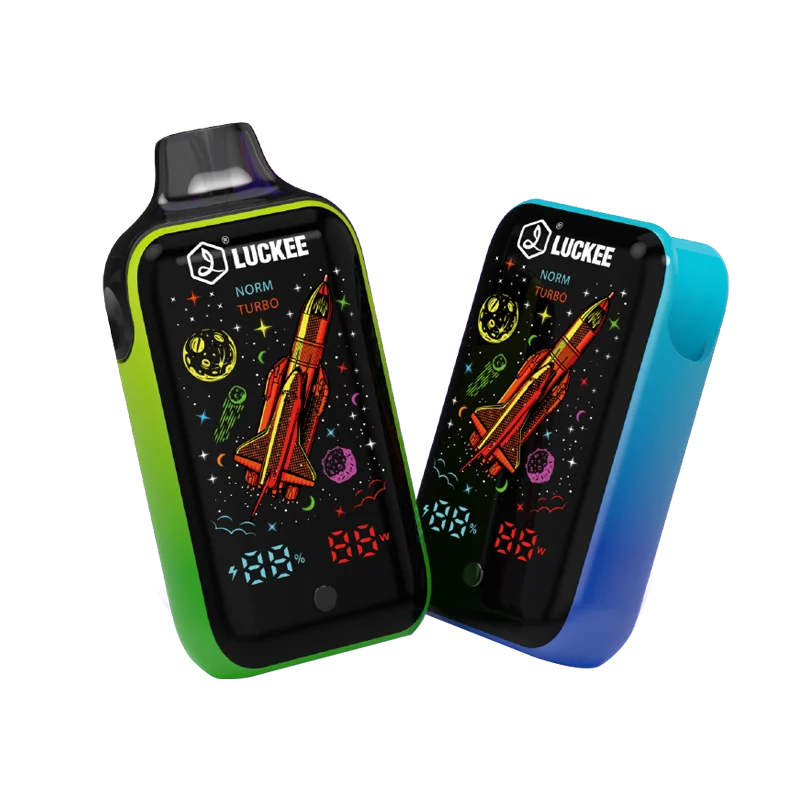
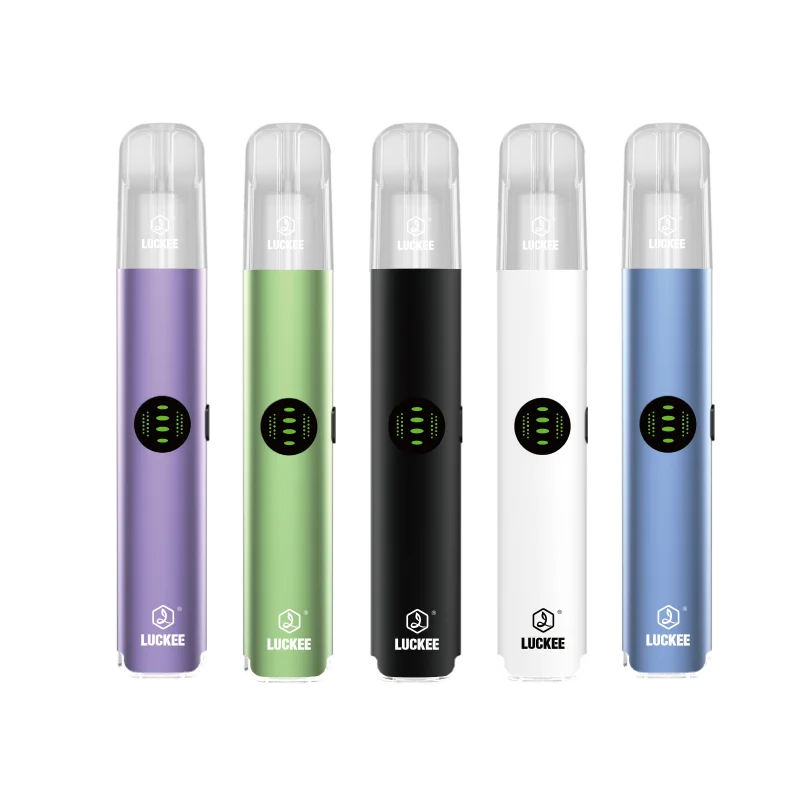
If you want to know what a specific product actually contains rather than what the general range is, see how much nicotine is in a LUCKEE vape. For buyers specifying strengths for a private-label range — including salt formulations from 10mg/mL upward and freebase from 3mg/mL — see our OEM/ODM service and the disposable vape range.
This guide reflects published regulatory limits and product data as of October 2026. Nicotine strength rules change; verify against your local regulator before buying or selling. For adults of legal vaping age only. Nicotine is an addictive chemical.