
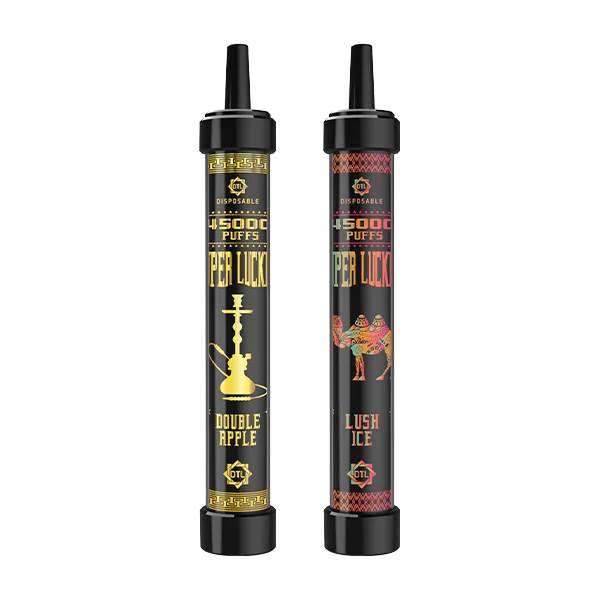



Can You Get Secondhand Smoke from Vaping ?
The short answer is no—vaping does not produce secondhand smoke because nothing is burned. However, people nearby may still breathe in secondhand vape aerosol, which can contain nicotine, fine particles and other substances. Exposure is generally different from—and expected to be less harmful than—secondhand cigarette smoke, but it should not be considered completely risk-free.
Most people understand that secondhand cigarette smoke can cause serious health problems. Cigarettes burn tobacco, producing a complex mixture of gases and particles that can remain in the air and expose everyone nearby.
Vaping works differently. An electronic cigarette heats an e-liquid to create an aerosol that the user inhales and exhales. Because there is no combustion, vaping does not produce tobacco smoke, tar or the same mixture of combustion products found in cigarette smoke.
That does not mean the exhaled aerosol is simply harmless water vapor. Understanding this distinction is important for vapers, non-vapers, parents, employers and anyone who shares an indoor space with people who vape.

What Is Secondhand Vape Aerosol?
Secondhand vape aerosol is the material exhaled into the surrounding air after someone uses an electronic cigarette or vaping device.
It is often called:
- Secondhand vapor
- Passive vaping
- Environmental vape aerosol
- Secondhand e-cigarette aerosol
Although “vapor” is the term commonly used in everyday conversation, “aerosol” is more scientifically accurate. The visible cloud may contain tiny liquid droplets, particles and chemical compounds rather than only water vapor.
Depending on the device and e-liquid, secondhand aerosol may contain:
- Propylene glycol
- Vegetable glycerin
- Nicotine
- Flavoring compounds
- Ultrafine particles
- Small amounts of volatile organic compounds
- Trace metals or other substances
The composition and concentration can vary according to the device, e-liquid ingredients, coil condition, power settings, room size and ventilation.
Is Secondhand Vape Aerosol the Same as Secondhand Smoke?
No. Secondhand vape aerosol and secondhand cigarette smoke are not the same.
Cigarette smoke is created by burning tobacco. This combustion process produces carbon monoxide, tar and thousands of chemicals. According to the World Health Organization, there is no safe level of exposure to secondhand tobacco smoke, which causes serious cardiovascular and respiratory diseases.
Electronic cigarettes do not burn tobacco. Instead, they heat a liquid to form an aerosol. This avoids many of the toxic substances created by combustion.
Here are the main differences:
| Feature | Secondhand cigarette smoke | Secondhand vape aerosol |
|---|---|---|
| Combustion | Yes | No |
| Tobacco smoke | Yes | No |
| Tar | Produced by burning tobacco | Not produced through tobacco combustion |
| Carbon monoxide | Commonly present | Generally not produced at cigarette-smoke levels |
| Nicotine exposure | Possible | Possible with nicotine-containing e-liquid |
| Fine particles | Present | Can be present |
| Overall risk | Proven to cause serious disease | Likely lower, but long-term risk remains uncertain |
The UK government’s evidence review concluded that vaping is expected to pose substantially less risk than smoking based on its toxicant profile. However, the review also noted that evidence concerning the direct health effects of secondhand exposure remains limited. UK Government evidence review
Can Secondhand Vaping Affect Your Health?
Secondhand vape aerosol can affect indoor air quality and expose nearby people to nicotine and other substances. However, the level of exposure is influenced by several factors, including how frequently someone vapes, the type of device used and how well the room is ventilated.
Current evidence does not support treating secondhand vaping as equivalent to secondhand cigarette smoke. At the same time, there is not enough long-term research to conclude that repeated exposure is harmless.
The World Health Organization states that electronic-cigarette aerosols can increase indoor particulate matter and may contain nicotine and other potentially toxic substances. It therefore identifies potential risks for users and bystanders. WHO guidance on e-cigarettes
A sensible conclusion is:
Secondhand vape aerosol is generally expected to be less harmful than secondhand cigarette smoke, but avoiding unnecessary exposure remains the safest approach.
Does Secondhand Vape Aerosol Contain Nicotine?
It can.
If a person uses an e-liquid containing nicotine, some nicotine may be released into the surrounding air through exhaled aerosol. The amount a bystander absorbs is usually much lower than the dose inhaled directly by the person vaping, but exposure is still possible.
Nicotine-free e-liquid removes nicotine from the equation, but the resulting aerosol may still contain flavoring chemicals, propylene glycol, vegetable glycerin and fine particles. A “zero-nicotine” label therefore does not automatically mean that the aerosol has no effect on indoor air quality.
Nicotine is not the main cause of smoking-related cancers, but it is highly addictive and is not harmless. Exposure is of particular concern for young people, pregnant women and developing fetuses.
Is It Safe to Vape Around Children?
Vaping around children should be avoided, especially indoors or in vehicles.
Children breathe more rapidly relative to their body size and may be more sensitive to airborne pollutants. Young children also spend time close to floors and other surfaces where aerosol residue may settle.
There is another practical concern: vaping around children can normalize the use of nicotine products. Vape devices and e-liquids should always be stored securely because accidental nicotine exposure or ingestion can be dangerous.
To protect children:
- Do not vape inside the home or car
- Keep devices and e-liquids out of reach
- Avoid leaving filled pods or disposable vapes unattended
- Wash your hands after handling leaked e-liquid
- Follow local smoke-free and vape-free regulations
Opening a window is better than vaping in a completely enclosed room, but it does not prevent all exposure. Going outside is the safer option.
What About Vaping Around Pregnant Women?
Pregnant women should not be unnecessarily exposed to nicotine or vape aerosol.
Nicotine can affect fetal development, regardless of whether it comes from cigarettes, vaping products or another nicotine source. In addition, researchers do not yet fully understand the effects of repeated exposure to every chemical combination used in e-liquids.
Anyone who is pregnant and trying to stop smoking should seek advice from a qualified healthcare professional or smoking-cessation service. The risks of continuing to smoke are well established, but product choice and cessation support should be discussed individually.
Can Vaping Trigger Asthma or Breathing Problems?
Vape aerosol may irritate some people, particularly those with asthma, allergies or other respiratory conditions.
Propylene glycol, flavoring ingredients and airborne particles can potentially cause symptoms such as:
- Coughing
- Throat irritation
- Headaches
- Chest discomfort
- Shortness of breath
- Asthma-related symptoms
Not everyone will experience these effects, and a reaction does not necessarily mean that permanent harm has occurred. Nevertheless, vaping should stop immediately when someone nearby reports breathing difficulty or discomfort.
Does Vape Aerosol Stay in the Air?
Vape aerosol generally disperses differently from cigarette smoke, but it can temporarily increase indoor particle and chemical concentrations.
How long it remains detectable depends on:
- Room size
- Ventilation
- Number of people vaping
- Frequency of vaping
- Device power
- Amount of aerosol produced
- Temperature and humidity
Repeated vaping in a small, poorly ventilated room can create more exposure than occasional vaping in a large, well-ventilated area.
Some aerosol ingredients may also settle on walls, furniture, clothing and other surfaces. This is sometimes described as thirdhand exposure, although research into the long-term significance of vape residue is still developing.
How Can You Reduce Secondhand Vape Exposure?
The most effective approach is to avoid vaping in shared enclosed spaces.
Vape Outdoors
Vaping outdoors allows aerosol to disperse more rapidly and reduces the likelihood that other people will inhale it.
Avoid Vaping in Cars
A car is a small enclosed environment. Even with an open window, passengers may still be exposed to concentrated aerosol.
Ask Before Vaping
Do not assume that others are comfortable with vaping. Ask for permission before using a device in someone else’s home or private space.
Follow Local Regulations
Many workplaces, restaurants, public-transport systems and public buildings restrict vaping. Always follow posted rules and applicable local laws.
Never Blow Aerosol Toward Other People
Even where vaping is permitted, directing aerosol toward another person is inconsiderate and may expose them unnecessarily.
Is Vaping Better Than Smoking?
For an adult who already smokes, switching completely from cigarettes to a regulated vaping product is generally expected to reduce exposure to many harmful combustion-related chemicals. The key word is completely.
Continuing to smoke cigarettes while also vaping—known as dual use—may not provide the same reduction in harm as fully stopping smoking.
This does not mean that vaping is harmless or appropriate for everyone. People who do not currently smoke should not start vaping, and nicotine-containing products should not be used by children or adolescents.
Frequently Asked Questions
Can you get secondhand smoke from a disposable vape ?
Technically, no. Vaping does not burn tobacco and therefore does not produce secondhand smoke. It produces an aerosol that nearby people may inhale.
Is secondhand vape aerosol harmful?
It may expose bystanders to nicotine, particles and other chemicals. It is generally expected to be less harmful than secondhand cigarette smoke, but it is not considered completely risk-free.
Can you get nicotine from being around someone who vapes?
Yes, low-level nicotine exposure may occur when someone uses nicotine-containing e-liquid nearby. The amount depends on the product, frequency of use, distance and ventilation.
Is it safe to vape indoors?
Vaping indoors can affect air quality and expose other people. It is better to vape outside, particularly when children, pregnant women or people with respiratory conditions are present.
Is nicotine-free vape aerosol safe for bystanders?
Nicotine-free aerosol eliminates nicotine exposure but may still contain fine particles, solvents and flavoring compounds. It should not automatically be described as harmless.
Is secondhand vaping as dangerous as secondhand smoking?
Available evidence does not suggest that the two exposures are equally dangerous. Cigarette smoke contains numerous toxic products of combustion and has been proven to cause serious disease. Vape aerosol usually contains fewer toxicants, but its long-term effects on bystanders are not yet fully understood.
Final Thoughts
So, can you get secondhand smoke from vaping? Not in the technical sense, because electronic cigarettes do not burn tobacco. What bystanders may inhale is secondhand vape aerosol.
This aerosol is fundamentally different from cigarette smoke and generally contains fewer toxic substances. However, it can still contain nicotine, fine particles and other chemicals. Current research does not justify claiming that passive vaping is completely harmless, especially when exposure is frequent or occurs in enclosed spaces.
The responsible approach is simple: vape outdoors whenever possible, respect other people’s preferences and avoid vaping around children, pregnant women and people with respiratory conditions.
Medical disclaimer: This article provides general information and is not a substitute for professional medical advice.