

Australia’s 2026 Vape Enforcement: Pharmacy-Only Access and the New Risk Model for Importers

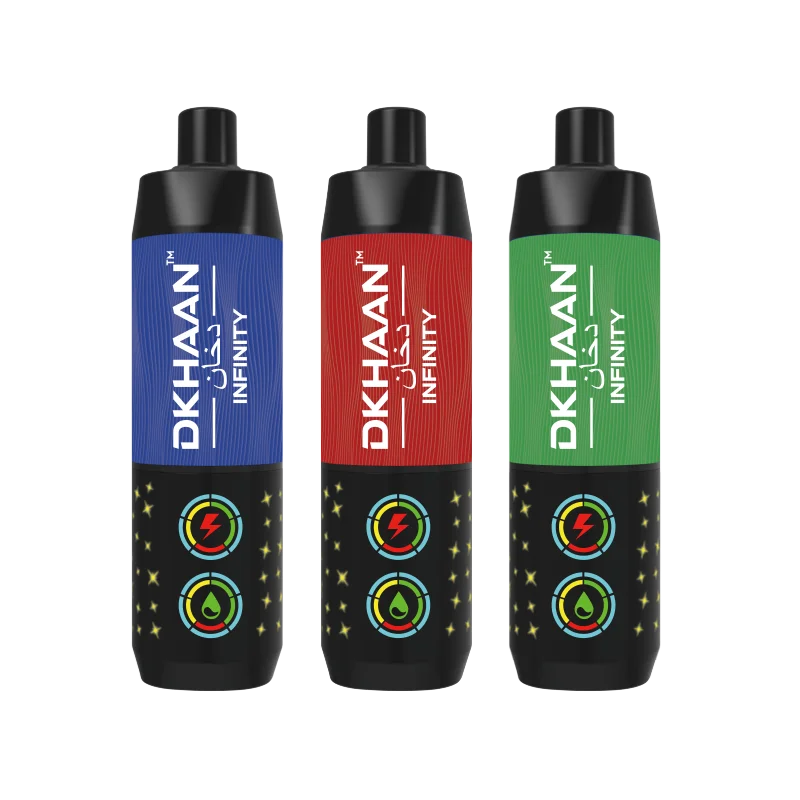
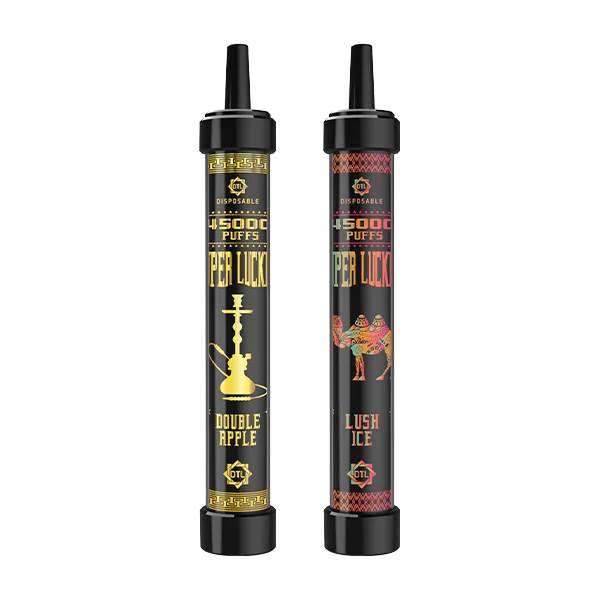
Australia has become one of the most restrictive major markets for vaping products, and 2026 enforcement shows that the framework is not theoretical. The Therapeutic Goods Administration reported a targeted enforcement action in Burwood, New South Wales, with support from police agencies, seizing more than 57,000 illegal vaping goods. For B2B companies, the message is direct: Australia is not a normal retail vape market. It is a therapeutic-access market centered on pharmacies, import permissions, product standards, and strict controls on supply.
The Australian reforms changed how vapes can be imported, manufactured, supplied, and advertised. Non-pharmacy retail channels such as tobacconists, vape shops, and convenience stores cannot lawfully supply vapes in the ordinary way. Therapeutic vapes for smoking cessation or management of nicotine dependence may be available through pharmacies if they meet TGA regulatory requirements. This structure transforms the buyer profile. Instead of selling to broad consumer retail, suppliers must understand pharmacy procurement, health-product compliance, professional consultation, and medicinal-style documentation.
Importers face substantial obligations. TGA guidance for wholesale, transport, logistics, and storage facilities emphasizes import licences and permits from the Office of Drug Control for specific types of vaping goods, including devices, accessories, and substances. A B2B exporter that ships without confirming the importer’s permit status may expose both sides to seizure and commercial loss. Purchase orders should include permit references, product descriptions, batch details, and confirmation that the goods meet the intended therapeutic pathway.
Product standards are central. Therapeutic vaping goods need to meet requirements related to ingredients, nicotine concentration, labeling, packaging, device safety, and quality. Suppliers should not assume that products legal in the UK, EU, or U.S. are acceptable in Australia. Flavor restrictions, ingredient limits, and packaging expectations may differ. For factories, this means dedicated Australian specifications and quality checks. For wholesalers, it means rejecting stock that was made for another market and relabeled casually.
The Burwood seizure also highlights the risk of parallel channels. Where consumer demand continues but legal access narrows, illicit trade can grow. Legitimate B2B operators must differentiate themselves through documentation, traceability, and transparent distribution. Retailers or intermediaries offering unusual volumes, cash terms, vague end-use information, or requests to misdescribe products should be treated as red flags. The Australian market rewards cautious partners and punishes loose supply chains.
Marketing is another sensitive area. Because vaping products are treated through a therapeutic lens, promotional language must be controlled. Suppliers should avoid lifestyle claims, youth-oriented imagery, and broad consumer advertising. Trade materials should focus on compliance, product specifications, safety, and pharmacy supply requirements. Even B2B websites should consider geo-targeting and disclaimers, because content accessible in Australia may be reviewed as promotion if it encourages unlawful supply.
For distributors outside Australia, the reforms create a strategic choice. Some may decide the market is too restrictive and avoid it. Others may build specialized compliant channels with Australian importers, pharmacy wholesalers, and health-product consultants. The second path can be valuable but requires patience. The sales cycle is longer, documentation is heavier, and product changes must be managed carefully. A low-price disposable strategy is incompatible with the Australian framework.
The reforms also affect product design. Pharmacies and adult smokers seeking cessation support may prioritize reliability, clear dosing, simple instructions, tamper-evident packaging, and consistent nicotine delivery over fashionable screens or extreme puff counts. Manufacturers should consider medical-style quality expectations: stable materials, batch testing, complaint handling, and recall readiness. Devices that leak, overheat, or deliver inconsistent aerosol will face both commercial and regulatory problems.
SEO content for Australia should be especially conservative. Search topics such as legal vapes in Australia, pharmacy vape supply, TGA vape rules, and vape import permits attract both consumers and trade readers. B2B pages should clearly state that supply is restricted and should direct trade customers to verify legal pathways. Content that appears to help consumers bypass pharmacy controls may create reputational and compliance risk.
The B2B takeaway is that Australia has moved vaping away from the convenience-store model and into a controlled health-product channel. Companies that want to participate need import-permit discipline, Australian-specific product standards, pharmacy-appropriate packaging, and strong partner screening. The 2026 seizure confirms that enforcement agencies are active. For legitimate suppliers, the opportunity lies not in scale at any cost, but in being one of the few partners that cautious Australian buyers can trust.