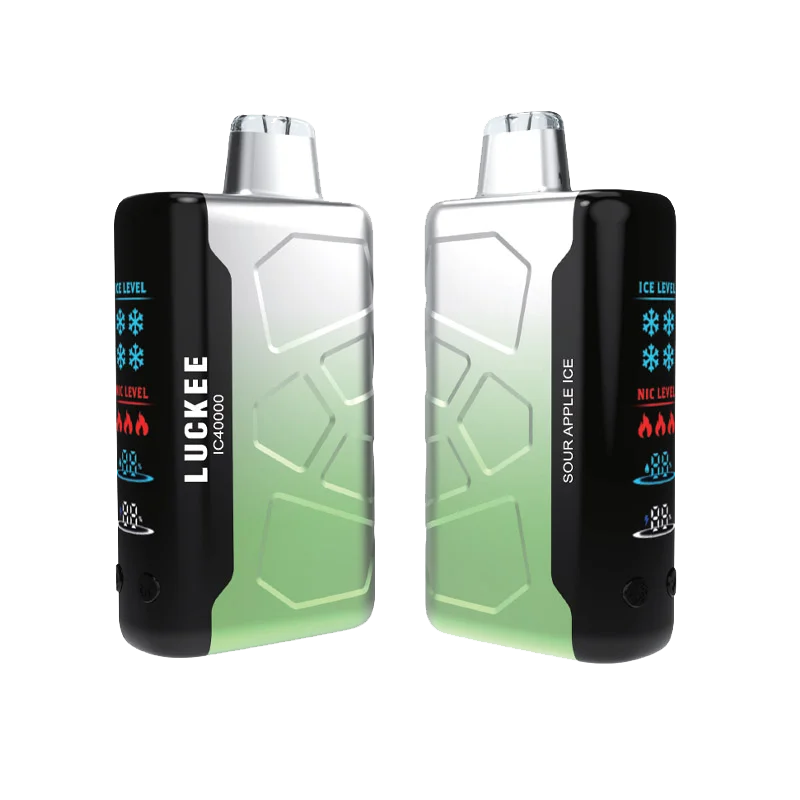
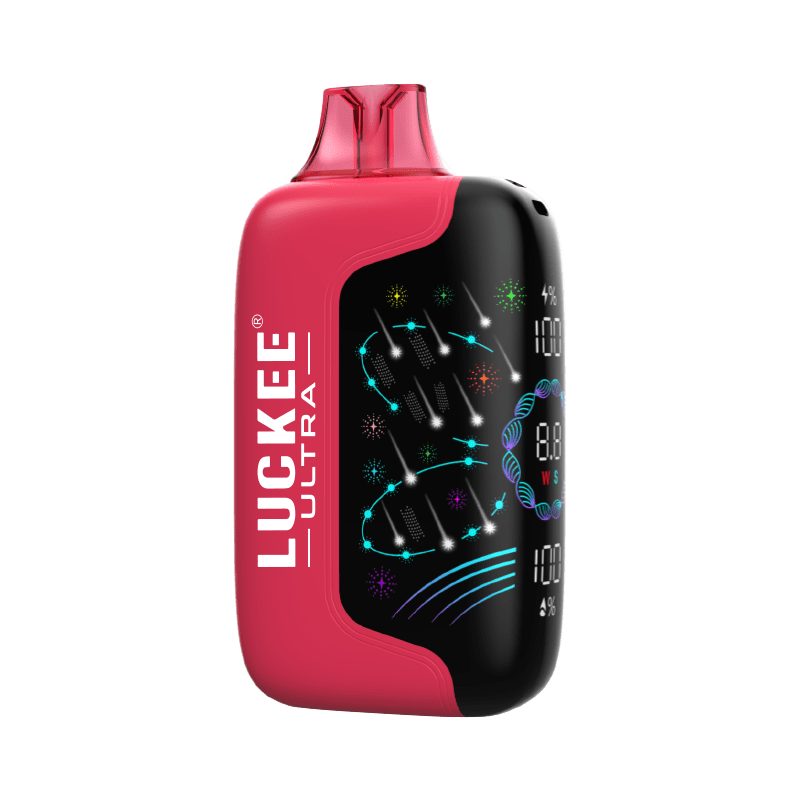
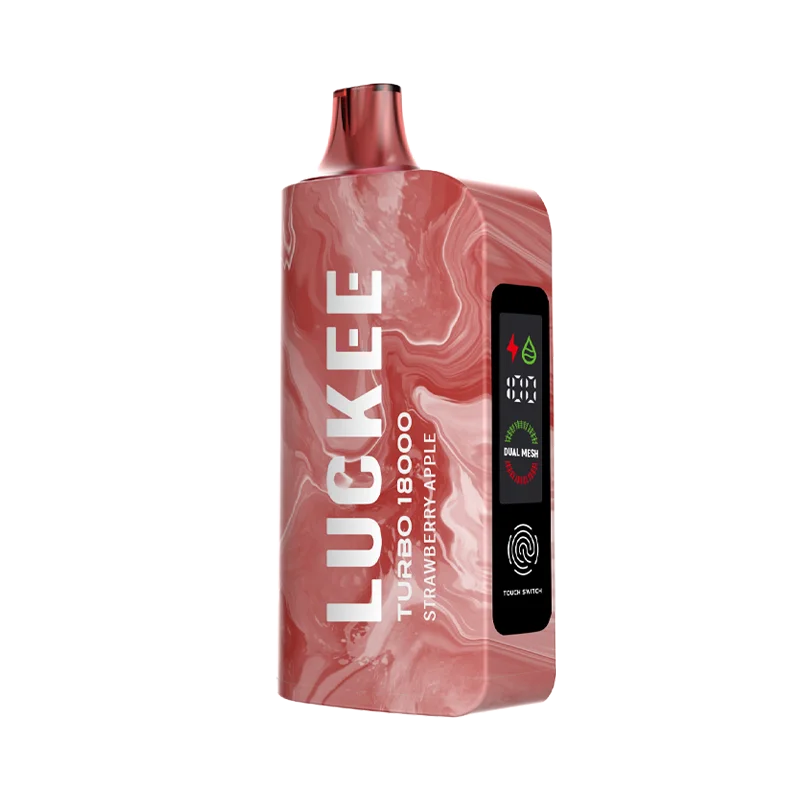
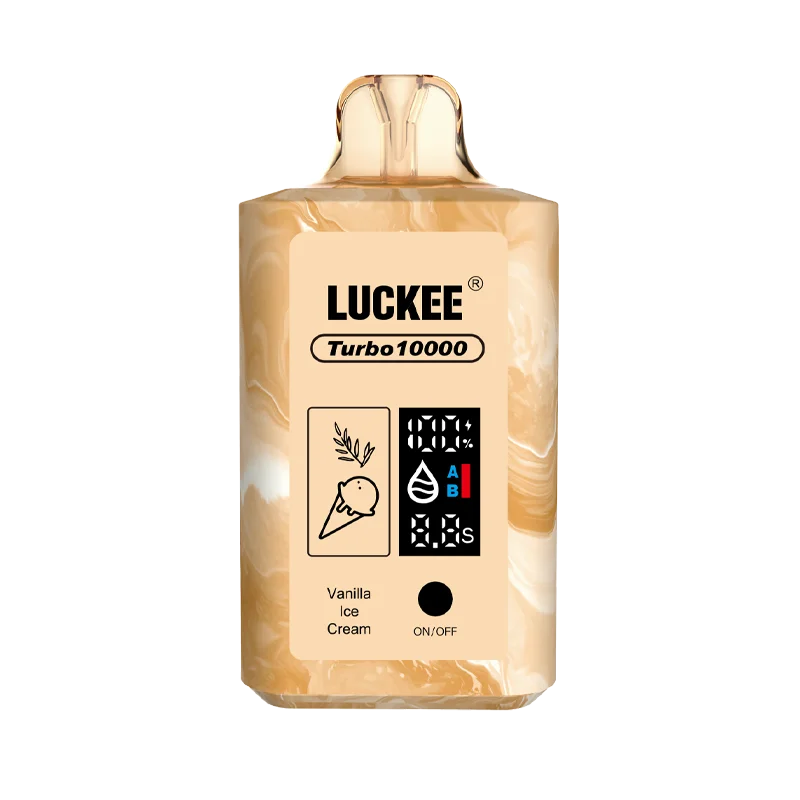
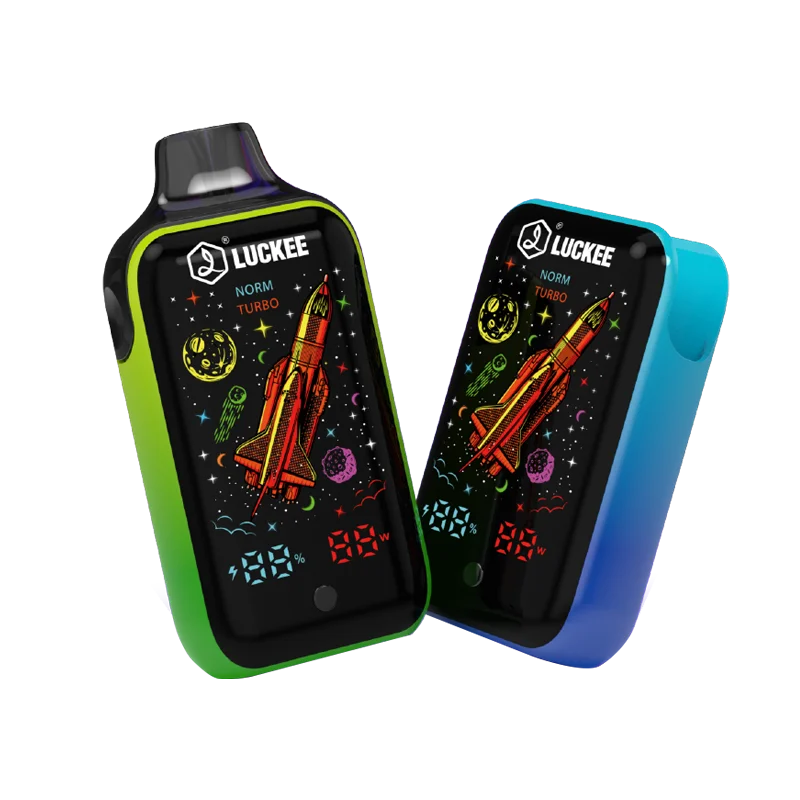
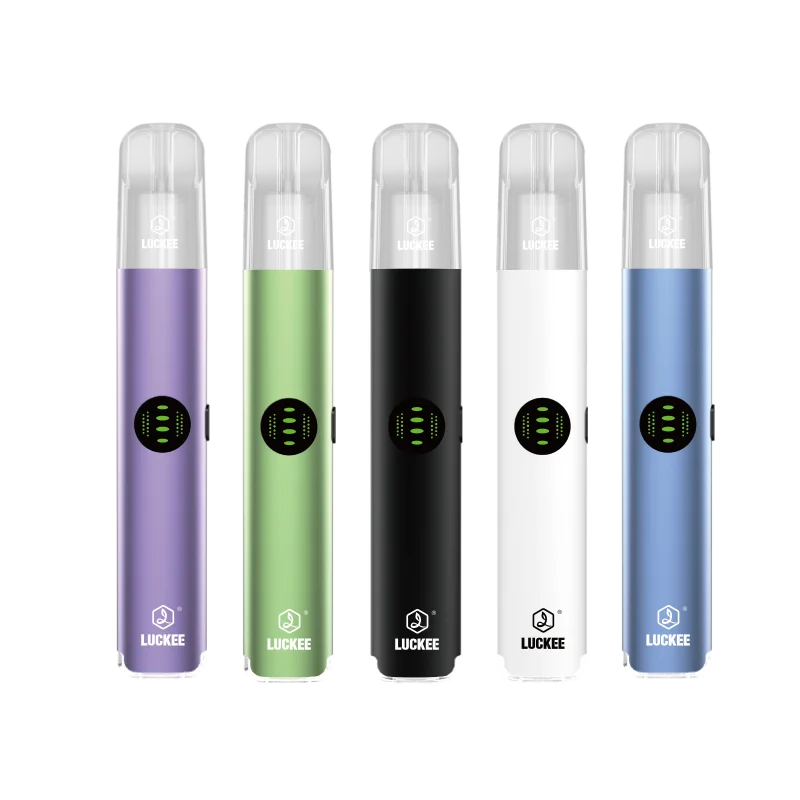
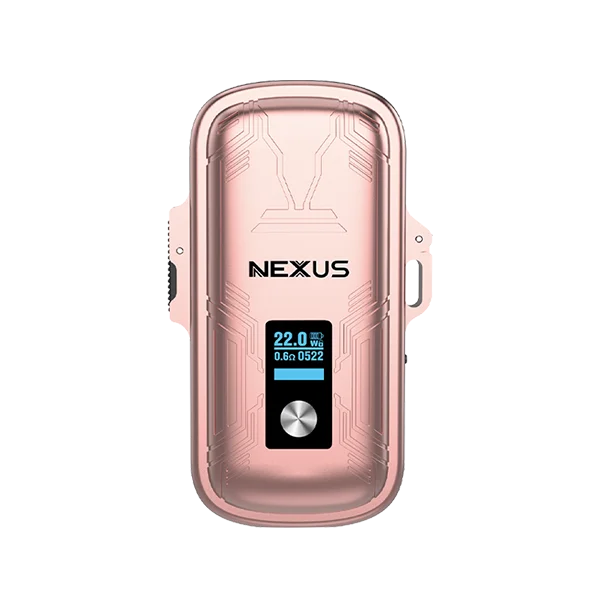
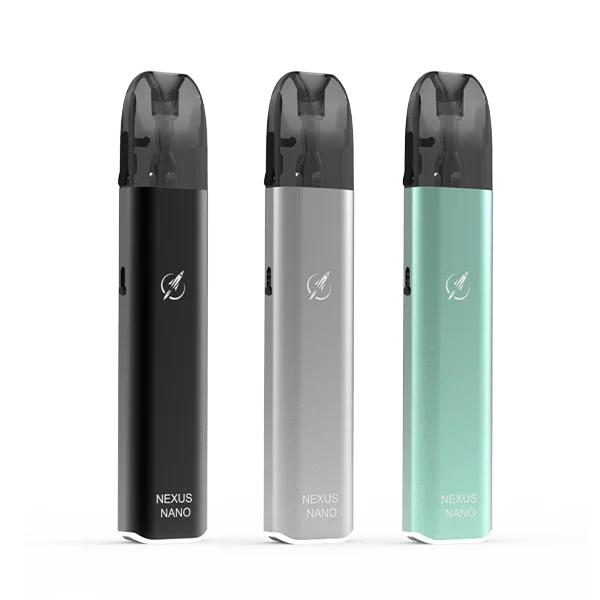

The lowest nicotine vape you can buy is 0mg — a device or e-liquid with no nicotine in it at all. If you still want nicotine in the product, the floor is 3mg per millilitre, usually printed as 0.3%. That is the weakest strength sold commercially in freebase e-liquid.
But the honest answer depends on two things most guides skip: the format you are buying, and the country you are buying it in. In the UK, single-use vapes have been illegal to sell since 1 June 2025, which means “the lowest nicotine disposable” is a question that no longer has a UK answer. What you can still buy is a low-strength refillable or prefilled pod.
What are the actual low nicotine options?
Every strength on a shelf sits on one ladder. The bottom two rungs are the ones that matter here.
| Strength | Percentage | What it actually is | Who it suits |
|---|---|---|---|
| 0mg/mL | 0% | No nicotine — PG, VG and flavourings only | Final step off nicotine, or vaping purely for flavour |
| 3mg/mL | 0.3% | Weakest strength that still contains nicotine (freebase) | Light or social smokers; sub-ohm vapers |
| 5–6mg/mL | 0.5–0.6% | Low freebase, or the bottom of the nic salt range | Around ten cigarettes a day |
| 10mg/mL | 1% | Mid strength; common low end for UK nic salts | Moderate smokers stepping down |
| 20mg/mL | 2% | Legal ceiling in the UK, EU and Canada | Heavy smokers; most disposables ever sold |
Two entries get misread constantly. 0.3% is 3mg per ml, not 0.3mg. And the 5% on US-style packaging is 50mg per ml, not 5mg. Both are covered in the labelling section further down. For the full range above 3mg — including how salt and freebase differ at the same number — see our guide to what nicotine strength actually means.
Is a 0mg vape really nicotine-free?
By definition, yes. A 0mg product contains propylene glycol, vegetable glycerine, flavourings, and sometimes a coolant or sweetener. It contains no nicotine, so there is no nicotine to absorb — the vapour, the flavour and the throat sensation all remain.
What surprises people is the regulatory side. Under the UK’s Tobacco and Related Products Regulations 2016, the three hard limits — 20mg/ml strength, 2ml tank, 10ml bottle — are all written to apply to nicotine-containing liquid. A 0mg product falls outside them entirely. It does not need MHRA notification, and it does not appear on the MHRA product register.
That is not a loophole; it is how shortfills exist. A 100ml bottle of 0mg base is perfectly legal precisely because the 10ml cap only bites on nicotine. But it has one practical consequence. With a nicotine product you can look up the manufacturer’s ingredient and toxicology submission on a public register. With 0mg you cannot — you are relying on the brand’s own disclosure.
What is the lowest strength that still contains nicotine?
3mg/mL (0.3%) freebase is the floor. It is the weakest nicotine e-liquid sold at commercial scale, and it exists because below that the product stops doing its job: the throat hit disappears and there is no satisfaction left to taper from. There is no commercial reason to make 1mg.
Nicotine salt behaves differently. Salt formulations are built for smoothness at higher concentrations, so the range rarely goes below 5mg and most brands start at 10mg. If you specifically want the weakest salt product, 5mg is what to look for, and only a handful of ranges make it. The reason salt and freebase are not interchangeable at the same number is covered in nicotine salt versus freebase.
Why are most vapes 20mg, then?
Because of a cap, not a preference. UK and EU law tops out at 20mg/ml, and early disposables delivered very little liquid per puff — a couple of millilitres stretched across thousands of puffs. To satisfy a heavy smoker, manufacturers built to the ceiling, and one strength per flavour kept the SKU count low.
The UK picture changed on 1 June 2025, when selling single-use vapes became illegal in England and Wales. The ban covers every single-use vape whether or not it contains nicotine, and a device only counts as reusable if it has a rechargeable battery, a refillable container and a replaceable coil. The 20mg product did not disappear — it moved into prefilled and refillable pods, where the strength is the same but the device is legal.
Does a lower strength actually feel weaker?
Not in a straight line, and this is where most people buy the wrong thing. Three variables decide what you get per puff: the concentration on the label, the volume the device vapourises, and how much you absorb.
A 3mg liquid in a high-power sub-ohm device can deliver more nicotine per puff than a 10mg liquid in a low-power pod. That is why sub-ohm vapers routinely use 3mg while pod users use 10–20mg for the same craving. Judge the number against the device, never on its own — the device-by-device version of this is in our guide on choosing the right nicotine strength.
Throat hit is separate again: it comes from nicotine, the PG ratio and flavour — menthol sharpens it, creams mute it. A 0mg liquid feels smoother, not flavourless.
Is a 0mg vape regulated differently?
Yes, on almost every axis except one. This is the comparison that decides what can legally be sold:
| Rule | 0mg product | Nicotine product |
|---|---|---|
| 20mg/ml strength cap | Not applicable | Applies |
| 10ml bottle limit | No — 50/100ml shortfills legal | Applies |
| 2ml tank limit | Not applicable | Applies |
| MHRA notification | Not required | Required |
| Governing law | General Product Safety Regulations | TRPR 2016 |
| UK single-use ban | Applies | Applies |
So a 0mg shortfill skips the strength cap, the bottle cap and the notification register — and then walks straight into the single-use ban like everything else.
Does the UK vape tax apply to 0mg?
Yes, and this is the single most out-of-date piece of advice still circulating. From 1 October 2026, Vaping Products Duty is charged on vaping liquid whether or not it contains nicotine, at a flat £2.20 per 10ml. Nicotine content is irrelevant — only volume counts.
| What you buy | Duty | With VAT |
|---|---|---|
| 2ml prefilled pod | £0.44 | £0.53 |
| 10ml bottle, any strength including 0mg | £2.20 | £2.64 |
| 50ml 0mg shortfill + 1 × 10ml nic shot | £13.20 | £15.84 |
| 100ml 0mg shortfill + 2 × 10ml nic shots | £26.40 | £31.68 |
A 0mg shortfill and a 20mg one pay exactly the same duty — any guide calling zero nicotine the tax-free option is out of date. The mechanics are set out in full in our breakdown of the UK vape tax.
Can you step down to 0mg without going back to cigarettes?
Usually, yes — but not in one jump. The people who fail are the ones who go from 20mg to 0mg in a week and then find the cravings unbearable.
A workable ladder is roughly 20 → 10 → 5 or 3 → 0, holding each step for two to four weeks. Two signs you moved too fast: you start vaping far more often than before, or you buy cigarettes “just in case”. Either means the previous step was the right level for now, not that you failed. At the bottom, the device matters more than the number — a 3mg liquid in a decent refillable pod feels more like smoking than a 0mg liquid in a weak disposable ever will.
Which format actually gives you a low strength?
Format is the constraint people forget. The strength you want may not exist in the product type you want to buy.
| Format | Lowest strength available | Note |
|---|---|---|
| Single-use disposable | 0mg in some markets | Illegal to sell in the UK since 1 June 2025 |
| Prefilled pod system | 0mg pods exist but are rare; usually 10–20mg | Closest legal UK replacement for a disposable |
| Refillable pod | Any strength, including 3mg and 0mg | Most control over both strength and running cost |
| 10ml bottle | 0mg to 20mg | The standard TPD-era format |
| 50/100ml shortfill | 0mg by law | Add a nic shot to reach 3mg or above |
For most people asking this question, a refillable pod plus a 3mg or 0mg bottle is the answer — the only combination that gives a genuinely low strength and still feels like a device worth using. To see what each device is built for, start with the disposable vape range, or check how much nicotine is in a LUCKEE vape by model.
Which labels get read wrong most often?
Five traps account for nearly every mistaken purchase:
| What the label says | What it means | The trap |
|---|---|---|
| 0.3% | 3mg per ml | Read as 0.3mg — out by a factor of ten |
| 5% | 50mg per ml | Read as 5mg — out by a factor of ten |
| “Nicotine-free” | No nicotine added | Not the same as harmless |
| Nic shot 18mg in a 50ml shortfill | Final mix ≈ 3mg | The 18mg is the shot, not the bottle |
| “Low” or “light” | No legal definition | Purely a marketing word |
If you only remember one thing: percentages and milligrams are different scales, and a tenfold error is easy to make in either direction. The same trap exists at the top of the range — our guide to nicotine strength limits shows where each country draws its ceiling, and the FDA authorised list shows which products actually cleared the US route.
FAQ
What is the lowest nicotine vape?
0mg — a vape or e-liquid containing no nicotine at all. If you want nicotine in the product, 3mg per millilitre (0.3%) is the lowest strength sold commercially.
Is 0mg the same as no nicotine?
Yes. 0mg, 0% and “nicotine-free” all mean the same thing: no nicotine in the product. The base is propylene glycol, vegetable glycerine and flavourings.
What is the lowest nicotine disposable vape?
Historically 0mg, with some brands offering 1% or 2% options. In the UK this is now academic: selling single-use vapes has been illegal in England and Wales since 1 June 2025, regardless of nicotine content. In markets where disposables are still sold, 0% and 2% versions exist.
Is 3mg weaker than a cigarette?
Per puff, usually yes — but the comparison depends on the device. A cigarette delivers roughly 1 to 1.5mg of absorbed nicotine, while 3mg e-liquid in a low-power pod delivers considerably less per puff. In a high-power device the gap narrows or reverses.
Can a 0mg vape still be addictive?
Not chemically — there is no nicotine to be addicted to. The behavioural habit can persist, though: the hand-to-mouth ritual, the break, the throat sensation. Many people find they need to address the habit separately from the nicotine.
Is a 0mg vape cheaper than a nicotine one?
Less often than you would expect. Since 1 October 2026 the UK duty is charged per millilitre of liquid regardless of strength, so a 0mg shortfill pays exactly the same £2.20 per 10ml as a 20mg one. Any price difference comes from the product and brand, not from the nicotine.
The Bottom Line
The lowest nicotine vape is 0mg, and the lowest one that still contains nicotine is 3mg/ml. Everything above that is a question of what your device delivers per puff, not of how the number looks on the box.
Two things have changed recently enough that most guides are still wrong about them. In the UK, single-use vapes have been illegal to sell since June 2025 — so the low-strength product you are looking for is now a refillable or prefilled pod, not a disposable. And since October 2026, zero nicotine is no longer the tax-free option: duty is charged by volume, not by strength.
Read the percentage, check the device, and pick the format before the flavour.
This article is general product and regulatory information for adults aged 18 and over. It is not medical advice. Nicotine is addictive; if you are not a smoker, do not start vaping.