
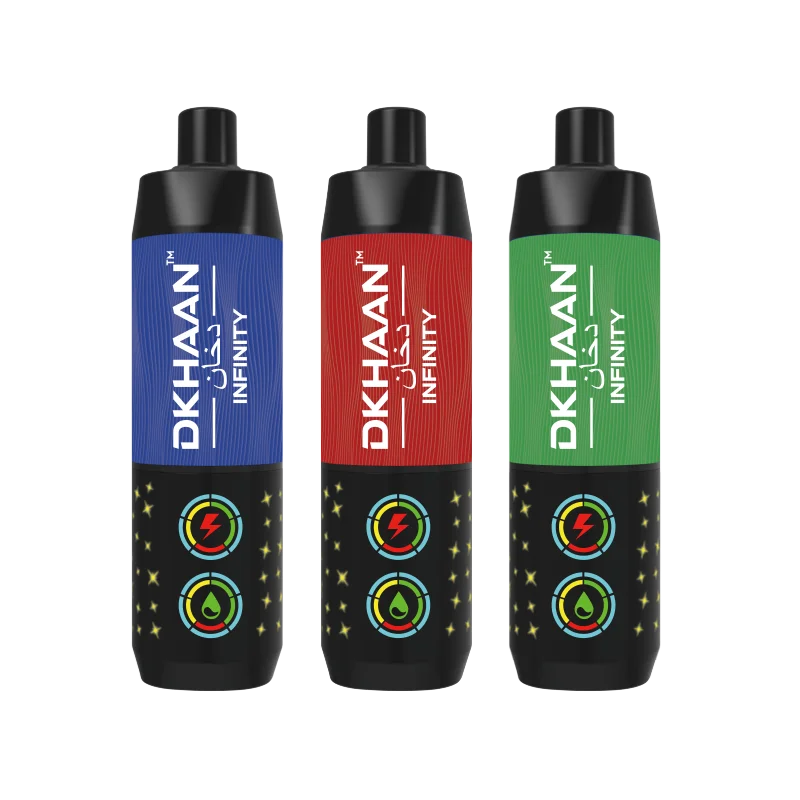
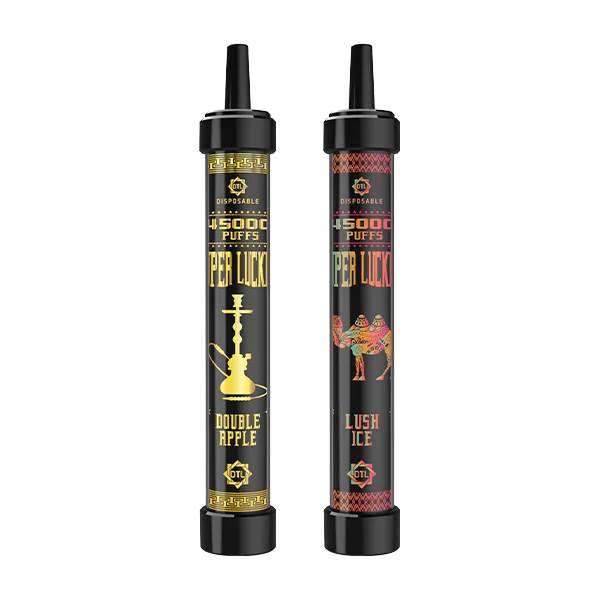


U.S. Vape Retailers Face Card-Processing Risks Over Unauthorized vape Products
U.S. retailers selling vaping products may now face more than FDA warning letters, product seizures or regulatory investigations. New compliance warnings indicate that merchants could also risk substantial financial penalties or lose access to card-processing services if they sell electronic nicotine delivery system products without Food and Drug Administration marketing authorization.
According to a July 3, 2026, Reuters report, payment company Fiserv—through its CardConnect business—and major fuel retailers including BP, Marathon Petroleum and Valero warned U.S. store operators about the sale of unauthorized vaping products.
The development represents an important shift in U.S. vape enforcement. Regulatory pressure is no longer limited to manufacturers, importers and distributors. It is increasingly reaching the payment systems and retail infrastructure that merchants rely on to operate.

What Happened?
Fiserv, CardConnect and several major gas-station operators reportedly sent notices reminding merchants that vaping products sold in the United States must comply with applicable federal, state and local laws.
The warnings focused on electronic nicotine delivery system products that have not received FDA marketing authorization.
According to Reuters:
- CardConnect warned merchants using its services not to sell unauthorized vaping products.
- BP informed branded station operators that Mastercard had begun issuing compliance notices connected to transactions involving unauthorized ENDS products.
- Marathon Petroleum reportedly sent similar warnings to retail operators.
- Valero warned merchants that payment processors could impose significant penalties or terminate card-processing access.
Reuters reported that a June 17 Valero notice said a single violation could potentially result in a fine in the mid-six-figure range.
These reported penalties should not be interpreted as a new fine imposed directly by the FDA. They may arise through payment-network rules, merchant agreements, acquiring-bank requirements or other contractual compliance systems.
Why Card Processing Changes the Enforcement Landscape
Most U.S. retailers depend heavily on credit cards, debit cards and mobile payment methods. Losing access to payment processing can severely disrupt daily business, even if a store is still legally permitted to sell other products.
This creates a new layer of commercial risk.
Previously, a merchant selling unauthorized vapes might have focused primarily on:
- FDA warning letters
- Customs detention or seizure
- Civil monetary penalties
- Product confiscation
- State or local enforcement
- Manufacturer or distributor investigations
Retailers must now consider another possibility: a payment processor, acquiring bank or card network may restrict or terminate their account.
For a gas station or convenience store that sells fuel, food, beverages and other consumer products, losing card-processing access would affect much more than its vape category.
Can Payment Processors Fine Vape Retailers?
Payment companies and card networks can establish merchant rules governing prohibited, restricted or unlawful transactions. These rules are separate from fines imposed by a government agency.
The consequences for a merchant may depend on:
- Its merchant-processing agreement
- The acquiring bank involved
- Card-network operating rules
- The type and frequency of alleged violations
- Whether the merchant received an earlier compliance notice
- Applicable federal and state laws
- The retailer’s response to the notice
Potential consequences may include:
- Compliance investigations
- Transaction monitoring
- Financial penalties
- Reserve requirements
- Delayed settlements
- Higher processing fees
- Account suspension
- Termination of card-processing services
Retailers should review the exact language of any notice they receive. A general warning, a request for corrective action and a formal account-termination notice are not the same thing.
What Makes a Vape Product Unauthorized in the United States?
Under the federal tobacco regulatory framework, a new tobacco product generally must receive a written FDA marketing order before it can be legally marketed in the United States.
For most electronic nicotine delivery system products, this involves the Premarket Tobacco Product Application process, commonly known as PMTA.
A manufacturer submitting a PMTA does not automatically receive permission to market its product. Unless a product is covered by a valid FDA marketing authorization or another legally recognized status, a pending application alone should not be treated as approval.
The FDA states that new tobacco products marketed without the required authorization are considered adulterated and misbranded under the Federal Food, Drug, and Cosmetic Act.
As of July 2026, the FDA lists 45 authorized e-cigarette products. The agency says these are the only e-cigarettes that may currently be lawfully sold in the United States. Because authorizations and enforcement policies can change, retailers should always check the FDA’s current authorized e-cigarette list.
Does a Submitted PMTA Make a Vape Legal to Sell?
Not necessarily.
This is one of the most important distinctions for retailers and distributors.
The following claims do not automatically prove that a product is authorized:
- “PMTA submitted”
- “PMTA accepted”
- “Under FDA review”
- “Registered with the FDA”
- “FDA compliant”
- “Made in an FDA-registered facility”
- “Application pending”
A marketing granted order is different from an application submission or acceptance letter.
Retailers should request product-specific documentation and verify the exact brand, device, flavor, nicotine strength and model against current FDA records. An authorization issued for one product does not necessarily cover other products sold under the same brand.
State Attorneys General Target Payment Networks
The payment-processing warnings follow a broader campaign led by state attorneys general.
On April 28, 2026, New York Attorney General Letitia James announced that a bipartisan coalition of 24 other attorneys general and the City of New York had contacted major payment companies about transactions involving allegedly unlawful vaping products.
The companies contacted included:
- American Express
- Capital One
- Citi
- Mastercard
- Visa
- PayPal
- Stripe
- Block
- Sezzle
The coalition urged these companies to prevent merchants that violate federal, state or local vape laws from using their payment networks. It also requested meetings to discuss stronger transaction controls and merchant-compliance measures. New York Attorney General announcement
This strategy targets the financial infrastructure behind vape sales. Instead of relying only on product-by-product regulatory proceedings, authorities are encouraging private companies to identify or restrict transactions involving potentially unlawful products.
Shopify Has Also Restricted Vape Sales
The pressure has already affected online sales.
On June 23, 2026, California Attorney General Rob Bonta announced that Shopify had decided to ban the sale of all vaping products through its platform. The decision followed requests from a coalition of 25 attorneys general and the City of New York.
The Shopify restriction reportedly covers vaping products broadly, including e-cigarettes, rather than only products lacking FDA authorization. This is a platform policy and should not be confused with an FDA rule banning all online vape sales.
However, the result for affected merchants may be similar: businesses that depend on the platform must find another compliant sales channel or stop offering the products. California Attorney General announcement
FDA Authorizes Four Flavored Glas Products
The enforcement campaign comes as the FDA has also shown that non-tobacco-flavored products can potentially receive authorization when an application satisfies the statutory public-health standard.
On May 5, 2026, the FDA issued marketing granted orders for four Glas electronic nicotine delivery system products. These authorizations increased the total number of FDA-authorized e-cigarettes to 45.
According to the FDA, the products were the first authorized ENDS products described by the agency as having flavors other than tobacco or menthol.
The authorization does not mean flavored vaping products are generally approved. It applies only to the specific products covered by the FDA’s marketing orders.
It also does not mean the products are safe or “FDA approved” in the same way that a prescription medicine may be approved. FDA tobacco marketing authorization means the agency determined that allowing those specific products to be marketed was appropriate for the protection of public health under the applicable legal standard. FDA authorization announcement
What the Warnings Mean for Gas Stations and Convenience Stores
Gas stations and convenience stores are especially exposed because many operate through complex relationships involving:
- Fuel brands
- Franchise or branding agreements
- Independent store operators
- Distributors and wholesalers
- Acquiring banks
- Payment processors
- Card networks
A product may be offered by a distributor and still violate a retailer’s merchant agreement, a fuel-brand policy, state flavor restrictions or federal marketing requirements.
Retailers should not assume that a product is lawful simply because it is:
- Available from a U.S. warehouse
- Listed by a domestic wholesaler
- Sold by nearby stores
- Equipped with an age-warning label
- Accompanied by a PMTA submission statement
- Able to pass through a distributor’s ordering system
The retailer may still be responsible for checking whether the product can legally be sold in its location.
Five Compliance Steps for U.S. Vape Retailers
1. Audit Every Vape SKU
Create a complete inventory of all vaping products currently offered for sale.
Record:
- Manufacturer
- Brand
- Product name
- Model
- Flavor
- Nicotine concentration
- Universal product code
- Supplier
- Purchase date
- FDA authorization status
Do not audit only the brand name. FDA authorization is product-specific.
2. Compare Products With the FDA List
Check each product against the FDA’s current authorized ENDS database.
If a supplier claims that a product is authorized, request the exact marketing granted order and confirm that the order covers the specific item being sold.
3. Review State and Local Restrictions
FDA authorization does not override state or local law.
A federally authorized product may still be restricted by:
- State flavor bans
- Local licensing rules
- Tobacco-retailer registration requirements
- Product-directory laws
- Packaging requirements
- Excise-tax rules
- Online sales restrictions
Retailers must satisfy every applicable level of regulation.
4. Review Payment-Processing Agreements
Merchants should examine the restricted-products and compliance sections of their payment-processing agreements.
Important questions include:
- Does the processor classify vape sales as high-risk?
- Is prior approval required?
- What documents must the merchant maintain?
- Are online and in-store vape transactions treated differently?
- What happens after a compliance notice?
- Is there a remediation or appeal process?
5. Document Supplier Verification
Keep invoices, authorization documents, product photographs and written supplier statements.
Documentation cannot make an unauthorized product legal, but it can help demonstrate the retailer’s compliance process and identify the responsible supply-chain partner if questions arise.
What This Means for Vape Manufacturers and Distributors
The consequences extend beyond retail stores.
Manufacturers and distributors selling to the U.S. market should expect buyers to demand stronger verification, including:
- Product-specific FDA status
- Marketing-order documentation
- Accurate SKU lists
- State-directory status
- Ingredient and labeling records
- Supply-chain traceability
- Written compliance warranties
- Product recall procedures
Broad phrases such as “PMTA ready” or “FDA registered” are unlikely to satisfy sophisticated buyers, payment processors or regulators.
Companies should also avoid presenting FDA tobacco marketing authorization as a general safety endorsement. Misleading compliance claims can create additional regulatory and commercial risk.
Frequently Asked Questions
Can a retailer lose card processing for selling unauthorized vapes?
Yes, depending on the processor’s rules and merchant agreement. Recent notices reportedly warned that unauthorized sales could lead to penalties, corrective action or termination of processing services.
Can Mastercard or Visa directly close a merchant account?
Card networks establish operating and compliance rules, but merchant accounts typically also involve acquiring banks and payment processors. The specific action and responsible party depend on the payment arrangement.
Are only 45 e-cigarettes legal to sell in the United States?
As of July 2026, the FDA states that 45 e-cigarette products are authorized and are the only e-cigarettes that may currently be lawfully sold in the United States. Retailers should verify the list regularly because it can change.
Is a pending PMTA enough to continue selling a vape?
A pending or submitted PMTA does not, by itself, equal FDA marketing authorization. Retailers should verify whether the specific product has received a marketing granted order.
Are all flavored vapes unauthorized?
Not all of them. In May 2026, the FDA authorized four Glas products described as having flavors other than tobacco or menthol. Authorization is product-specific and does not apply to flavored vapes generally.
Did the FDA ban all online vape sales?
No. However, federal law places substantial requirements on online ENDS sales, and individual platforms or payment providers can impose stricter rules. Shopify announced a platform-wide ban on vaping-product sales in June 2026.
Final Takeaway
Unauthorized vape sales have become both a regulatory risk and a payment-infrastructure risk.
FDA enforcement, state investigations and customs actions remain important, but retailers must now also consider whether selling a particular product could violate card-network rules, payment-processing agreements or fuel-brand policies.
For gas stations and convenience stores, the consequences could extend well beyond the vape shelf. A terminated merchant account could affect nearly every part of the business.
Retailers should immediately audit their inventory, verify each product against current FDA records, review state laws and examine their payment-processing agreements. Manufacturers and distributors should prepare to provide product-specific evidence instead of relying on general PMTA or FDA-compliance claims.
Compliance disclaimer: This article is provided for general informational purposes and does not constitute legal advice. Businesses should consult qualified U.S. legal counsel regarding federal, state and local tobacco laws.