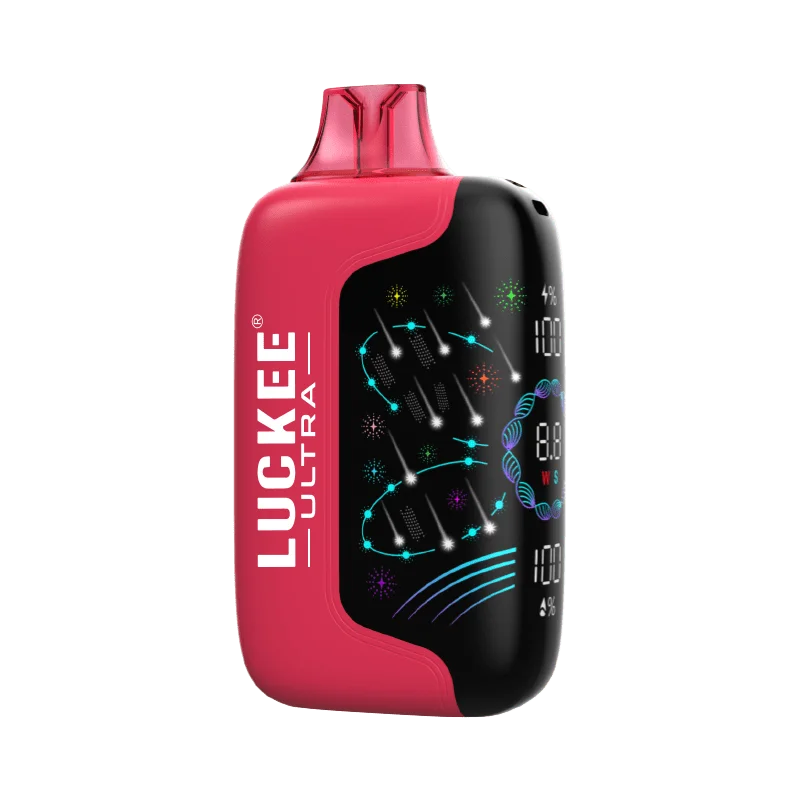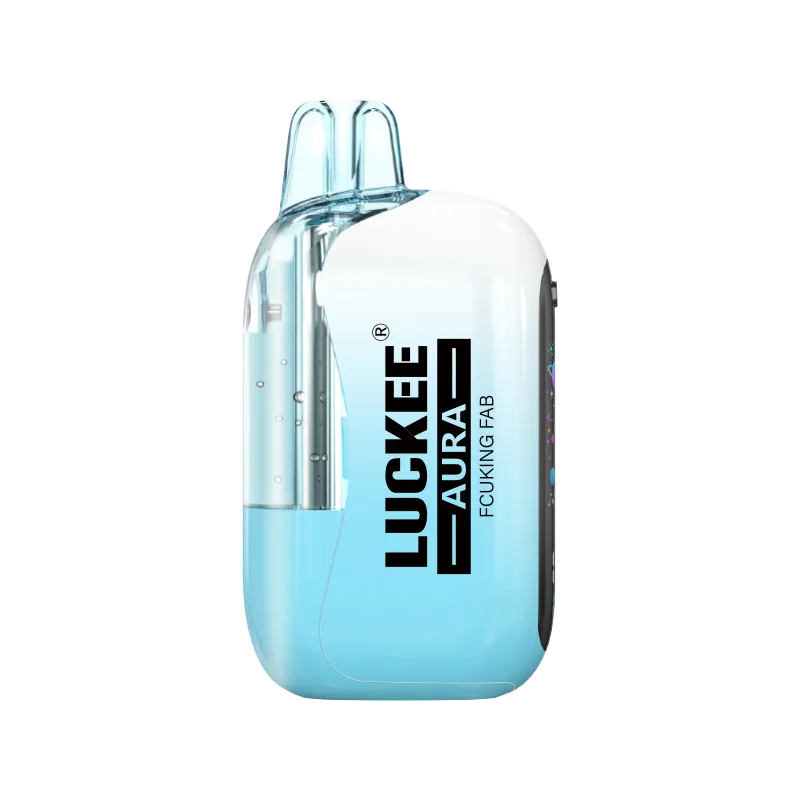
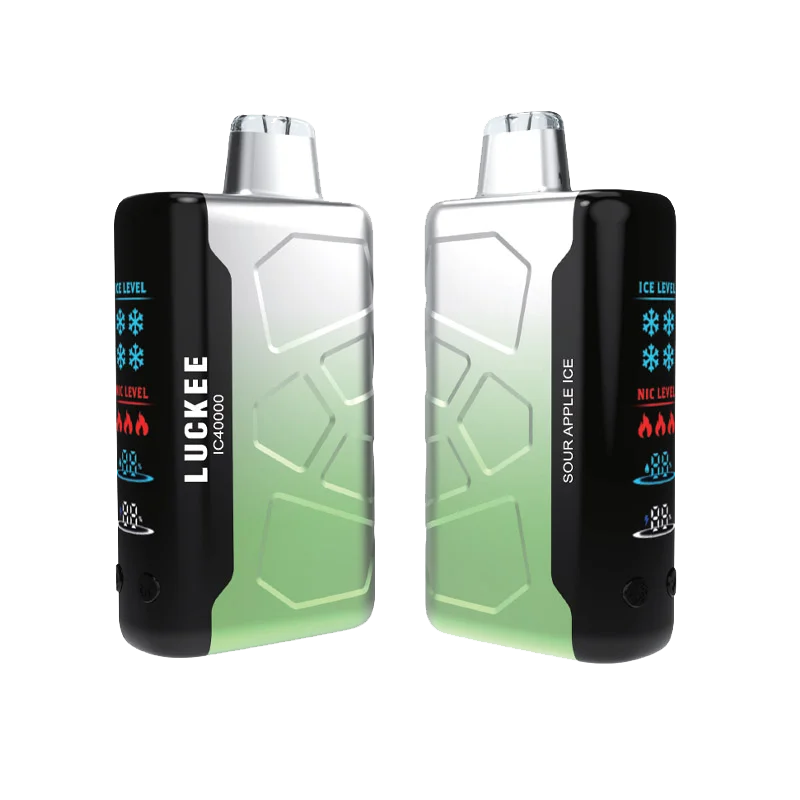
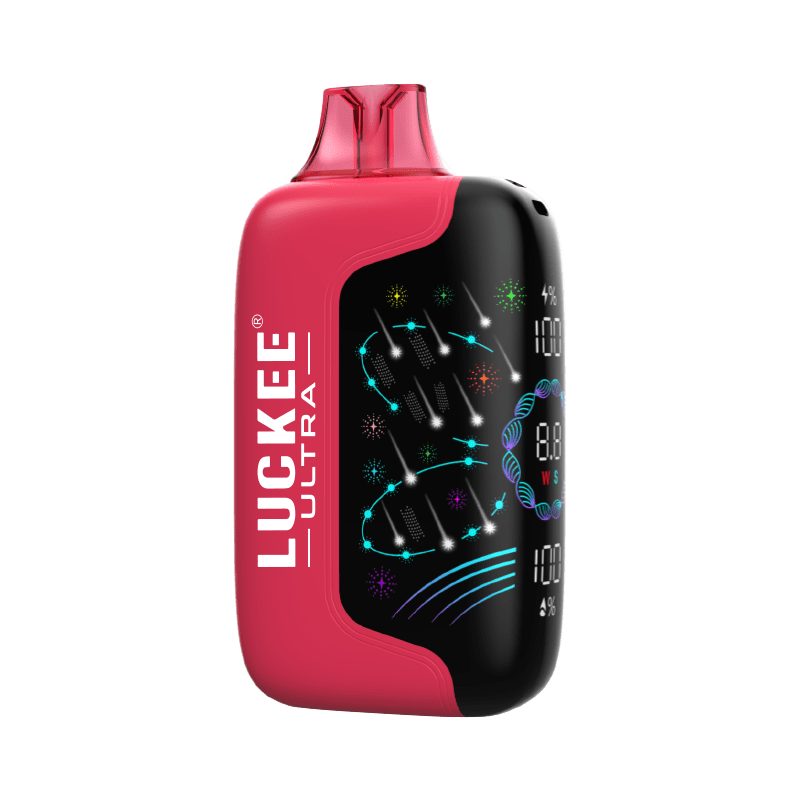
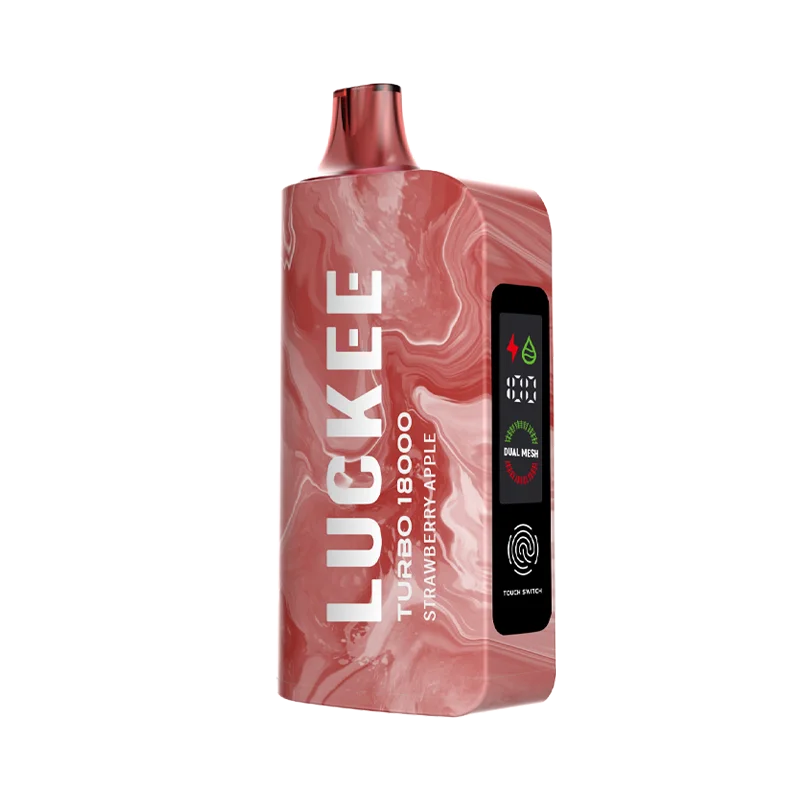
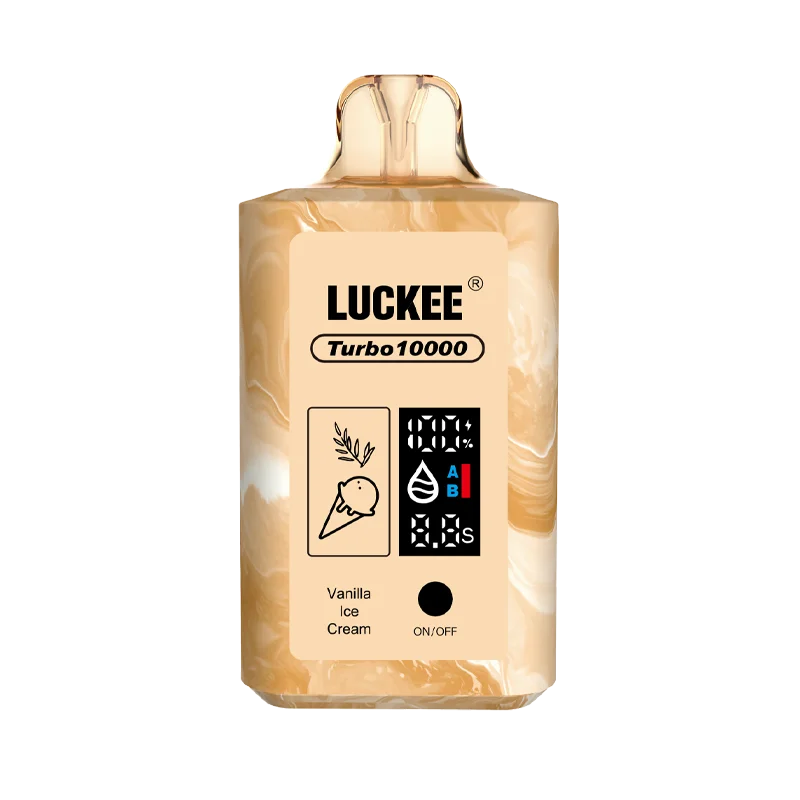
The Middle East and North Africa are not one vape market — they are at least three, running on different rulebooks. The Gulf states (UAE, Saudi Arabia, Kuwait, Qatar) are legal, heavily taxed and certification-driven. Egypt is legal, taxed by the millilitre and registration-driven, with the lowest entry friction in the region. North Africa’s three biggest markets — Morocco, Algeria and Tunisia — are open with little or no product-specific law, though Morocco has just changed that. If you are buying for wholesale in 2026, the country you pick matters more than the supplier you pick: the same shipment that sails through an Egyptian port can be rejected, or cost double, at a Gulf one.
This guide maps the whole region: which markets are open, what each costs in tax and paperwork, what changed in the last twelve months, and how to choose a supplier who can support MENA compliance. Country-level detail lives in our dedicated guides — this page is the map.

Which MENA markets are actually open for vape wholesale in 2026?
Here is the honest overview, current as of October 2026:
| Market | Legal status | Core cost / tax | Key gate |
|---|---|---|---|
| UAE | Legal, 21+ | 100% excise + 5% VAT; AED 1/mL minimum excise base on e-liquid (from Sep 2026) | ECAS certification + SABER registration + digital tax stamps |
| Saudi Arabia | Legal, regulated | 100% excise on a base set by the highest of three prices | SFDA/SASO technical regulations + ZATCA excise registration |
| Kuwait & Qatar | Legal, GCC rules apply | GCC-aligned excise regimes | Per-market registration; see our Kuwait & Qatar market guide |
| Egypt | Legal since 2022 | EGP 2/mL e-liquid excise + 14% VAT + 10% health levy | Standards registration (ES series) via GOEIC |
| Morocco | Legal, standards from Feb 2026 | No excise system yet | New mandatory IMANOR standard applies to all imports |
| Algeria | Legal (regulated as tobacco) | Standard tobacco framework | Law 18-11 compliance; no dedicated vape regime |
| Tunisia | Legal, grey area | No specific law | State tobacco monopoly (RNTA) context; labelling expected |
Two things jump out of that table. First, the Gulf’s barrier is money — the UAE and Saudi Arabia both tax vape products at 100% of a government-influenced base, and both demand per-product certification. Second, Egypt’s barrier is documentation — the per-millilitre tax is modest, but nothing clears customs without standards registration. North Africa is the opposite of the Gulf: low formal barriers, but thin legal infrastructure, which cuts both ways.
What changed in the Gulf?
If your MENA pricing model was built before late 2025, it is out of date. Three changes matter.
First, the UAE: Cabinet Decision No. 197 of 2025 replaced the 2019 excise rules on 1 January 2026 — the 100% rate stayed, the compliance machinery tightened. Then the Ministry of Finance quietly killed the low-price strategy: from 1 September 2026, e-liquid is taxed on a minimum AED 1 per millilitre, regardless of what you actually charge for it.
| E-liquid volume | Minimum excise base | Minimum excise at 100% |
|---|---|---|
| 10 mL | AED 10 | AED 10 |
| 30 mL | AED 30 | AED 30 |
| 50 mL | AED 50 | AED 50 |
On top of that sit 5% VAT (calculated on the excise-inclusive price) and the standing ECAS certification requirement, with testing at accredited labs and per-SKU conformity costs our UAE wholesale guide details.
Second, Saudi Arabia changed where vapes can be sold. Since June 2025, convenience stores (baqalas), kiosks and mini-markets are banned from selling tobacco and vaping products — only supermarkets of at least 100 square metres and hypermarkets of 500-plus qualify, with a six-month sell-through for existing stock. The effect on wholesale ordering is direct: your Saudi customer base has consolidated into fewer, larger retail accounts, and the ZATCA excise amendments effective 1 January 2026 set the tax base at the highest of the declared retail price, ZATCA’s reference price, or the unified GCC standard price.
Third, flavours: Saudi technical regulations prohibit cocoa, vanilla, coffee, tea, spice, candy, gum, cola and alcohol-style flavours — fruit, mint and their combinations are what clear review. If your flavour menu is dessert-heavy, that is a Saudi-specific problem.
Is Egypt still the easiest regulated entry point?
Yes — with one new wrinkle. Egypt legalised vape import and sale in 2022, taxes e-liquid at EGP 2 per millilitre (nicotine and nicotine-free alike), applies 14% VAT to devices and disposables, and deducts a 10% health insurance levy per retail unit. There is no per-SKU fee regime like the Gulf’s; products must be registered against the Egyptian standards (ES 8205-1, ES 8685, ES 8724) and imports clear through GOEIC. Our Egypt vape market guide covers that machinery in detail.
The wrinkle: in September 2026, Egypt adopted a partial amendment to ES 8205-1 under Ministerial Decree No. 209/2026, capping the liquid in a single-use cartridge and the integrated e-liquid container at 20 mL, with a six-month transitional period for producers and importers. In practice, the mega-capacity disposable race hits a ceiling in Egypt — hardware built around 25–40 mL reservoirs will need local-market variants after the transition. If you are quoting high-puff devices into Egypt, raise the 20 mL constraint now, not after the shipment lands.
For the traveller-side picture — what you can carry, where you can vape in Cairo — that is a different guide with a different answer.
What about North Africa — Morocco, Algeria, Tunisia?
This is the part of the map almost nobody covers, and the rules are genuinely different in each country.
| Market | Rulebook | What it means for buyers |
|---|---|---|
| Morocco | Mandatory IMANOR standard from Feb 2026 | Composition, labelling (manufacturer, ingredients, origin, production date), traceability and safety requirements apply to imports — Morocco produces none of this domestically |
| Algeria | Law 18-11 (2018) treats nicotine vapes as tobacco products | Legal for adults; sales-to-minors warning required on packaging; advertising restricted; no dedicated vape regime beyond that |
| Tunisia | No specific vape law; state tobacco monopoly context | Legally sold, health warnings applied, 18+ enforced by vendors — a genuine grey market with thin paper trails |
Morocco is the one to watch: until February 2026 it had no product-specific rules at all, and the new IMANOR standard is the region’s first move to formalise an informal market. Algeria is the quiet volume story — a large population, vaping legal under general tobacco law, none of the Gulf’s per-SKU costs. Tunisia is the most informal of the three: fine for small trial orders, punishing for anyone expecting TPD-style documentation.
None of these markets has the Gulf’s tax wall. That is the opportunity and the warning at once: margins are fatter, but the legal rails are thinner, and enforcement practices can shift faster than published law.
What changed across MENA in the last twelve months?
If you last priced the region before late 2025, this is the delta:
| When | Market | Change |
|---|---|---|
| Jun 2025 | Saudi Arabia | Convenience stores, kiosks and mini-markets banned from selling vapes; only 100㎡+ supermarkets and 500㎡+ hypermarkets may |
| Jan 2026 | UAE | Cabinet Decision No. 197 of 2025 replaces the 2019 excise rules (100% rate unchanged) |
| Jan 2026 | Saudi Arabia | ZATCA excise amendments: tax base = highest of declared RSP, reference RSP or GCC standard price |
| Feb 2026 | Morocco | First mandatory product standard for vapes (IMANOR), applied to all imports |
| Sep 2026 | UAE | Minimum excise price of AED 1/mL on e-liquid takes effect |
| Sep 2026 | Egypt | ES 8205-1 amendment: 20 mL cap on single-use cartridges and integrated containers, six-month transition |
Six regulatory moves in fifteen months, published mostly in Arabic and French — the buyers who track them keep winning shelf space from the ones who do not.
What actually sells across MENA?
Across the region, two patterns hold. Cooling sells: ice and menthol profiles dominate best-seller lists in hot-climate markets, which is why our ice flavour roundup and the UAE mint deep-dive both skew toward cooling lines. And the Gulf is fruit-and-mint territory by law — Saudi Arabia’s flavour restrictions effectively define the legal menu, while Egypt and North Africa remain more permissive on paper.
Hardware-wise, note the divergence: Gulf markets tolerate large-capacity devices within their certification frameworks, but Egypt’s new 20 mL cap will split the SKU matrix — a range built for the Gulf may need an Egypt-specific configuration. One factory conversation about pod volumes now saves a redesign later.
How do you choose a supplier for MENA orders?
MENA punishes suppliers who treat it like any other export market. Beyond the usual factory checks, the region-specific questions are:
| What to demand | Why it matters in MENA | Red flag |
|---|---|---|
| Arabic + English labelling capability | UAE requires 50% of packaging as bilingual health warning; Egypt’s ES standards specify Arabic labelling | “We print labels after you approve artwork” with no Arabic typesetting experience |
| Standards registration support | Egypt: ES 8205-1 / 8685 / 8724 registration and GOEIC paperwork; UAE: ECAS + SABER files | Supplier who has never shipped to your target country |
| Tax structure awareness | UAE minimum excise base (AED 1/mL), Saudi three-way tax base rule | Quotes that ignore excise-inclusive pricing entirely |
| Emissions & toxicology documents | The most common reason consignments sit at Egyptian customs | Cannot produce test reports from accredited labs |
| Format flexibility | Egypt’s 20 mL cap on cartridges and integrated containers | Single fixed hardware platform, no localisation |
The supplier side of this equation — how to audit a factory, what to verify before wiring money — is the same everywhere, and our Shenzhen factory guide walks through it. The MENA-specific layer is documentation: factories already serving Gulf distributors hold ECAS test reports and Arabic artwork templates; the ones that do not will learn on your shipment.
FAQ
Is vape wholesale legal in the Middle East?
Yes, in the major markets — UAE, Saudi Arabia, Kuwait, Qatar and Egypt all allow legal import and sale of nicotine vapes under licensing and registration regimes. The restrictions come as taxation (100% excise in the Gulf), certification (ECAS in the UAE, SFDA/SASO in Saudi Arabia, ES standards in Egypt) and channel rules, not prohibition. Online sales are banned in the UAE.
Which MENA market is easiest to enter?
Egypt, on friction: standards registration rather than per-SKU fees, a modest per-millilitre tax, and a documented import process through GOEIC. The UAE is the most demanding — 100% excise, ECAS certification, digital tax stamps and a minimum excise price on e-liquid from September 2026. North Africa has the lowest formal barriers but the thinnest legal infrastructure.
How much is the vape tax in the UAE, Saudi Arabia and Egypt?
UAE: 100% excise on devices and e-liquid plus 5% VAT, with a AED 1/mL minimum excise base on e-liquid from 1 September 2026. Saudi Arabia: 100% excise, the base set at the highest of the declared retail price, ZATCA’s reference price or the GCC standard price. Egypt: EGP 2 per mL of e-liquid, 14% VAT on devices and disposables, and a 10% health insurance levy per retail unit.
Can I still sell high-capacity disposables in the region?
In the Gulf, yes within certification limits — the UAE caps nicotine at 20 mg/mL and pod volumes under its GSO standard. Egypt is the change: from the September 2026 amendment, single-use cartridges and integrated containers are capped at 20 mL with a six-month transition, which effectively ends the largest-capacity formats in that market.
Is North Africa worth adding to a wholesale range?
It depends on your risk appetite. Morocco now has a mandatory import standard (from February 2026), Algeria has clear tobacco-law cover for vaping products, and Tunisia remains a genuine grey market. None has the Gulf’s tax wall, so landed costs are lower — but you are building on thinner legal rails, and labelling and age-gating compliance are your responsibility, not the enforcer’s.
Do I need different products for different MENA markets?
Increasingly, yes. Saudi flavour restrictions, the UAE’s certification and pricing floors, and Egypt’s 20 mL cap mean one regional SKU no longer fits all. The cheapest structure is a core range plus market-specific configurations — and the time to raise that with your factory is before the order, not after the first customs hold.
So — where should your first MENA shipment go? If you want the lowest-friction regulated entry, Egypt remains the answer — just quote it with the 20 mL rule in mind. If you want the biggest retail market and can carry the tax and certification load, the Gulf pays for its own complexity: Gulf customers have consolidated into larger accounts, and wholesale demand in this region converts at the highest rate on our site. And if you want to move before the crowd, North Africa is opening on its own schedule. The region rewards buyers who match the market to the rulebook, not the other way round.
For the country deep-dives, start with our Egypt import guide and the UAE & Saudi wholesale guide — and if you are still choosing a factory partner, our Shenzhen factory guide covers the audit that has to happen before any of this matters.
Regulatory and tax figures current as of October 2026 and subject to change; verify with the relevant authority before pricing orders. This guide is for wholesale and sourcing information only.