

Nicotine Vape vs CBD Vape: Key Differences, Effects, Flavors & Uses in 2026
The vaping industry continues to expand in 2026, with consumers showing increasing interest in different types of vape products.
Among the most commonly compared categories are:
- Nicotine vapes
- CBD vapes
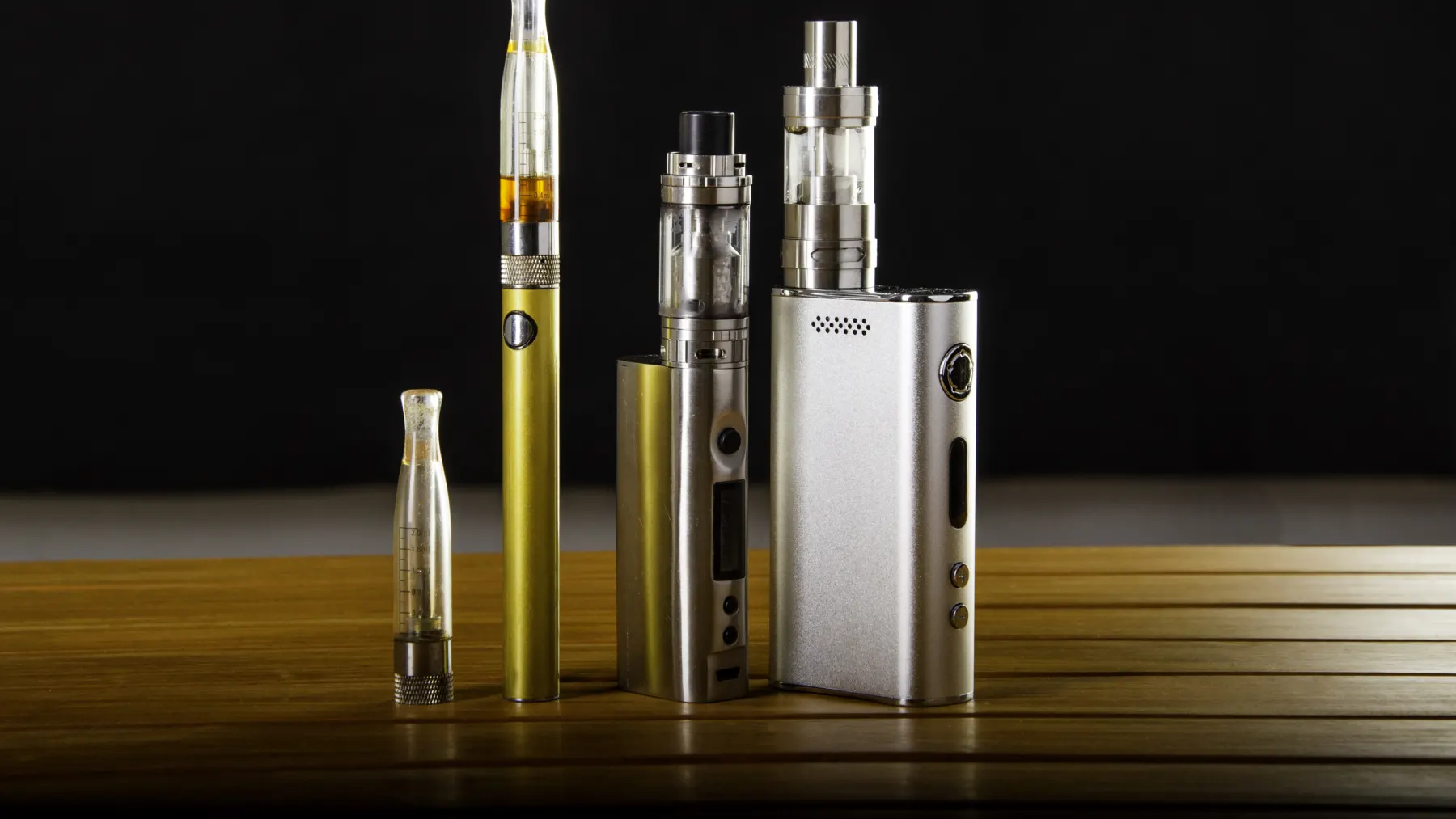
Although both products use similar hardware designs, such as disposable devices, cartridges, and pod systems, they serve completely different purposes.
The biggest difference is not the device itself — it is the active ingredient inside.
Nicotine vapes are primarily associated with nicotine consumption and smoking alternatives, while CBD vapes are designed around cannabinoid-based products.
This guide explains the differences between nicotine vape vs CBD vape, including:
- Effects
- Ingredients
- Flavor profiles
- User groups
- Regulations
- Market trends
Table of Contents
- What Is the Difference Between Nicotine Vape and CBD Vape?
- How Nicotine Vape Works
- How CBD Vape Works
- Nicotine Vape vs CBD Vape Effects Comparison
- Flavor Differences Between Nicotine and CBD Vape
- Ingredients Comparison
- Who Uses Nicotine Vape vs CBD Vape?
- Regulatory Differences
- Which Vape Product Is Right for Different Consumers?
- FAQ
- Final Thoughts
1. What Is the Difference Between Nicotine Vape and CBD Vape?
The main difference between nicotine vape and CBD vape is the active compound used in the e-liquid or cartridge.
| Category | Nicotine Vape | CBD Vape |
|---|---|---|
| Main Ingredient | Nicotine | Cannabidiol (CBD) |
| Primary Purpose | Nicotine consumption | CBD consumption |
| Common Users | Adult nicotine users | CBD consumers |
| Common Flavors | Fruit, mint, tobacco, dessert | Herbal, botanical, fruit blends |
| Regulation | Tobacco product regulations in many markets | Hemp/cannabinoid regulations vary by region |
While the hardware may look similar, the user experience and market positioning are very different.
2. How Nicotine Vape Works
Nicotine vape products deliver nicotine through an aerosol created by heating e-liquid.
Common nicotine vape ingredients include:
Propylene Glycol (PG)
PG helps carry flavor and provides a stronger throat sensation.
Vegetable Glycerin (VG)
VG creates vapor production and a smoother inhale experience.
Nicotine
Nicotine may appear in different forms:
- Freebase nicotine
- Nicotine salts
Nicotine salt technology has become popular because it allows higher nicotine concentrations with a smoother experience.
Why Consumers Choose Nicotine Vapes
Many adult users choose nicotine vapes because they offer:
- A cigarette alternative
- More flavor choices
- Portable designs
- Adjustable nicotine levels
Modern nicotine vape devices include:
- Disposable vapes
- Pod systems
- Rechargeable devices
- High-capacity vape systems
3. How CBD Vape Works
CBD vape products use cannabidiol extracted from hemp plants.
CBD products may contain different formulations:
Full-Spectrum CBD
Contains multiple naturally occurring hemp compounds.
Broad-Spectrum CBD
Contains multiple cannabinoids but typically removes THC.
CBD Isolate
Contains only purified CBD.
CBD vape products are usually positioned around wellness and lifestyle markets rather than nicotine consumption.
4. Nicotine Vape vs CBD Vape Effects Comparison
The experience of nicotine vape and CBD vape can be very different.
Nicotine Vape Experience
Nicotine is a stimulant compound.
Users commonly report:
- Increased alertness
- A noticeable nicotine sensation
- Satisfaction for existing nicotine users
Nicotine also has dependence potential, which is why responsible use and age restrictions are important.
CBD Vape Experience
CBD does not produce the same stimulant effect as nicotine.
CBD users typically choose these products because of:
- Personal wellness preferences
- Relaxation routines
- Lifestyle choices
The experience depends on:
- Product formulation
- Individual response
- Dosage
- Product quality
5. Flavor Differences Between Nicotine and CBD Vape
Flavor is one of the biggest differences between these two categories.
Nicotine Vape Flavors
Nicotine vape manufacturers typically focus on wide flavor variety.
Popular categories include:
Fruit Flavors
Examples:
- Strawberry
- Watermelon
- Mango
- Blueberry
Ice & Menthol Flavors
Examples:
- Mint
- Cool ice
- Menthol blends
Dessert Flavors
Examples:
- Candy
- Cream
- Beverage-inspired flavors
Tobacco Flavors
Designed for consumers who prefer traditional tobacco profiles.
CBD Vape Flavors
CBD vape products often use more natural flavor directions.
Common profiles include:
Botanical Flavors
Examples:
- Hemp
- Herbal blends
- Plant-based notes
Fruit Botanical Blends
Examples:
- Berry mint
- Citrus herbal
- Botanical fruit combinations
Compared with nicotine vape products, CBD flavors usually focus more on natural positioning.
6. Ingredients Comparison
Nicotine Vape Ingredients
Typical formulation:
- PG
- VG
- Nicotine
- Flavor compounds
- Water (in some formulations)
The goal is usually:
- Flavor delivery
- Vapor production
- Consistent nicotine experience
CBD Vape Ingredients
Typical CBD vape formulation includes:
- CBD extract
- Carrier ingredients
- Terpenes
- Natural flavors
Quality control is especially important because cannabinoid products require accurate ingredient testing.
7. Who Uses Nicotine Vape vs CBD Vape?
Understanding customer groups helps manufacturers and retailers develop better products.
Typical Nicotine Vape Users
Common users include:
- Adult smokers exploring alternatives
- Existing nicotine users
- Consumers who prefer flavored vape products
- Users looking for portable devices
Retail demand is often driven by:
- Brand recognition
- Flavor variety
- Device performance
Typical CBD Vape Users
CBD vape consumers often include:
- Wellness-focused customers
- CBD product users
- Consumers interested in cannabinoid products
Their purchasing decisions are often influenced by:
- Ingredient transparency
- Product testing
- Brand trust
8. Regulatory Differences
One of the biggest differences between nicotine and CBD vape products is regulation.
Nicotine Vape Regulations
Nicotine vape products are generally regulated under tobacco product frameworks.
Requirements may include:
- Product registration
- Packaging requirements
- Health warnings
- Manufacturing standards
Examples:
- FDA regulations in the US
- TPD regulations in Europe
- MHRA requirements in the UK
CBD Vape Regulations
CBD vape regulations vary significantly by country.
Important factors include:
- CBD source
- THC limits
- Testing requirements
- Local cannabinoid laws
Manufacturers must carefully evaluate each target market before exporting.
9. Which Vape Product Is Right for Different Consumers?
There is no universal answer because nicotine vape and CBD vape serve different purposes.
Nicotine Vape May Suit:
- Adult nicotine users
- Smokers looking for alternatives
- Consumers interested in disposable and pod systems
CBD Vape May Suit:
- CBD consumers
- Wellness-focused customers
- Users interested in cannabinoid products
The key difference:
Nicotine vape focuses on nicotine delivery.
CBD vape focuses on cannabinoid consumption.
10. Frequently Asked Questions
Is CBD vape the same as nicotine vape?
No. CBD vape contains cannabidiol, while nicotine vape contains nicotine. They have different ingredients, purposes, and regulations.
Can you put CBD oil in a nicotine vape?
No. CBD oils designed for oral use are not the same as vape-compatible CBD products. Only products specifically designed for vaping should be used in vape devices.
Which is more popular, nicotine vape or CBD vape?
Nicotine vape currently has a much larger global consumer base, while CBD vape continues growing in markets where cannabinoid products are permitted.
Are nicotine vape and CBD vape regulated differently?
Yes. Nicotine products are usually regulated as tobacco products, while CBD products follow hemp and cannabinoid regulations.
Can vape manufacturers produce both nicotine and CBD devices?
Some manufacturers produce hardware compatible with different formulations, but each product category requires different compliance, testing, and market strategies.
Final Thoughts: Understanding Nicotine Vape vs CBD Vape
Nicotine vape and CBD vape may look similar, but they represent two completely different product categories.
Nicotine vape focuses on nicotine delivery, flavor variety, and alternatives to traditional smoking products.
CBD vape focuses on cannabinoid-based products and wellness-oriented consumers.
For vape brands, wholesalers, and manufacturers, understanding these differences is essential for:
- Product development
- Market positioning
- Regulatory planning
- Customer targeting
As the global vape market continues to evolve in 2026, companies that understand consumer needs, compliance requirements, and product differentiation will have stronger opportunities in the international market.