


Master the Art of Vaping: How to Perfect Your Inhale Technique
As smoking alternatives continue to evolve, vaping has rapidly gained popularity among users worldwide. But what exactly is vaping, and how can you get the most out of the experience? This comprehensive guide walks you through everything you need to know—from understanding how vaping works to refining the proper inhale technique for smoother, more satisfying results.
Master the Art of Vaping
What Is Vaping?
Vaping refers to the act of inhaling vapor that visually resembles cigarette smoke but is produced by an electronic vaping device rather than burning tobacco. Numerous public health organizations, including those cited in UK government research, have concluded that vaping is significantly less harmful than traditional smoking.
At the center of vaping is a liquid commonly called e-liquid, vape juice, or e-juice. This liquid is heated to create vapor and often contains flavoring and nicotine, though nicotine-free options are widely available. This flexibility allows users to tailor their vaping experience by selecting flavors they enjoy and choosing whether or not to include nicotine—and at what strength.
How Does a Vape Device Work?
All vaping devices operate using the same basic mechanism. A rechargeable or built-in battery powers a heating element, usually referred to as a coil. When activated, the coil heats the e-liquid stored in a chamber called an atomizer, transforming it into vapor that is inhaled through a mouthpiece.
A vape device functions as a complete system, with each component playing a specific role. No single part defines the device on its own—it’s the combination of battery, coil, atomizer, and mouthpiece that creates the vaping experience. While experienced users often enjoy customizing their setups, beginners are best served by starting with an all-in-one or starter kit. These kits are designed for compatibility and ease of use, making them ideal for first-time vapers.
How to Start Vaping
Choosing the right device is the first step toward a positive vaping experience. Beginners should prioritize simplicity. Entry-level devices are not inferior—they are simply easier to use and better suited for learning the basics.
Step One: Choose a Beginner Vape Kit
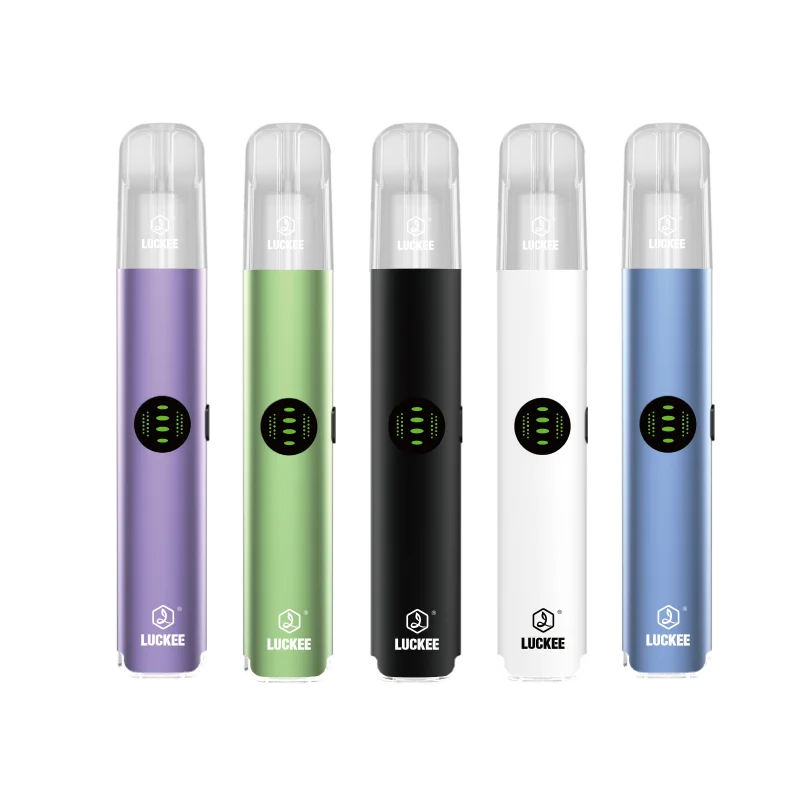
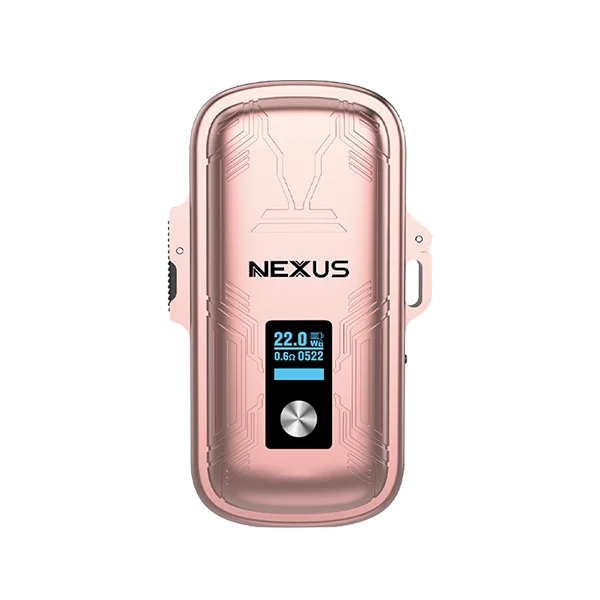
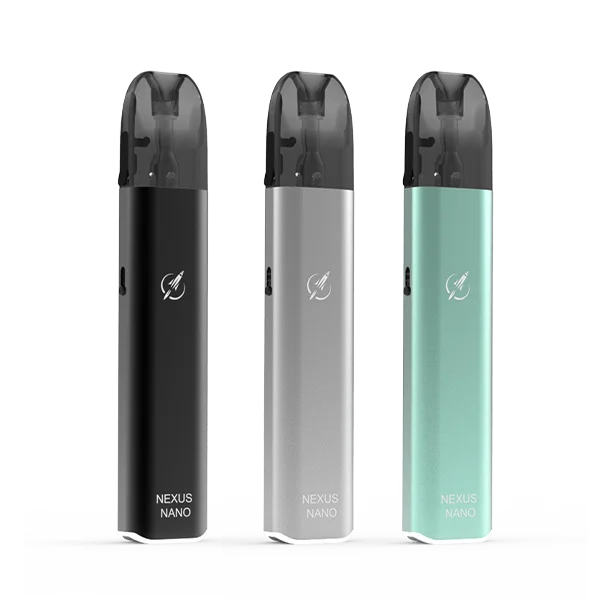
Starter kits come in various designs, but all function similarly. Prices typically range from $20 to $60. Common beginner-friendly vape options include:
Pod systems, which may be prefilled or refillable and often use disposable pods
All-in-one (AIO) devices with refillable tanks and replaceable coils
Classic e-cigarettes that can be prefilled or refillable
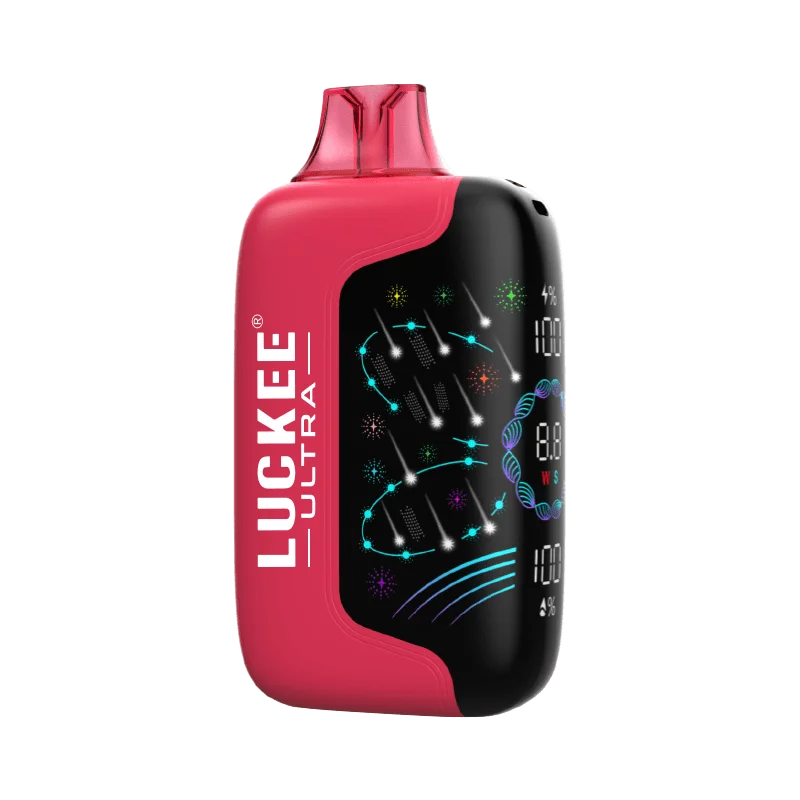
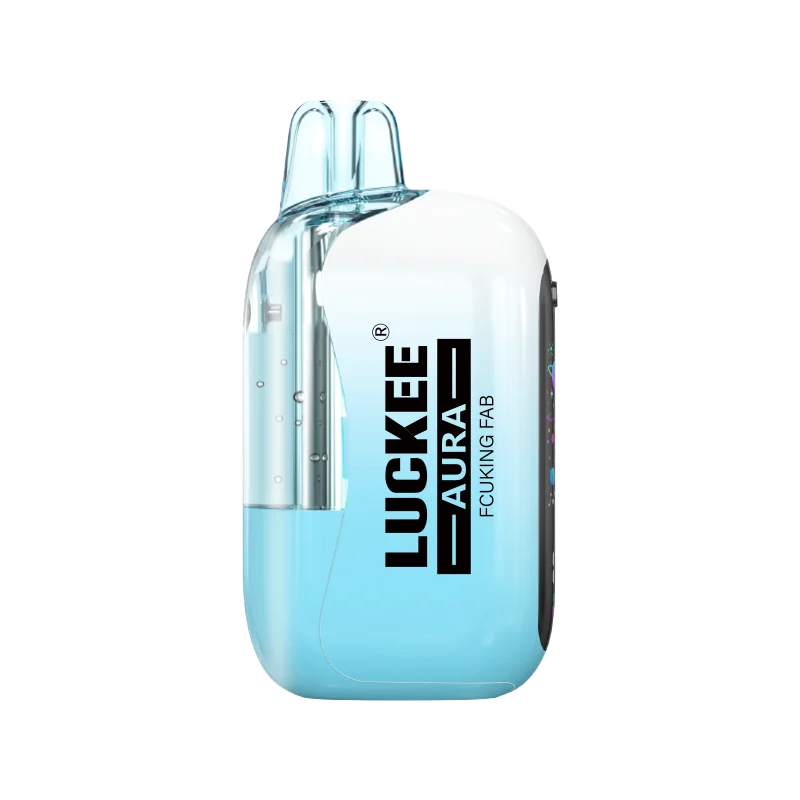
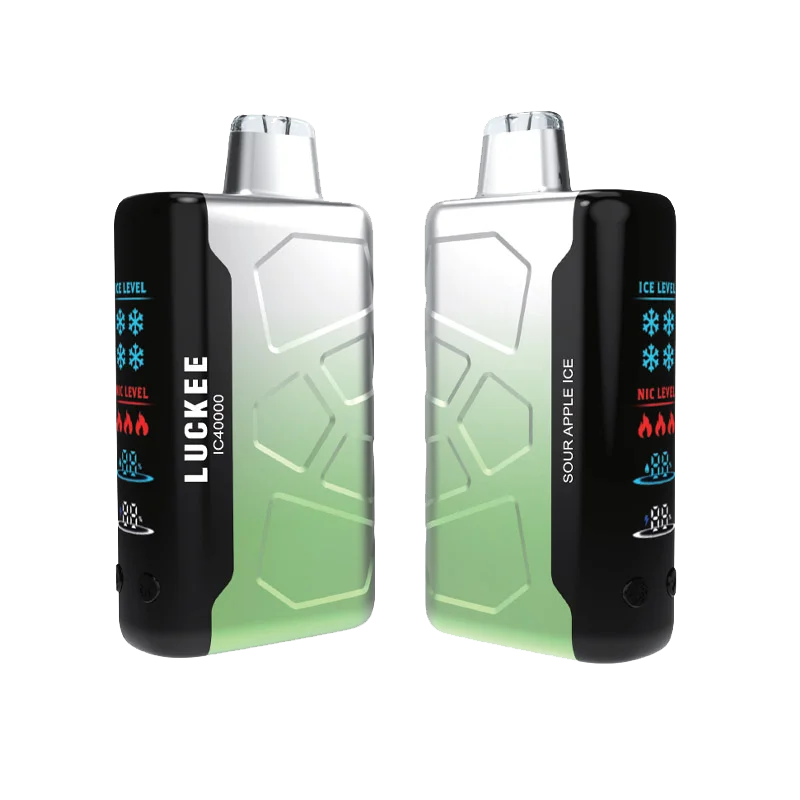
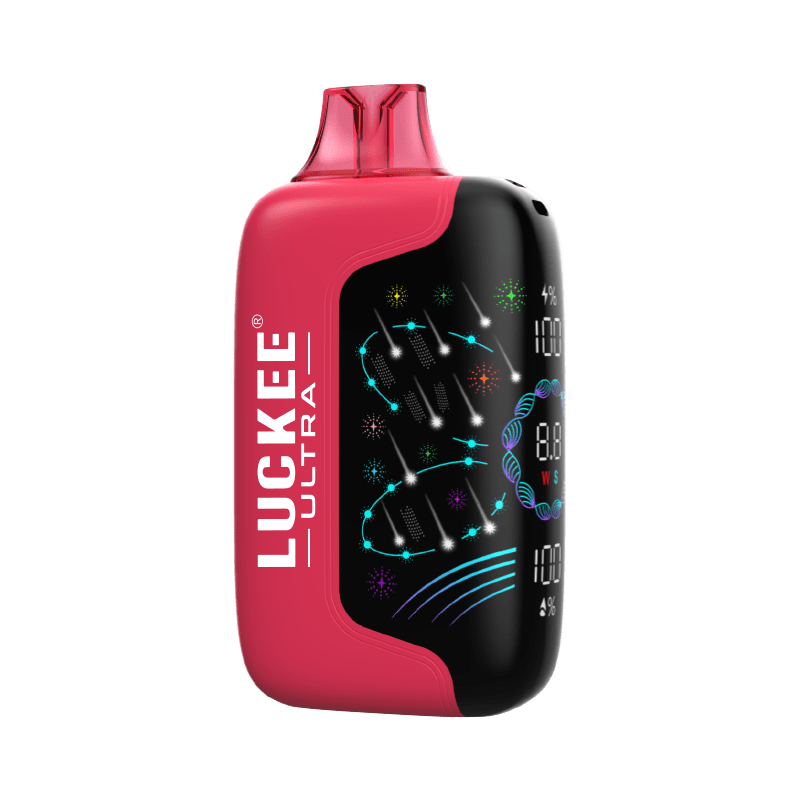
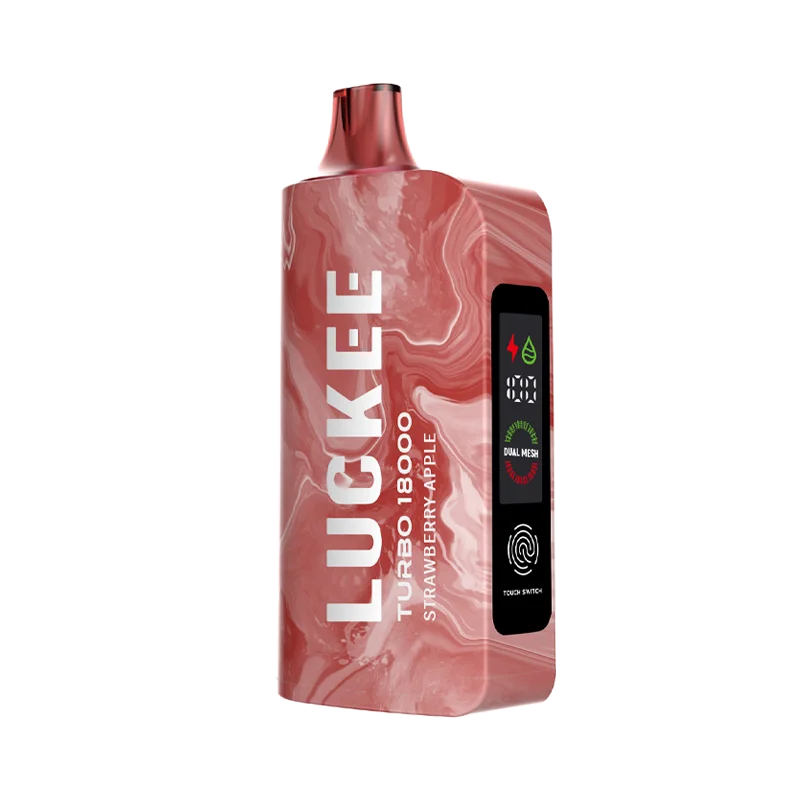
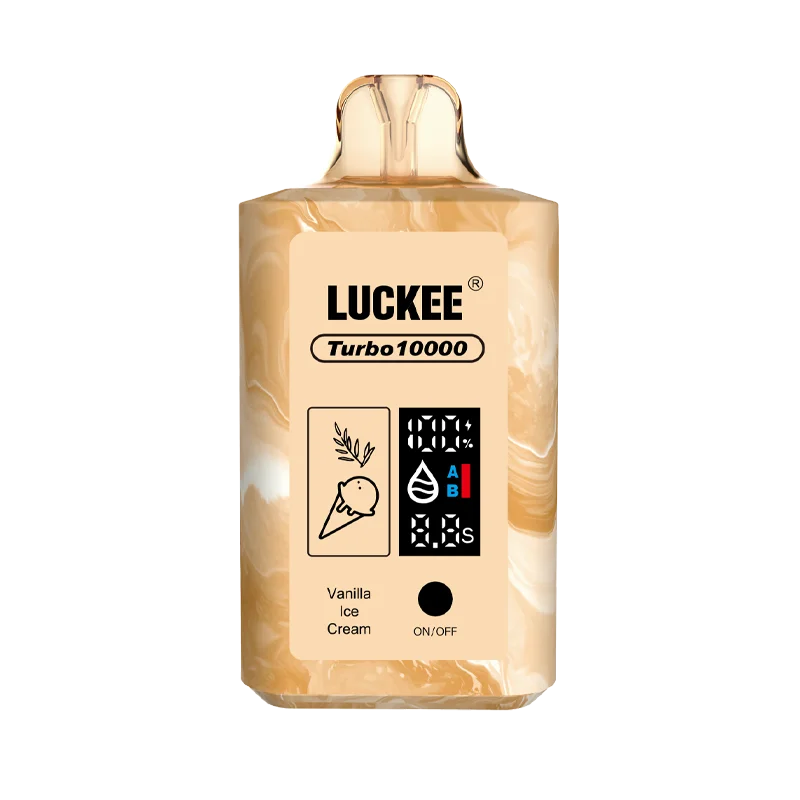
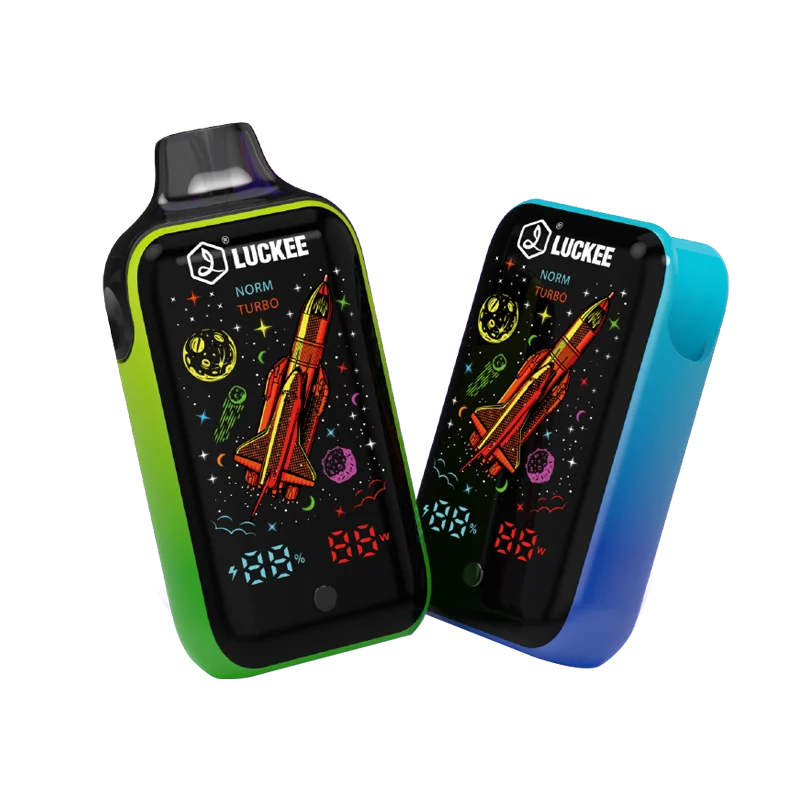
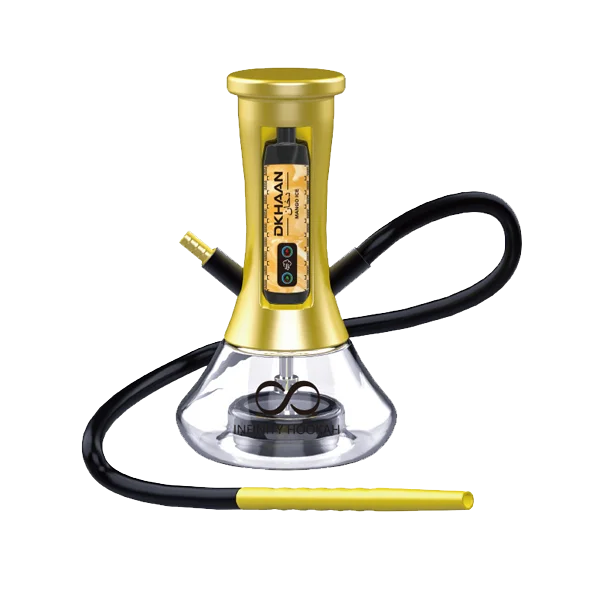
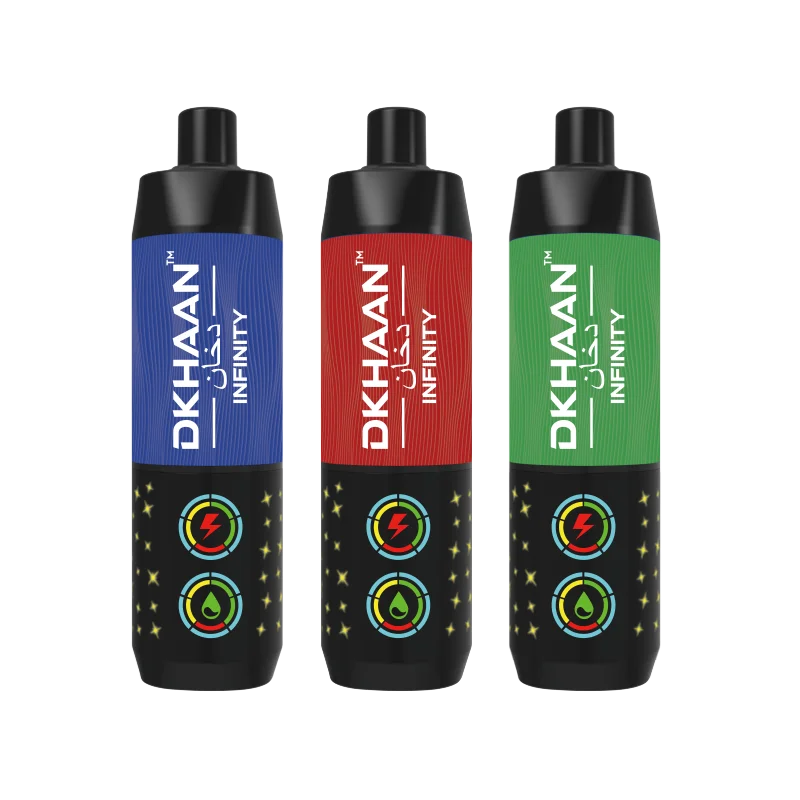
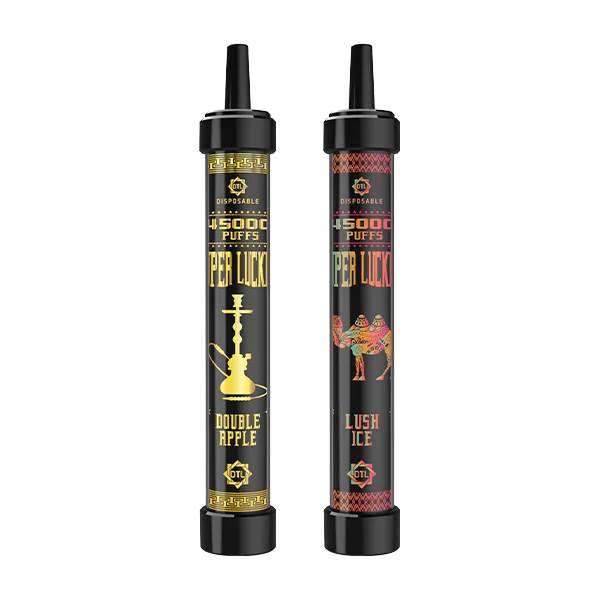
Disposable vapes that come prefilled and are discarded once empty
Every vape kit includes a user manual. While instructions may sometimes include awkward translations due to overseas manufacturing, they generally explain setup and use clearly and often include diagrams. If your device is refillable and instructions are unclear, online reviews or tutorial videos can provide helpful guidance.
Step Two: Select the Right E-Liquid
Once you have your device, choosing an appropriate e-liquid is essential. Start by selecting a flavor you enjoy, then determine the nicotine strength that suits your needs. High-nicotine e-liquids are typically sold in smaller bottles, while lower-nicotine options are available in larger volumes.
General nicotine guidelines by device type include:
High nicotine levels (12 mg to 60 mg), ideal for low-power devices
Medium nicotine levels (6 mg to 12 mg), suitable for low- to mid-power devices
Low nicotine levels (0 mg to 6 mg), best for high-power devices
If you are transitioning from smoking, consider how frequently you used cigarettes. Heavy smokers may prefer higher nicotine strengths, often found in nicotine salt e-liquids, which deliver faster satisfaction. Lower nicotine strengths provide a smoother, less intense experience. It’s recommended to start at the lower end of your chosen range and adjust gradually. Always ensure your device’s power output matches the nicotine level you select.
How to Inhale a Vape Properly
Inhalation technique plays a critical role in vaping satisfaction. Using the wrong method can lead to coughing, throat irritation, or an uncomfortable nicotine rush.
There are two primary inhalation styles used in vaping: mouth-to-lung (MTL) and direct-to-lung (DTL).
Mouth-to-lung inhalation closely resembles the way traditional cigarettes are smoked. Vapor is first drawn into the mouth, briefly held, and then inhaled into the lungs. This method works best with higher-resistance coils and lower-power devices and is often preferred by former smokers.
Direct-to-lung inhalation involves pulling vapor straight into the lungs without pausing in the mouth. This technique is commonly used with high-powered devices and sub-ohm coils that produce larger vapor clouds.
To refine your inhale technique, begin with slow, gentle draws. Pay attention to how your body responds to both the vapor and nicotine. If you experience coughing or discomfort, reduce the intensity of your inhale. For mouth-to-lung devices, taking shorter, lighter puffs and gradually increasing airflow can help your body adjust more comfortably.
Final Thoughts
Vaping provides a customizable and potentially lower-risk alternative to traditional smoking. By understanding what vaping is, how devices function, and how to inhale properly, you can greatly enhance your overall experience. Whether you are new to vaping or looking to improve your technique, mastering the fundamentals—especially inhalation—makes a noticeable difference. Stay informed, choose equipment that fits your needs, and prioritize both comfort and enjoyment as you refine your vaping journey.