


How Long Does THC from Dabbing and Vaping Remain in Your System?
As public awareness of cannabis use continues to grow, understanding how THC is processed and retained in the body has become increasingly important. This is especially critical for individuals who may be subject to cannabinoid drug screening. Concentrated cannabis products such as wax, shatter, or dab oil are particularly risky in this context. These semi-solid concentrates often contain between 50% and 90% THC, far exceeding the 15% to 30% THC typically found in standard cannabis flower.
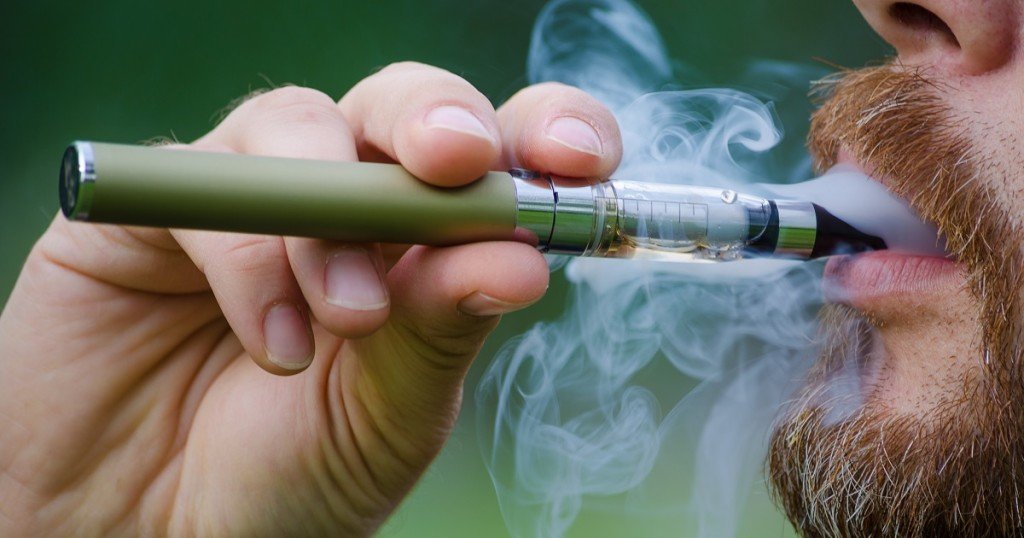
Regardless of whether a drug test involves blood, saliva, or urine analysis, avoiding cannabis vape pens and vaporizers altogether is the safest option. A common misconception is that vaping THC allows it to leave the body more quickly than other consumption methods. In reality, the likelihood of testing positive for THC is largely the same whether cannabis is smoked, dabbed, or vaped.
When THC is inhaled, it leaves behind metabolites that are difficult for the body to eliminate quickly. The amount of time THC remains detectable varies widely from person to person. Factors such as metabolic rate, body fat percentage, age, hydration levels, and overall health all play a role. Individuals with faster metabolisms may process THC more efficiently, while those with higher body fat may retain THC longer, as cannabinoids are fat-soluble and stored in adipose tissue.
How Long Does THC from Dabbing and Vaping Stay Detectable?
Do Employers Still Test for THC?
As of May 2023, recreational cannabis use is legal in 23 U.S. states and Washington, D.C. Medical cannabis laws are even more widespread, with 27 states permitting its use in some form. Despite these changes at the state level, cannabis remains illegal under U.S. federal law. THC is still classified as a Schedule I substance under the Controlled Substances Act, meaning federal regulations allow zero tolerance for THC metabolites in the body.
For frequent or long-term cannabis users, THC detection times increase significantly. In extreme cases involving daily or heavy use, THC metabolites may remain detectable for up to two or even three months before levels fully return to baseline.
Saliva (Oral Fluid) Testing
Saliva testing, also known as oral swab testing, is a fast and convenient screening method commonly used to detect recent cannabis use. It is particularly effective at identifying THC exposure within the past 24 hours, as THC does not remain in saliva for long periods.
For someone who uses cannabis once, THC may be detectable in saliva for up to 36 hours. Individuals who use cannabis once or twice per week may test positive for as long as two days. Regular users may be detected for up to three days after use, while heavy or chronic users can retain detectable levels in saliva for several weeks.
In 2021, newer saliva testing technologies—similar to alcohol breathalyzers—became more widely available. These devices are designed to identify cannabis use within the previous 12 hours, with peak accuracy around six hours after consumption.
Blood Testing
Blood tests are another method used to detect recent THC use and typically have a detection window similar to saliva tests.
For occasional users or those who consume cannabis no more than three times per week, THC can usually be detected in blood for up to 48 hours. This applies regardless of the method of use, including vaping, smoking, or dabbing. For daily or long-term cannabis users, THC may remain detectable in the bloodstream for several weeks.
Hair Follicle Testing
Hair testing is the most sensitive method for detecting cannabis use, but it is also the least commonly used. This is largely due to higher costs and limited laboratory availability.
Hair follicle tests can detect THC use for up to 90 days, even if cannabis was used only once during that period. Longer hair samples can provide a more detailed usage history. Because THC metabolites become embedded in hair follicle cells, individuals who use cannabis frequently or over long periods are far more likely to receive a positive result.
This method is highly accurate because THC is stored throughout the body, including within hair follicles. Hair essentially acts as a long-term record of cannabis exposure, preserving evidence of use long after other testing methods would no longer detect it.
Frequently Asked Questions
Does Delta-8 THC Appear on Drug Tests?
Delta-8 THC is often described as a legal alternative to Delta-9 THC, but this classification exists in a legal gray area. While Delta-8 occurs naturally in very small amounts, most commercial Delta-8 products are synthetically produced. Chemically, Delta-8 is still a form of THC and is metabolized by the body in a similar way. The same applies to other cannabinoids such as Delta-10 THC, HHC, and THCP.
Although Delta-8 produces milder psychoactive effects, using it to try to pass a drug test is unreliable. Standard drug screenings cannot distinguish between Delta-8 and Delta-9 THC, meaning Delta-8 use can result in a positive test. Unregulated or black-market Delta-8 products carry even greater risk due to unknown ingredients and potential contamination.
Do Drug Tests Detect CBD?
CBD is a non-intoxicating cannabinoid widely used for relaxation, pain relief, and inflammation reduction. Unlike THC, CBD does not cause psychoactive effects.
Most standard drug tests do not specifically screen for CBD. However, some CBD products may contain trace amounts of THC. With prolonged or heavy use, these trace levels may accumulate enough to trigger a positive drug test. To reduce this risk, users should consider CBD isolate or carefully tested products that undergo thorough THC removal during manufacturing.
Does a Dab Pen Stay in Your System Longer Than Cannabis Flower?
In theory, it can—but it depends on overall THC intake. The total amount of THC consumed matters more than the method of use. While dab pens and concentrates contain much higher THC levels per gram than flower, occasional low-dose vape use may result in shorter retention times than frequent flower smoking. It is inaccurate to assume that dab pens always remain detectable longer, as frequency, dosage, and individual metabolism play significant roles.
Can Drug Tests Identify How THC Was Consumed?
No. Drug tests are designed solely to detect THC and its metabolites, not the method of ingestion. Laboratories cannot determine whether THC entered the body through smoking, vaping, dabbing, or edibles. Whether THC was consumed using a cartridge, vaporizer, or traditional smoking method is irrelevant to test results.
Understanding how long THC remains in the body is essential for anyone concerned about drug testing. While legalization continues to evolve, testing standards remain strict, and no method of THC consumption guarantees faster elimination.