

E-Hookah vs Shisha: What Is the Difference?
E-hookah and shisha are often used interchangeably, but they are not exactly the same. Traditional shisha uses charcoal to heat flavored tobacco or herbal molasses in a waterpipe. E-hookah uses a battery-powered heating system to produce an aerosol, usually without charcoal.
Although both products may offer fruity flavors, large vapor or smoke clouds and a social hookah-style experience, their technology, ingredients, maintenance and portability are significantly different.

What Is Shisha?
Shisha usually refers to traditional waterpipe smoking. Depending on the country, the word may describe the flavored material placed inside the hookah bowl or the complete smoking experience.
Traditional shisha material commonly contains:
- Tobacco or herbal material
- Molasses or honey
- Glycerin
- Flavoring ingredients
- Nicotine, when tobacco is used
During a shisha session, charcoal heats the material inside the bowl. The smoke travels through the hookah stem, passes through water and is then drawn through a hose.
Shisha is also known as:
- Hookah
- Waterpipe
- Nargile
- Narghile
- Hubble-bubble
The word “shisha” is more widely used in the Middle East, Europe and North Africa, while “hookah” is more common in North America.
What Is an E-Hookah?
E-hookah is short for electronic hookah. It is an electronic device designed to create a hookah-style experience without using traditional charcoal.
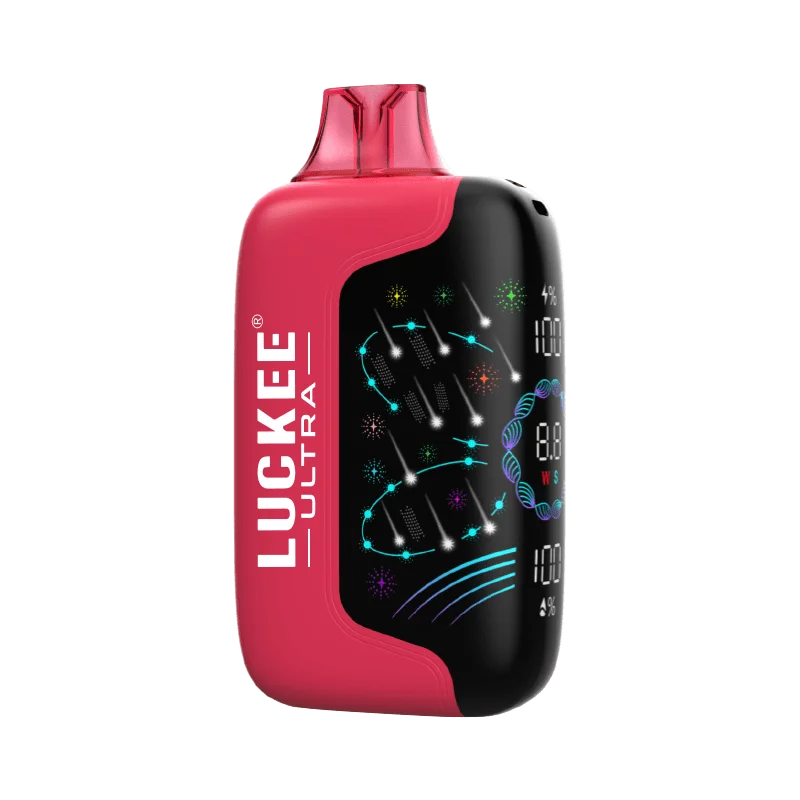
Most e-hookah devices use a battery to power a heating coil. The coil heats an e-liquid or another compatible consumable, producing an aerosol that the user inhales.
An e-hookah may include:
- Rechargeable battery
- Heating coil or mesh coil
- E-liquid reservoir
- Airflow system
- Mouthpiece
- Digital display
- Charging port
- Replaceable or prefilled pod
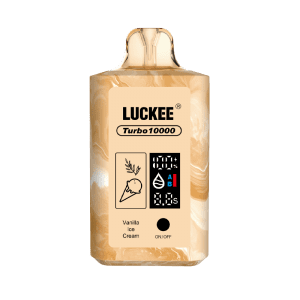
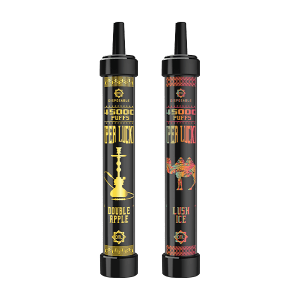
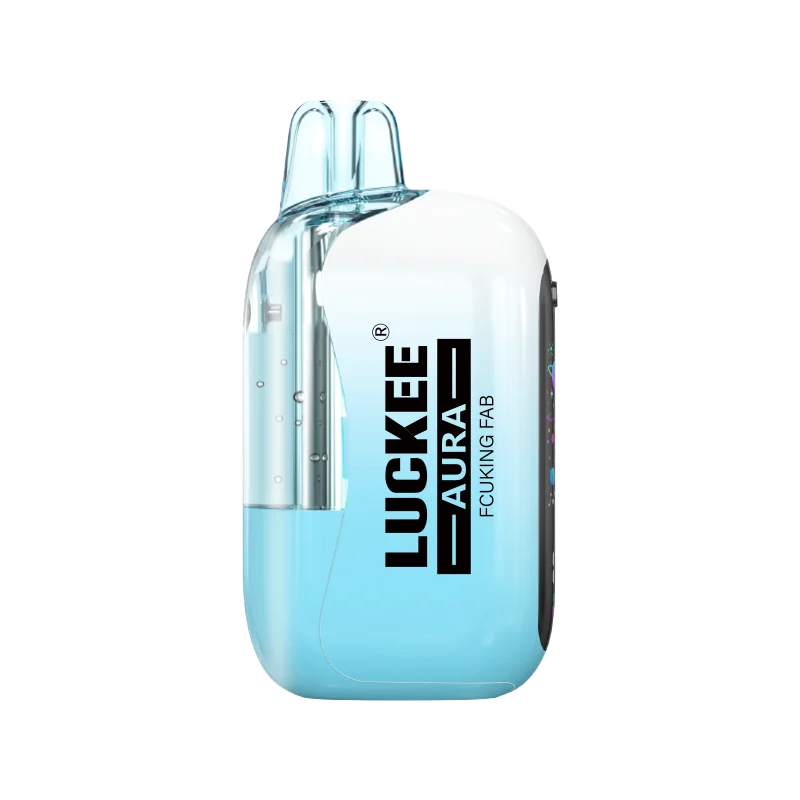
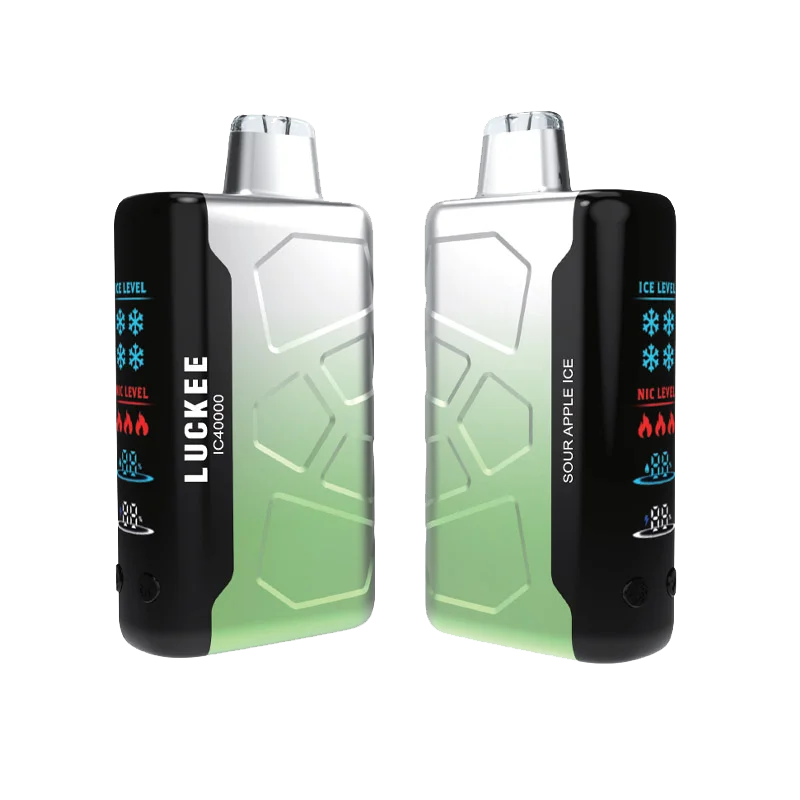
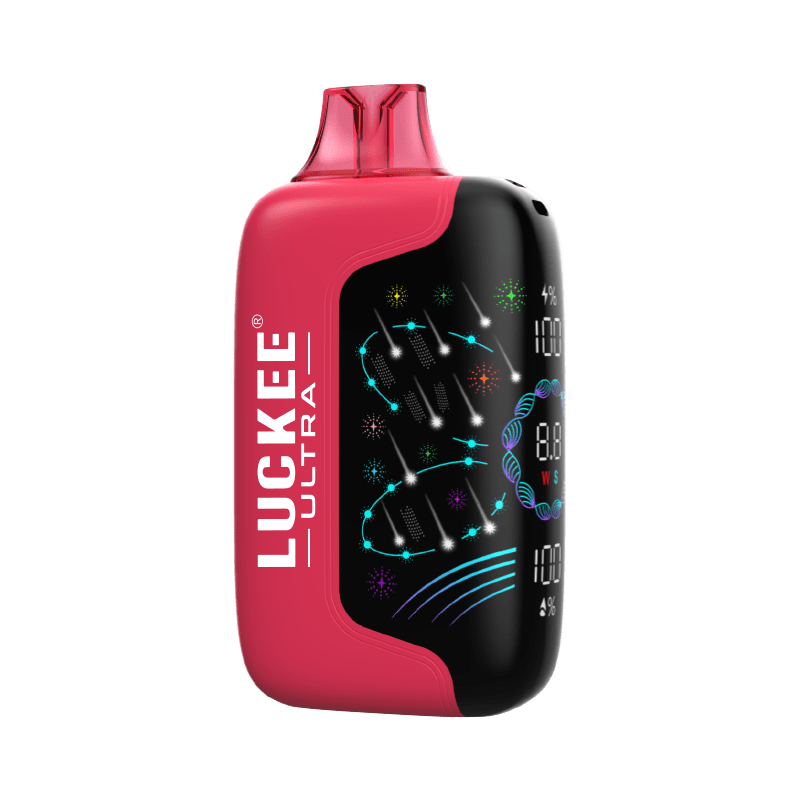
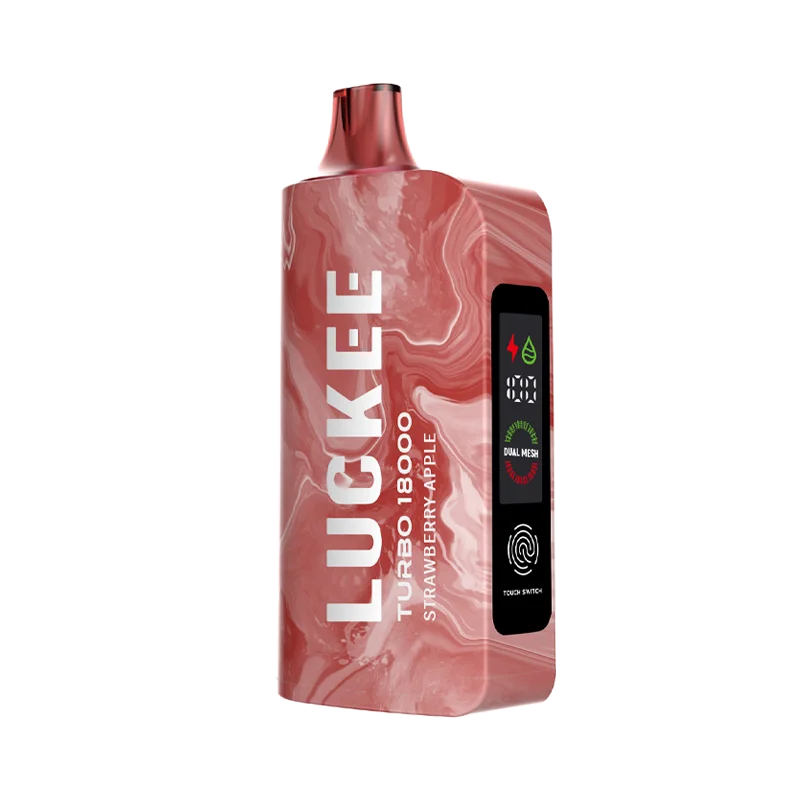
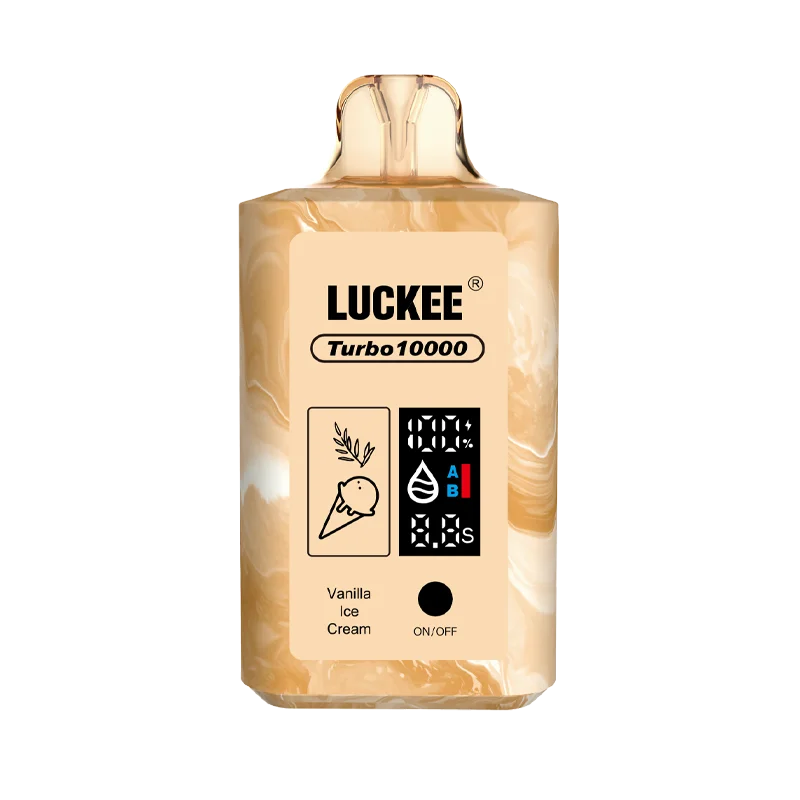
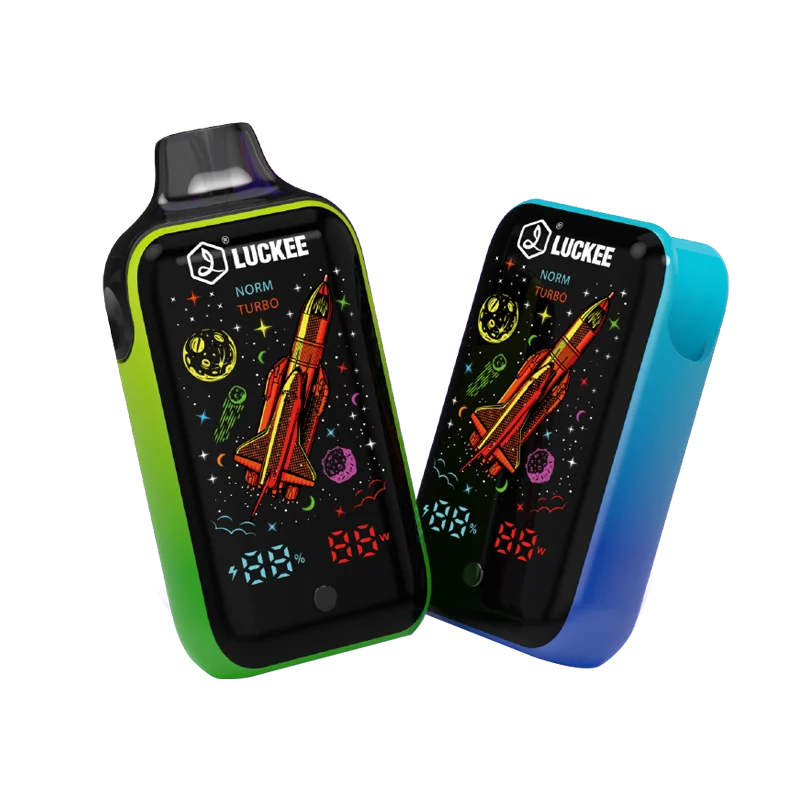
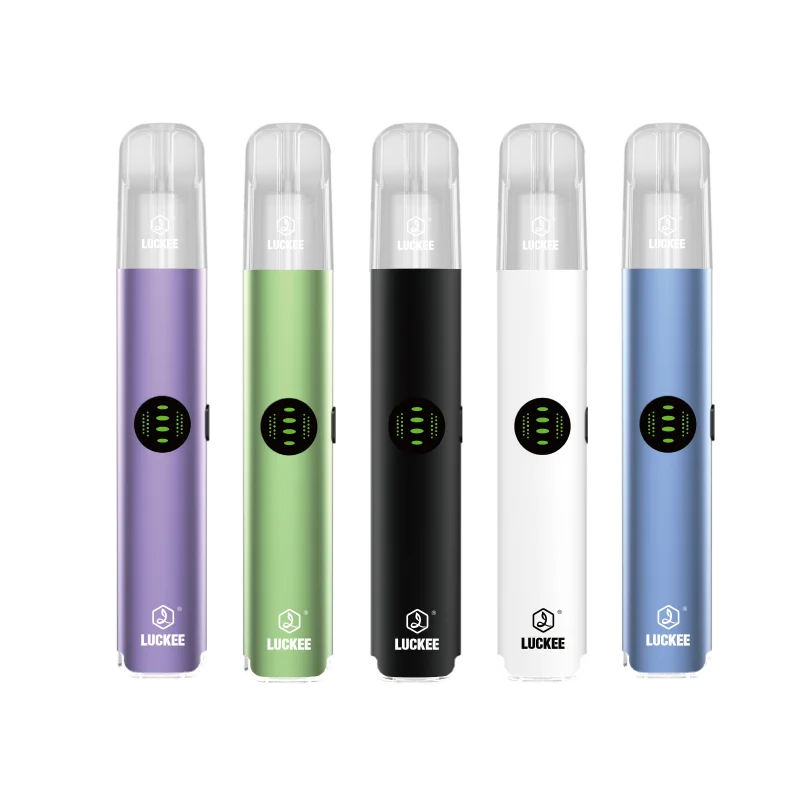
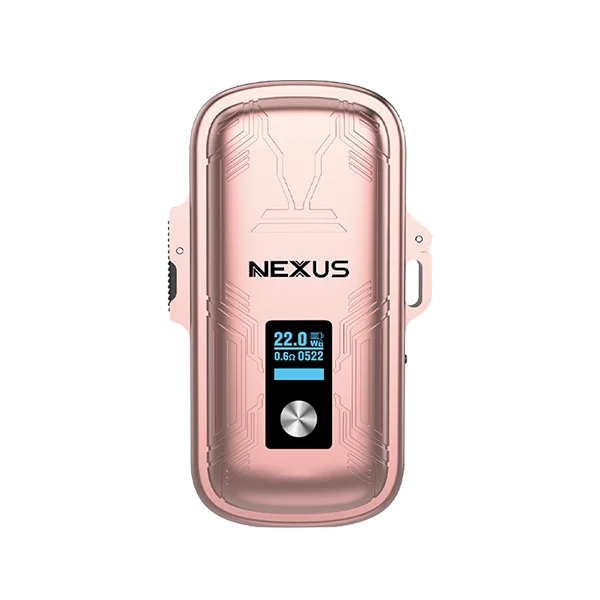
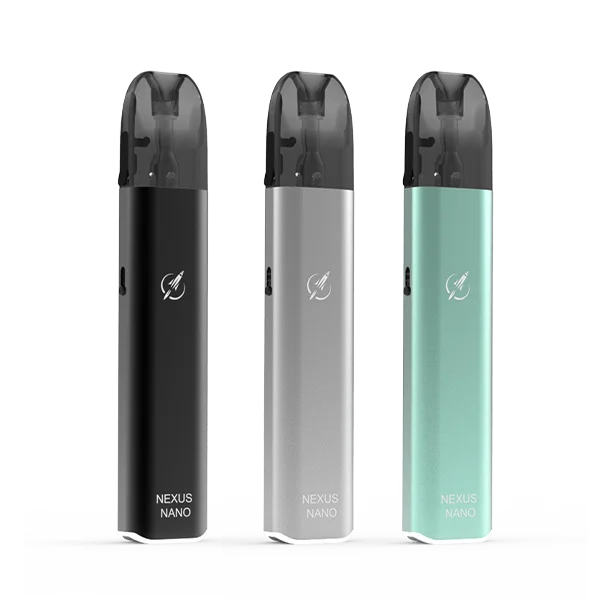
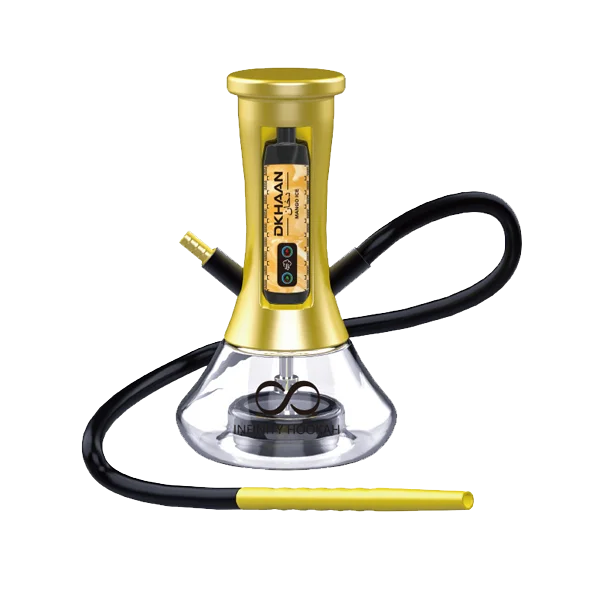
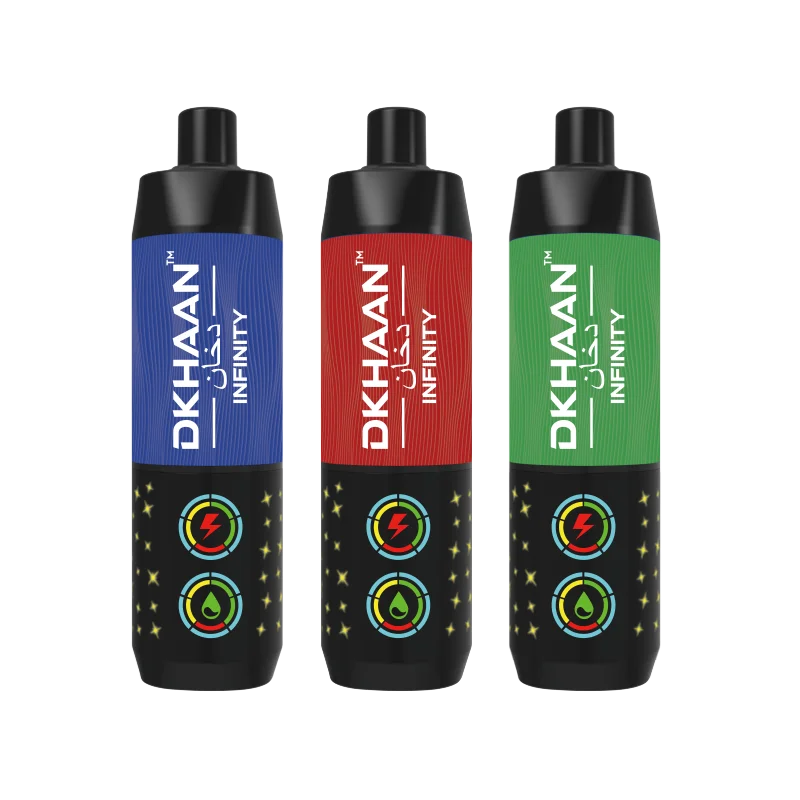
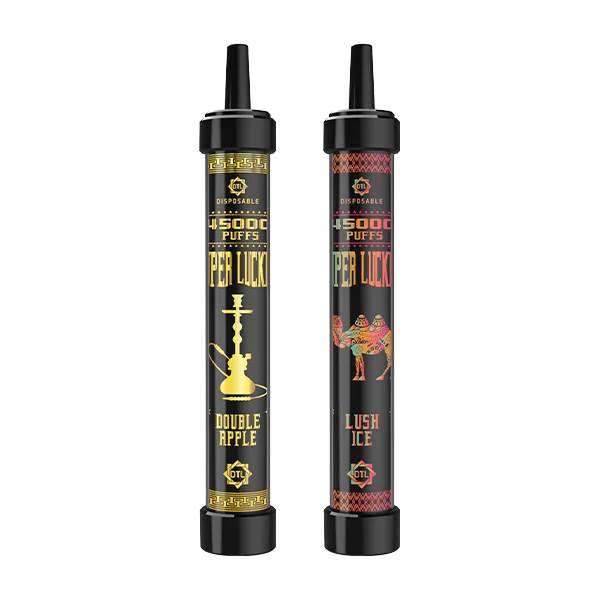
E-hookah products are available in several forms, including disposable devices, rechargeable portable models and larger electronic hookah systems with hoses.
E-Hookah vs Shisha: Quick Comparison
| Feature | E-Hookah | Traditional Shisha |
|---|---|---|
| Heating method | Battery-powered coil | Burning charcoal |
| Consumable | E-liquid or compatible cartridge | Flavored tobacco or herbal molasses |
| Smoke or aerosol | Produces aerosol | Produces smoke |
| Charcoal required | No | Yes |
| Water base required | Usually no | Yes |
| Setup time | Minimal | Requires preparation |
| Portability | Usually portable | Usually larger and less portable |
| Maintenance | Generally simple | Requires regular cleaning |
| Session length | Depends on battery and capacity | Depends on charcoal and bowl size |
| Nicotine | Available with or without nicotine | Depends on the shisha material |
| Flavor change | Change device, pod or cartridge | Replace and clean the bowl |
| Best suited for | Portable or convenient use | Traditional and social sessions |
1. Different Heating Methods
The main difference between e-hookah and shisha is how the consumable is heated.
Traditional shisha normally uses burning charcoal. The charcoal sits above the bowl and transfers heat to the flavored material below it.
An e-hookah uses electricity. Its battery sends power to a coil, which heats e-liquid or another compatible consumable.
This difference affects the product’s setup, construction, maintenance and user experience.
2. Smoke vs Aerosol
Traditional shisha produces smoke because charcoal and shisha material are heated together. An e-hookah produces an aerosol through an electronic heating system.
The visible cloud from an e-hookah may resemble shisha smoke, but it is created through a different process.
It is important not to describe either product as harmless. Health risks depend on factors such as ingredients, nicotine content, product quality, heating conditions and frequency of use.
3. Product Structure
Traditional shisha usually requires several separate components:
- Water base
- Stem
- Bowl
- Hose
- Mouthpiece
- Charcoal tray
- Heat-management equipment
An e-hookah combines most functional components into an electronic system. Portable models may contain the battery, coil, liquid reservoir and mouthpiece inside a single device.
Some larger electronic shisha systems resemble traditional hookahs and may still use a base or hose. However, the heating source remains electronic.
4. Setup and Ease of Use
Traditional shisha requires preparation. Users must fill the base, prepare the bowl, light the charcoal and manage heat during the session.
An e-hookah generally requires fewer steps. Depending on the product, the user may only need to:
- Remove the packaging
- Charge the battery if necessary
- Install a pod or cartridge
- Activate the device
- Adjust the airflow or power setting
This convenience is one reason e-hookah products are often marketed for portable or individual use.
5. Portability
Traditional hookahs can be large, fragile and difficult to transport. The glass base, hose, charcoal and other accessories also require additional space.
E-hookah products are usually more portable. Disposable and compact rechargeable devices can be carried more easily, subject to local laws and transportation restrictions.
Larger electronic hookah systems may be less portable but still eliminate the need to carry charcoal.
6. Flavor Options
Both e-hookah and traditional shisha products are available in many flavors.
Common shisha flavor categories include:
- Mint
- Grape
- Apple
- Watermelon
- Lemon
- Peach
- Mixed fruit
- Beverage-inspired blends
Traditional shisha flavors come from flavored tobacco or herbal molasses. E-hookah flavors are normally created through e-liquid formulations.
The final experience can differ because traditional shisha uses charcoal, while e-hookah relies on coil temperature, airflow and e-liquid composition.
Flavor availability may also be restricted in certain markets.
7. Nicotine Content
Neither e-hookah nor shisha automatically means nicotine-free.
Traditional shisha made with tobacco normally contains nicotine. Herbal or tobacco-free shisha may not contain tobacco, but buyers should still check the ingredient information.
E-hookah products can contain:
- Nicotine-free e-liquid
- Freebase nicotine
- Nicotine salts
- Different nicotine concentrations
Always check the product label and applicable local regulations. Nicotine is addictive, and nicotine-containing products are intended only for adults where legally permitted.
8. Maintenance Requirements
Traditional shisha equipment requires regular cleaning. The base, stem, bowl, hose and mouthpiece can collect residue and flavor after repeated use.
E-hookah maintenance depends on the device type.
A disposable e-hookah is not designed for refilling or long-term maintenance. A rechargeable system may require charging, pod replacement and occasional cleaning around the mouthpiece or connection points.
For both product types, users should follow the manufacturer’s instructions.
9. Social Experience
Traditional shisha is strongly associated with group settings, lounges and longer sessions. Its preparation and shared format are part of the experience.
E-hookah products are often designed for personal convenience. However, some electronic hookah systems include multiple hoses or mouthpieces to create a more traditional social format.
Therefore, the difference is not only technical. It also relates to how and where the product is used.
10. Regulations and Market Positioning
Traditional shisha and e-hookah may be classified differently under local laws.
Traditional shisha products may be regulated as tobacco, herbal smoking products or waterpipe products. E-hookah may be regulated as an electronic cigarette, electronic nicotine delivery system or vaping product.
Requirements may cover:
- Minimum legal age
- Nicotine concentration
- E-liquid capacity
- Product registration
- Ingredient reporting
- Packaging and health warnings
- Advertising restrictions
- Flavor restrictions
- Battery transportation
- Import documentation
Manufacturers, importers and distributors should confirm the requirements of each destination market before producing or shipping an order.
Is E-Hookah the Same as E-Shisha?
E-hookah and e-shisha generally refer to the same product category: an electronically heated device designed to provide a hookah-style experience.
The preferred term varies by market:
- E-hookah: more common in North America
- E-shisha: more common in Europe and the Middle East
- Electronic hookah: formal product description
- Vape hookah: common commercial and wholesale term
- Electronic shisha: frequently used in B2B sourcing
Manufacturers may use several of these keywords on product pages to reach buyers from different regions.
Which One Is More Suitable?
The right choice depends on the intended experience.
Traditional shisha may be preferred by users who value the complete waterpipe ritual, including bowl preparation, charcoal management and longer social sessions.
E-hookah may be more suitable for users seeking:
- Faster setup
- Greater portability
- No charcoal
- Simpler maintenance
- Rechargeable operation
- Personal use
- Adjustable airflow or power
Importers and distributors should also consider local demand, product regulations, consumer preferences and available sales channels.
Frequently Asked Questions
Is e-hookah a type of vape?
Yes. Most e-hookah products use battery-powered vaping technology to heat e-liquid and produce an aerosol. However, their design and airflow may be created to simulate a traditional hookah-style experience.
Does e-hookah use water?
Most portable e-hookah products do not use water. Some larger electronic shisha systems may include a water base for appearance or airflow design, depending on the product.
Does e-hookah contain tobacco?
Most e-hookah devices use e-liquid rather than tobacco leaves. However, the exact ingredients vary, so buyers should review the product specifications and ingredient information.
Can e-hookah contain nicotine?
Yes. E-hookah products may be available with or without nicotine. Nicotine concentration and product availability depend on the manufacturer and local regulations.
Does traditional shisha always contain nicotine?
No. Tobacco-based shisha normally contains nicotine, while some herbal alternatives may be tobacco-free and nicotine-free. Always check the ingredient label.
Are e-hookah and electronic shisha the same?
In most commercial contexts, yes. Both terms describe electronic products designed to provide a hookah-style experience. The preferred keyword mainly depends on the target region.
Conclusion
The main difference between e-hookah and shisha is the heating system. Traditional shisha uses charcoal to heat tobacco or herbal molasses inside a waterpipe, while e-hookah uses a battery-powered coil to heat e-liquid or another compatible consumable.
Traditional shisha focuses on the classic waterpipe ritual and social experience. E-hookah offers a more portable, convenient and electronically controlled alternative.
For manufacturers, wholesalers and importers, understanding these differences is essential for selecting products, creating accurate marketing content and meeting the regulatory requirements of each target market.