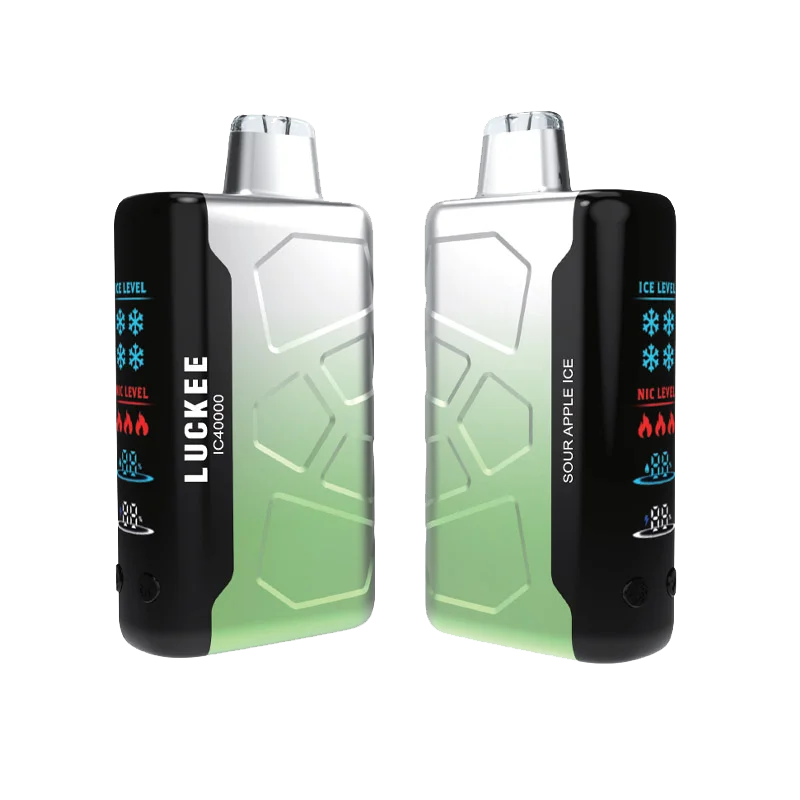
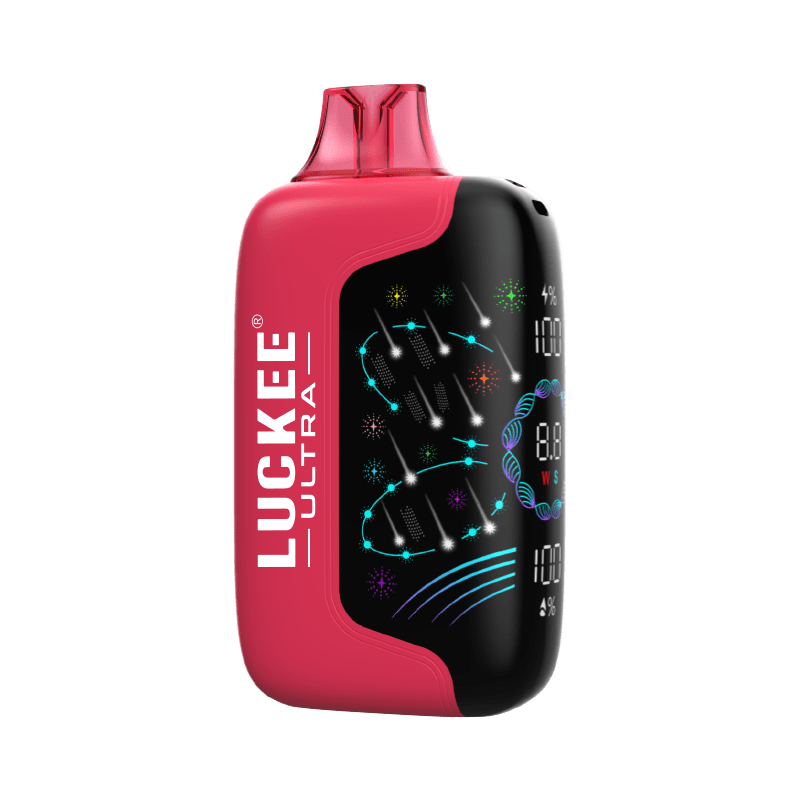
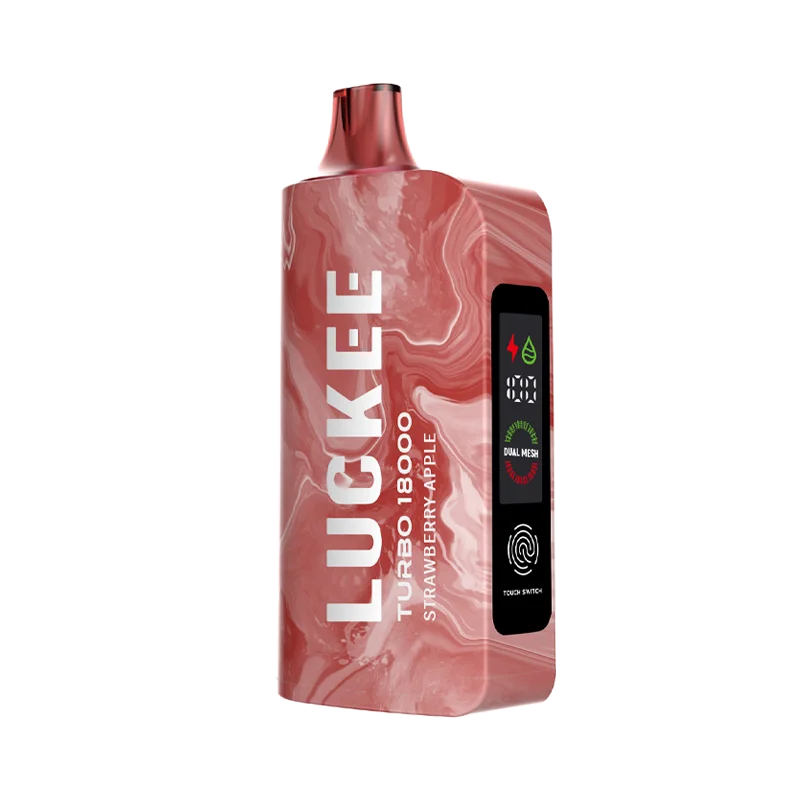
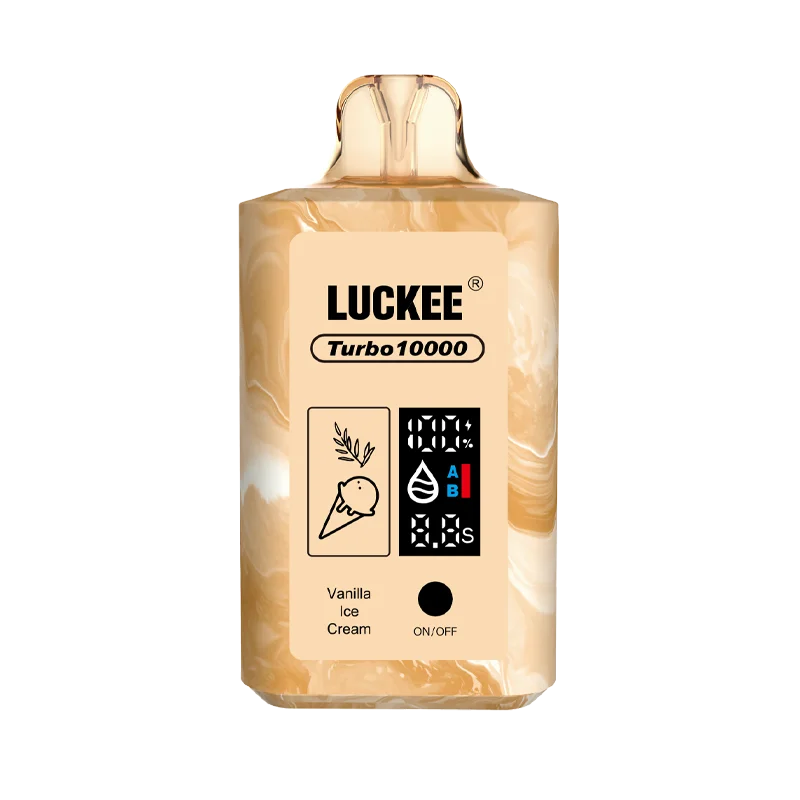
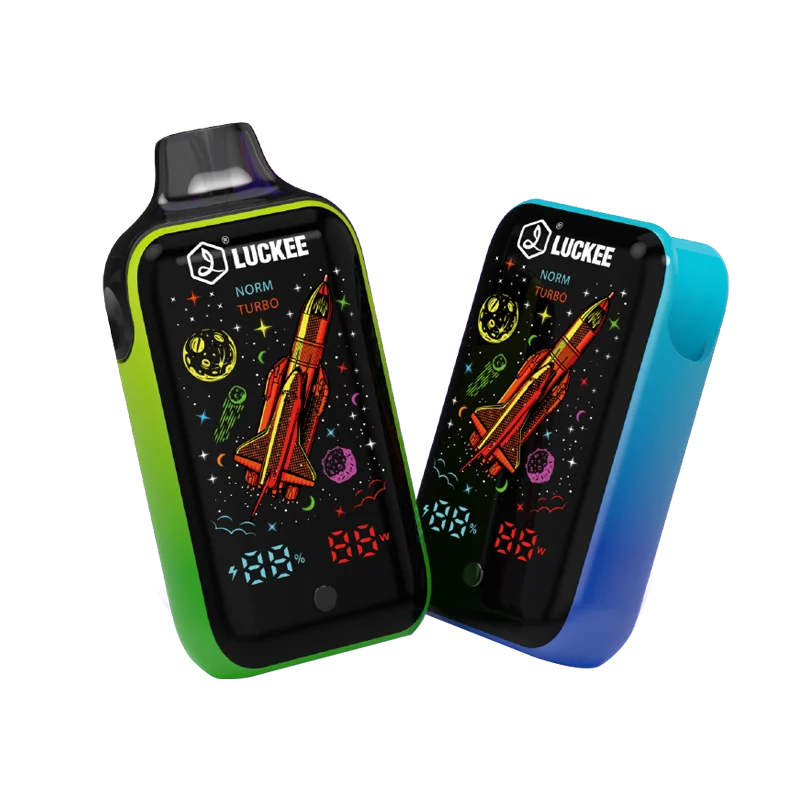
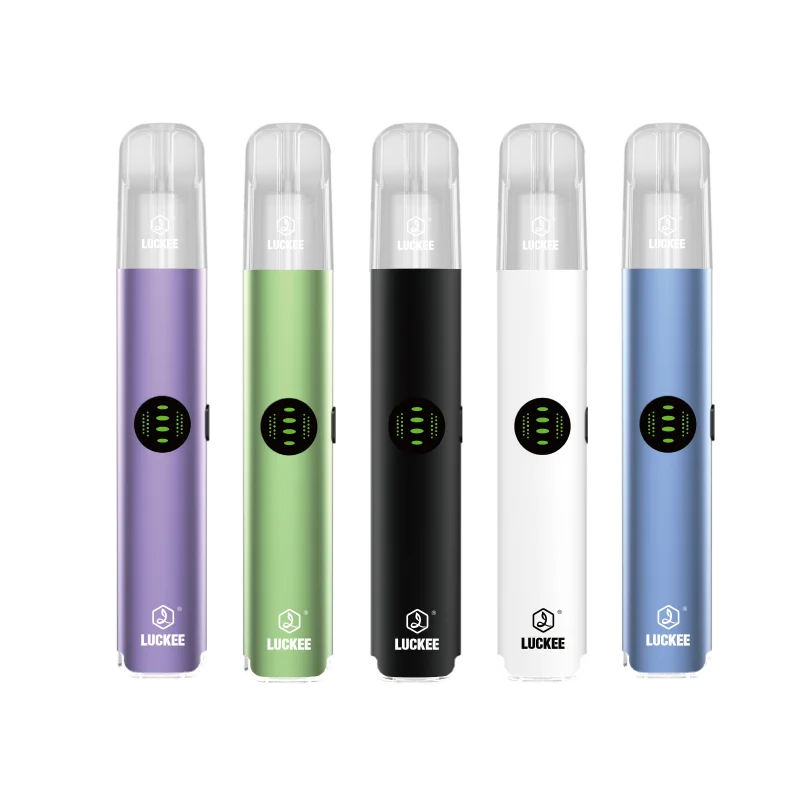
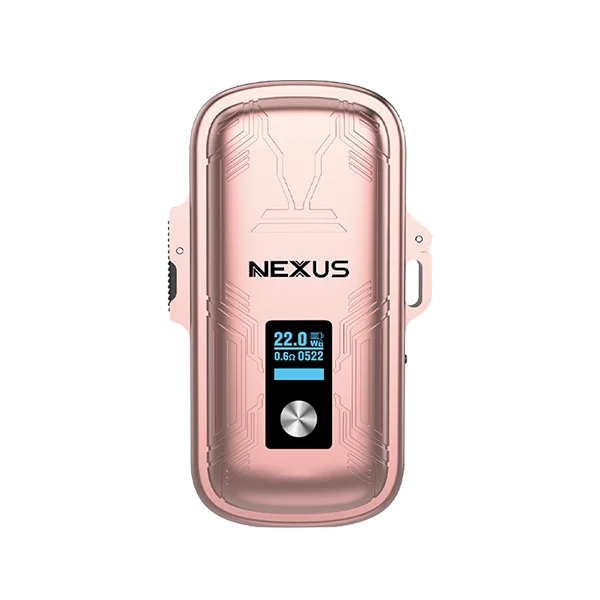
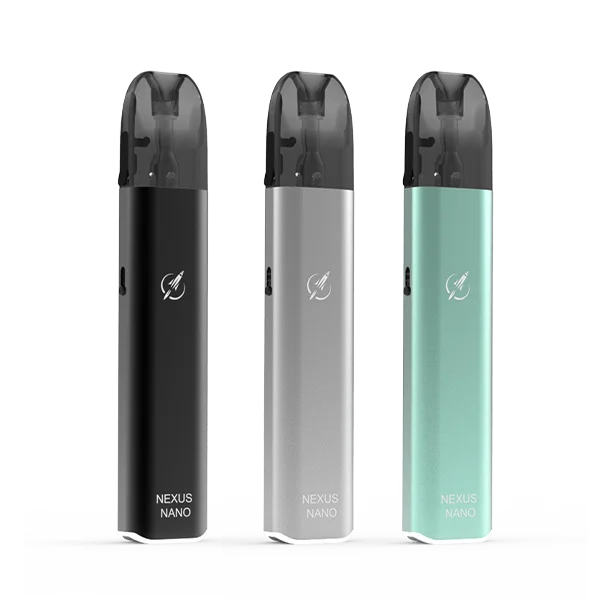

Egypt’s vape market is legal, taxed and standards-driven — and it is the lowest-friction entry point in the Middle East and North Africa for a distributor who is willing to do the paperwork. Vapes have been legal to import and sell since 2022, when the Ministry of Health lifted the ban, and nothing in 2026 has reversed it. What replaced prohibition is a registration regime: your products must be registered against Egyptian standards before they can legally be sold, and the e-liquid is taxed by the millilitre.
If you are sourcing for the Egyptian market, this guide covers the four things that decide whether you can actually trade: legal status, the standards your products must meet, the import documents, and the tax stack — plus how Egypt compares with the Gulf markets most buyers evaluate at the same time.
Is the Egypt vape market worth entering in 2026?
Yes, with one condition: treat it as a regulated market, not a grey one.
Egypt lifted its ban on importing and trading e-cigarettes in 2022. Since then it has done the opposite of its neighbours — instead of tightening toward prohibition, it built a tax system around the products. You do not tax something by the millilitre and then ban it. That single signal tells you the direction of travel is price and paperwork, not a ban.
The market itself is small but growing fast:
| Metric | Figure | Source |
|---|---|---|
| Egypt e-cigarette market, 2024 | USD 126.07 million | Deep Market Insights |
| Forecast, 2033 | USD 543.44 million | Deep Market Insights |
| Growth rate, 2025–2033 | 17.67% CAGR | Deep Market Insights |
| Egypt’s share of the global market | 0.91% (2024) | Deep Market Insights |
| Fastest-growing product type | Disposable devices | Deep Market Insights |
For context, the wider Middle East and Africa e-cigarette market is forecast to move from USD 190.37 million in 2026 to USD 423.27 million by 2031 (Mordor Intelligence). Egypt is a small slice of that today — but it is one of the few slices where a mid-sized distributor can still get in.
Is it legal to import and sell vapes in Egypt?
Legal, licensed and age-restricted. Egypt treats e-cigarettes — nicotine and nicotine-free alike — as tobacco-related products.
The legal architecture rests on Ministry of Health Decree 79/2021, which brought e-cigarettes inside Law 52/1981, the country’s anti-smoking law. That one decision explains the rest of the market: vaping is legal for adults 18 and over (the same age as smoking, and it applies to zero-nicotine products too), it follows the country’s smoking rules in public, and the products themselves have to be standardised.
For a buyer, the practical point is this: “legal” in Egypt means “registered.” An unregistered product is not a legal product, however legal vaping itself may be.
What standards must your products meet?
Egypt has published a small set of binding standards that cover both the device and the liquid. These are the ones your supplier has to be able to meet:
| Standard or decree | What it covers |
|---|---|
| ES 8205-1/2023 | General requirements for tobacco substitutes — ingredients, labelling and packaging for single-use and reusable devices and for e-liquids |
| Ministerial Decree 502/2023 → ES 8685/2023 | Safety requirements for the electronics inside vaping devices |
| Ministerial Decree 498/2023 → ES 8724/2023 | How products must be displayed, sold and stored at the point of sale |
| Ministerial Order 101/2019 | The older ministerial order e-cigarettes must also comply with |
Importers and e-liquid producers must be registered with Egypt’s standards authority, and product registration is handled through the relevant committees of the Egyptian Federation of Industries’ food chamber. In plain terms: the factory has to be able to document compliance before the goods ship, not after they land.
How do you actually import vapes into Egypt?
Importing runs through GOEIC — the General Organization for Export and Import Control, under the Ministry of Investment and Foreign Trade. GOEIC issues import approvals and conformity certificates, and inspects contract samples.
Expect to assemble a document pack. The typical set for an e-cigarette consignment includes:
- A valid commercial registration for the importing entity
- The original manufacturer’s approval certificate for the imported product
- A nicotine and e-liquid composition analysis
- Banned-substance testing — Egypt screens for additives including vitamins, caffeine, taurine and certain colorants
- A toxicology report and MSDS for the product and its emissions
- An aerosol / emissions release test report
- The manufacturer’s certification that filling containers comply with food-packaging rules
None of these is exotic, but all of them have to exist as paper before customs will clear a commercial shipment. The single biggest cause of a stuck consignment is a supplier who cannot produce the emissions and toxicology documents on request.
What taxes and duties apply to vape products in Egypt?
Egypt taxes vaping rather than restricting it, and the tax stack is simple enough to model into your pricing:
| Tax or levy | 2026 position |
|---|---|
| E-liquid excise duty | EGP 2 per ml, applied to nicotine and nicotine-free liquid alike |
| VAT on devices | 14% |
| VAT on disposables | 14%, in force since 30 May 2024 |
| Health insurance levy | 10% of the retail price per unit is deducted to fund the health insurance system |
Two details catch importers out. First, the excise duty is charged per millilitre on zero-nicotine liquid too — there is no loophole for nicotine-free products. Second, the 10% health-insurance deduction applies per retail unit, on top of the 14% VAT, so a disposable device carries roughly a 24% in-price deduction before you have even paid the per-millilitre duty on its liquid.
Priced properly, that is workable. Priced as if Egypt were tax-free, it is not — and this is the number that most often turns a profitable-looking margin into a loss.
Why Egypt beats the Gulf on market entry
Most distributors scoping the region put Egypt next to the UAE and Saudi Arabia. The comparison is worth making honestly, because Egypt’s advantage is not market size — it is friction.
| Factor | Egypt | UAE (for comparison) |
|---|---|---|
| Excise on devices | No 100% ad-valorem excise | 100% ad-valorem excise |
| Per-SKU compliance cost | Standards registration and testing | ≈AED 1,760 (USD 480) per SKU, plus RoHS and annual renewals |
| Lab requirement | Registered standards testing | Testing at ISO/IEC 17025-accredited labs |
| Market character | Africa’s most stable, lowest-friction regulated market | Region’s largest market, with a high entry bar |
The Gulf also carries a 100% excise tax on electronic devices plus VAT, and its conformity-certification costs run per SKU — a real barrier for a distributor with a broad range. Egypt’s requirement is standards registration rather than a large per-SKU fee, which makes it far friendlier to a first-time entrant or a smaller catalogue.
If you are scoping the whole region, our Middle East vape wholesale guide sets the country-by-country picture, and the UAE and Saudi Arabia market guides cover the two Gulf markets in depth.
What actually sells in Egypt?
The Egyptian consumer profile will look familiar if you already sell in the Gulf, with local accents:
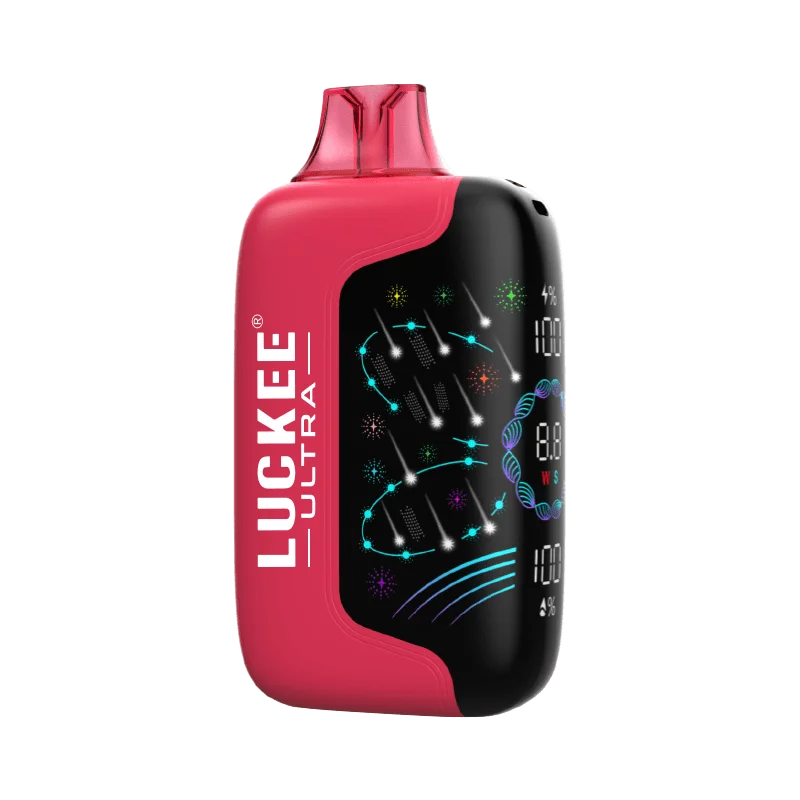
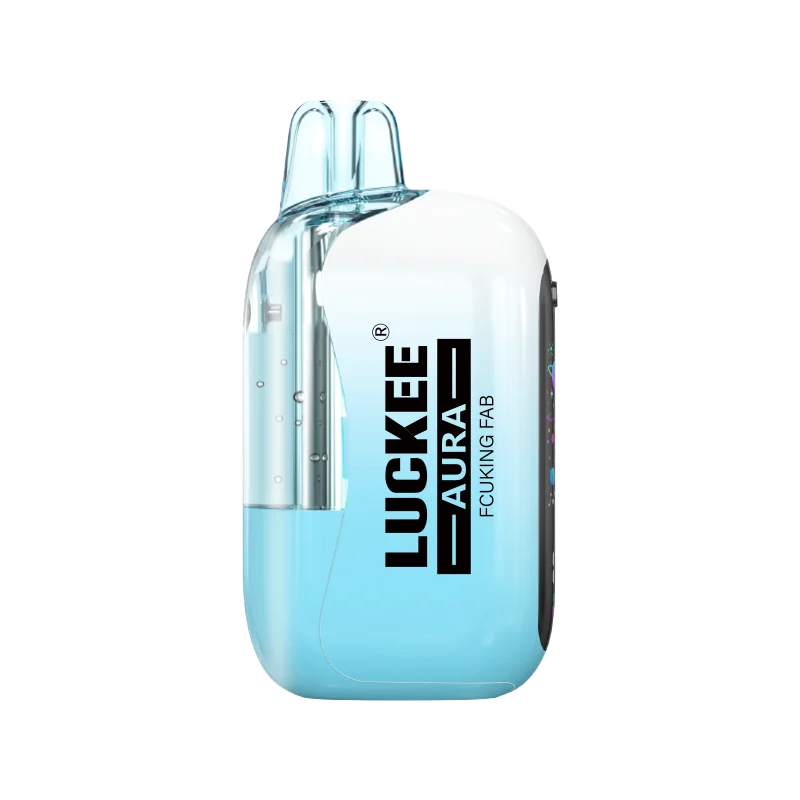
- Disposable devices lead growth. They are the fastest-growing product type and the easiest to trial — which suits a market where many buyers are still switching from cigarettes.
- Mint and ice flavours travel well. Cooling profiles are the consistent best-sellers across North Africa and the Gulf, and Egypt is no exception.
- Price sensitivity is real, and the tax stack rewards high-capacity devices. Because the per-millilitre duty and the per-unit levies hit hard, a product with more puffs per unit spreads the tax over more usage — which is exactly why high-puff disposables do well.
For most importers, the sensible first order is a narrow range of proven disposables rather than a wide catalogue: it keeps your registration and testing workload low while you learn the market.
How do you choose a supplier for the Egyptian market?
The supplier question is the same as anywhere, with Egypt-specific weight on documentation. Run these four checks:
- Can they document Egyptian-standard compliance? Ask for the emissions report, toxicology and MSDS as a routine request. A supplier who cannot produce them is a trading company, not a factory.
- Do they build to a defined standard at the factory? Compliance has to be designed in, not bolted on. This is where OEM/ODM manufacturing with documented quality control separates real factories from resellers.
- Can they supply high-capacity disposable vape devices? Given the tax structure, puff capacity per unit is a pricing variable, not just a feature.
- Do they understand export documentation? You need a factory that can issue the manufacturer’s approval certificate and support your GOEIC paperwork without delaying the shipment. Our guide to importing vapes from China covers the logistics side.
Common mistakes to avoid
- Assuming Egypt is still a banned market. It is not, and has not been since 2022. The “banned” claim traces back to a pre-2022 data snapshot that keeps getting copied.
- Treating registration as an afterthought. Products must be registered against Egyptian standards before sale. Build the timeline in from the start.
- Forgetting the tax stack. EGP 2/ml plus 14% VAT plus a 10% health levy changes your landed cost materially.
- Assuming a Gulf approach will port over. The UAE’s per-SKU certification and 100% device excise are a different cost structure entirely. Egypt’s model is registration, not heavy per-SKU fees.
- Using a supplier who cannot produce emissions and toxicology documents. This is the most common reason a consignment sits at customs.
FAQ
Can foreign companies sell vapes in Egypt?
Yes. Import and commercial sale are legal for licensed importers, and foreign manufacturers can supply the Egyptian market through a registered importer. Your products must be registered against the Egyptian standards before they can be legally sold, and the importer must hold a valid commercial registration.
Is vaping legal in Egypt in 2026?
Yes. Egypt legalised the import and trade of e-cigarettes in 2022 under Ministry of Health Decree 79/2021, and no bill or decree has reinstated the ban. Adults aged 18 and over can buy, carry and use vape products, and the minimum age applies to zero-nicotine products too.
How much tax is on vape products in Egypt?
E-liquid carries an excise duty of EGP 2 per millilitre, charged on nicotine and nicotine-free liquid alike. Devices and disposables carry 14% VAT, and a 10% health insurance levy is deducted per retail unit. Disposables have carried the 14% VAT since 30 May 2024.
What standards do vape products need for Egypt?
The key ones are ES 8205-1/2023 for ingredients, labelling and packaging; ES 8685/2023 (under Ministerial Decree 502/2023) for device electronics safety; and ES 8724/2023 (under Ministerial Decree 498/2023) for display, sale and storage. Products must be registered against these before sale.
Which body handles vape imports into Egypt?
GOEIC — the General Organization for Export and Import Control, under the Ministry of Investment and Foreign Trade — handles import approvals, conformity certificates and contract-sample inspection. Your importer will deal with GOEIC directly.
Is Egypt or the UAE easier to enter for a vape distributor?
Egypt, on friction. The UAE carries a 100% excise tax on devices and per-SKU conformity certification costs of around AED 1,760 (USD 480) plus testing at ISO/IEC 17025-accredited labs. Egypt’s requirement is standards registration rather than large per-SKU fees, which suits smaller catalogues and first-time entrants.
The Bottom Line
The Egypt vape market in 2026 is best understood as a regulated market with a low entry bar — legal since 2022, taxed by the millilitre, and governed by a short list of standards your products must be registered against. The barrier is not a ban; it is documentation.
If you can source from a factory that documents standards compliance and supports your GOEIC paperwork, Egypt is one of the most accessible regulated markets in the region — and one most of your competitors are still ignoring because they still believe the ban is in force. If you want the traveller-side rules — customs, public vaping and the tax rates from a visitor’s point of view — our guide to whether you can vape in Egypt covers that side. For the wider regulatory picture, see how global vape export policy shapes what can ship, and how markets like the UK tax vapes by a very different method.
This guide reflects Egyptian regulations and published standards as of October 2026, compiled from Ministry of Health Decree 79/2021, the ES 8205-1, ES 8685 and ES 8724 standards, and GOEIC import procedures. Rules and tax rates change; verify the current position with the Egyptian Customs Authority, GOEIC and the Ministry of Health before importing. For adults of legal vaping age only. Nicotine is an addictive chemical.