











Can Vaping Help Smokers Quit? Why Experts Support Harm Reduction in 2026
Smoking remains one of the biggest preventable health challenges worldwide. Millions of adults continue to struggle with nicotine dependence, and quitting traditional cigarettes can be extremely difficult—even for smokers who want to stop.
In recent years, discussions around vaping as a smoking cessation tool have changed significantly.
While vaping is not risk-free and should not be promoted to non-smokers or young people, a growing number of researchers, addiction specialists, and public health experts argue that regulated vaping products may have a role in helping adult smokers move away from combustible cigarettes.
The debate in 2026 is no longer simply “vaping is good or bad.” Instead, experts are increasingly focusing on a more practical question:
Can vaping help smokers quit cigarettes, and how should it be regulated?
This article explores the latest perspectives on vaping, smoking cessation, harm reduction, and the future of nicotine regulation.
1. Understanding Vaping as a Smoking Cessation Tool
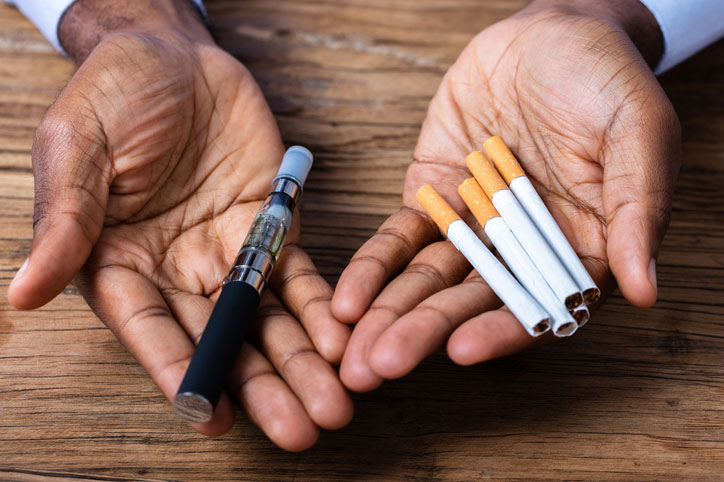
Traditional cigarettes create smoke through tobacco combustion, which produces thousands of chemicals, including many known harmful substances.
Vaping works differently.
Instead of burning tobacco, e-cigarettes heat e-liquid to create an aerosol containing nicotine and flavor compounds.
Because there is no tobacco combustion, many scientists believe vaping exposes users to fewer harmful chemicals compared with smoking traditional cigarettes.
However, experts emphasize an important distinction:
Less harmful does not mean completely harmless.
For adult smokers who cannot quit through traditional methods, vaping may represent a harm reduction option by reducing exposure to cigarette smoke.
2. Vaping vs Smoking: Understanding the Risk Difference
Why Smoking Is Difficult to Quit
Cigarette addiction involves both:
- Nicotine dependence
- Behavioral habits
- Psychological associations
Many smokers struggle because cigarettes become part of daily routines:
- Morning cigarettes
- Social smoking
- Stress-related smoking
- After-meal habits
This combination makes quitting challenging.
How Vaping May Help Some Smokers Transition
Many adult smokers report that vaping helps replace some aspects of smoking behavior:
- Similar hand-to-mouth action
- Nicotine delivery without burning tobacco
- Ability to gradually reduce nicotine intake
- More product choices and preferences
For some smokers, these factors may make switching easier than quitting completely without replacement.
3. Why Some Experts Support Vaping for Adult Smokers
1. Harm Reduction Approach
A key argument from supporters of vaping is based on harm reduction.
The principle is simple:
If someone cannot immediately stop nicotine use, switching from a more harmful product to a potentially lower-risk alternative may reduce overall harm.
This approach is already used in other areas of public health, where reducing risk is considered a practical step toward better outcomes.
2. Evidence From Smoking Cessation Research
Some studies suggest that adult smokers using e-cigarettes may be more likely to attempt quitting compared with smokers who do not use vaping products.
Research continues to examine:
- Long-term health effects
- Effectiveness compared with other nicotine replacement therapies
- Different user patterns
Experts generally agree that vaping should be viewed as a tool for adult smokers—not as a product for people who have never used nicotine.
3. Changing Regulatory Discussions
In 2026, regulators worldwide continue to evaluate how vaping products should be managed.
Many policymakers are moving toward a balanced approach:
- Protect young people
- Control product quality
- Require accurate labeling
- Allow access for adult smokers where appropriate
The future of vaping regulation is increasingly focused on responsible access rather than simple prohibition.
4. The Role of Vape Flavors in Smoking Cessation
Flavor remains one of the most debated topics in the vaping industry.
Critics argue that flavors may attract younger users.
Supporters argue that flavors can help adult smokers transition away from cigarettes by providing alternatives that do not resemble tobacco.
Why Flavors Matter for Adult Smokers
Many adult users prefer:
- Fruit flavors
- Mint flavors
- Menthol flavors
- Beverage-inspired flavors
These options may make switching from cigarettes more acceptable for some smokers.
However, experts agree that:
- Marketing should target adults only
- Youth access prevention is essential
- Products should follow local regulations
5. Addressing Concerns About Youth Vaping
One of the biggest challenges facing the vaping industry is youth nicotine use.
Public health experts emphasize several important measures:
Strict Age Verification
Retailers and online sellers should maintain strong age verification systems.
Responsible Marketing
Brands should avoid:
- Youth-oriented advertising
- Cartoon imagery
- Marketing designed to appeal to minors
Product Compliance
Manufacturers should focus on:
- Quality control
- Accurate labeling
- Regulatory compliance
The future of vaping depends heavily on responsible industry practices.
6. How Vape Regulation May Develop in 2026
Global vape regulations continue to evolve.
Key regulatory trends include:
Product Testing Requirements
Authorities increasingly require:
- Ingredient disclosure
- Battery safety testing
- Manufacturing standards
- Quality verification
Nicotine Control
Many markets regulate:
- Maximum nicotine concentration
- Packaging requirements
- Warning labels
Traceability and Compliance
Future regulations are expected to place more emphasis on:
- Product tracking
- Supply chain transparency
- Responsible manufacturing
For vape companies, compliance is becoming a competitive advantage.
7. What This Means for Vape Manufacturers and Retailers
The changing discussion around vaping creates new opportunities for responsible companies.
Successful vape businesses in 2026 will focus on:
1. Compliance First
Manufacturers should prioritize:
- Regulatory documentation
- Product testing
- Quality management
2. Adult-Focused Product Development
Products should focus on:
- Reliable performance
- Better user experience
- Responsible positioning
3. Education-Based Marketing
Instead of promoting vaping as a lifestyle product, brands should provide:
- Product information
- Safety guidance
- Compliance transparency
Trust will become one of the biggest competitive advantages in the global vape market.
Frequently Asked Questions
Is vaping safer than smoking cigarettes?
Research suggests vaping exposes users to fewer harmful chemicals compared with traditional cigarette smoke. However, vaping is not risk-free and is mainly discussed as a harm reduction option for adult smokers.
Can vaping help smokers quit?
Some adult smokers report successfully switching from cigarettes to vaping. Research continues to evaluate how effective vaping is compared with other quitting methods.
Should non-smokers use vape products?
Health experts generally advise that people who do not use nicotine should not start vaping.
Why do some experts support vaping?
Supporters argue that vaping may help reduce harm for adult smokers who are unable or unwilling to quit nicotine completely.
What is the future of vaping regulation?
Future regulations are expected to focus on product quality, youth protection, manufacturing standards, and responsible adult access.
Final Thoughts: The Future of Vaping and Smoking Cessation in 2026
The conversation around vaping has become more complex.
Rather than viewing vaping only through a positive or negative lens, many experts now consider it within the broader framework of nicotine harm reduction.
For adult smokers who struggle to quit, regulated vaping products may provide another option for reducing dependence on traditional cigarettes.
At the same time, responsible regulation, product quality, and youth protection remain essential.
For vape manufacturers, wholesalers, and retailers, the future market will belong to companies that prioritize:
- Compliance
- Transparency
- Quality manufacturing
- Responsible product development
As scientific research and regulations continue to evolve, vaping’s role in smoking cessation will remain an important global public health discussion.