

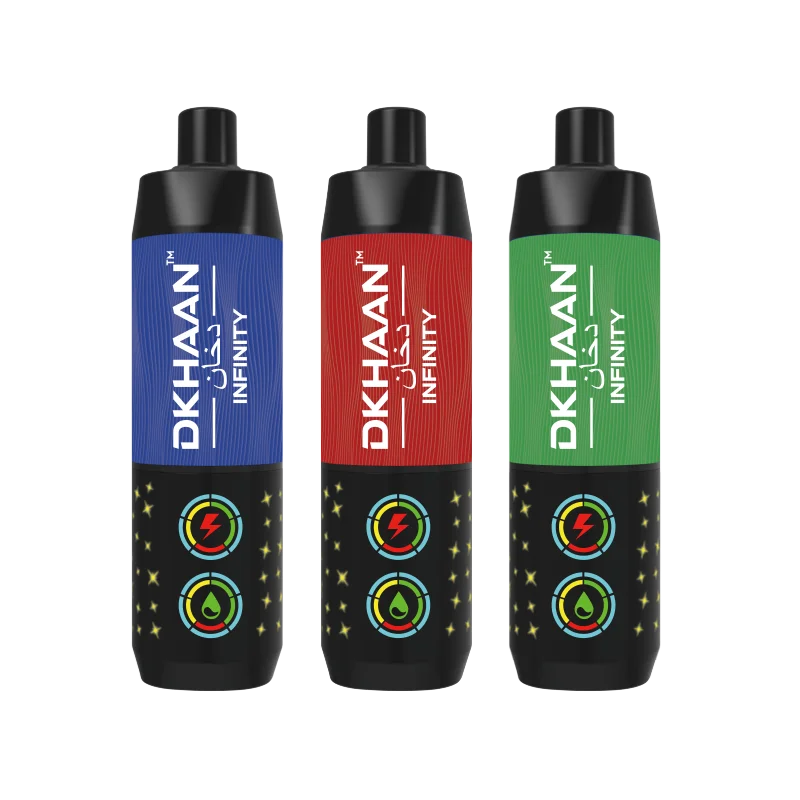
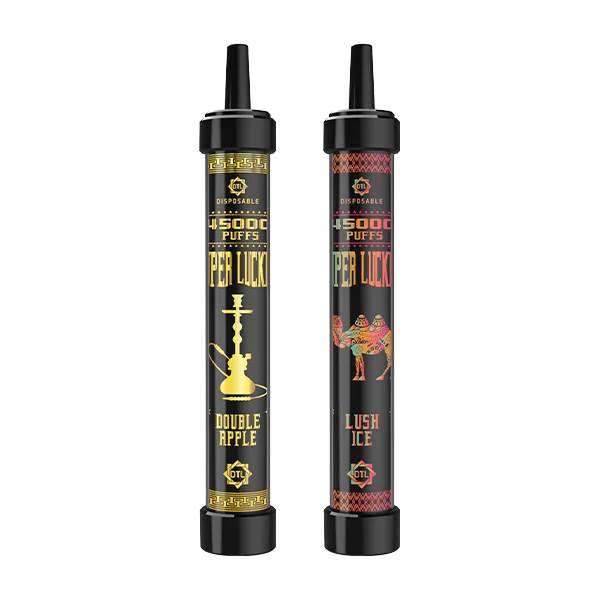



Norwich Backs £5 Vape Deposit Scheme Following Battery Fires
Norwich City Council has backed a proposal calling on the UK government to introduce a refundable £5 deposit on every vape device sold.
The proposal follows a series of fires at waste and recycling facilities where discarded lithium-ion batteries have been identified—or are suspected—as the cause. Because most vape devices contain batteries, throwing them into household rubbish or mixed recycling can create a serious fire risk.
Under the proposed system, consumers would pay an additional £5 when purchasing a vape. The deposit would be returned when the used device was taken back for recycling.
However, the proposal is not currently national law. Norwich City Council cannot independently introduce a UK-wide deposit system. Its motion is a request for central government action rather than a new charge that vape retailers must immediately collect.
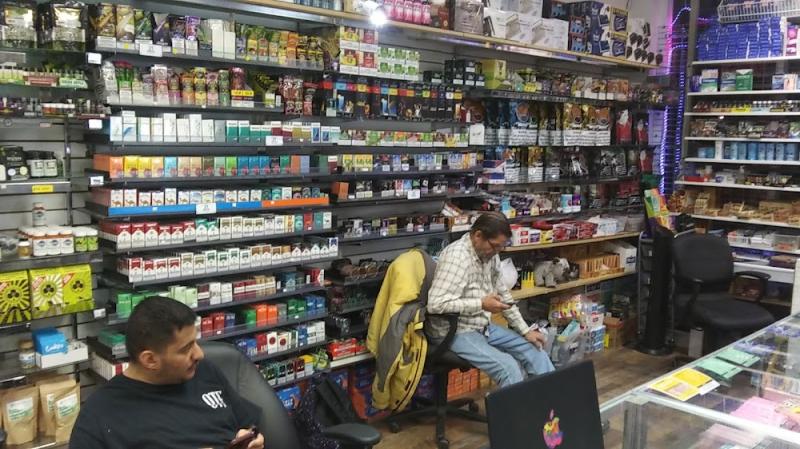
What Has Norwich City Council Proposed?
The motion was debated by Norwich City Council on June 30, 2026.
It calls for a mandatory deposit-return system covering vape devices sold in the UK. Under the suggested model:
- A customer would pay a £5 deposit when buying a device.
- The retailer would record the deposit as part of the transaction.
- The customer would return the used device to a participating collection point.
- The £5 deposit would then be refunded.
- The returned device would enter an appropriate electrical-waste recycling system.
The proposal was tabled by James Wright, a former lord mayor of Norwich and leader of the council’s Liberal Democrat group.
Supporters argue that a financial incentive would encourage consumers to return devices instead of placing them in ordinary waste bins or dropping them as litter.
Is the £5 Vape Deposit Already in Force?
No. Consumers do not currently have to pay a national £5 deposit on every vape purchased in the UK.
The Norwich motion:
- Is a local council policy position
- Calls on national ministers to act
- Does not create UK-wide legislation
- Does not immediately change vape prices
- Does not impose a new legal duty on every retailer
- Does not establish an implementation date
For a compulsory national deposit-return system to be introduced, the UK government would need to develop the relevant legislation or regulations.
Important details would also have to be determined, including:
- Which devices would be covered
- Whether replacement pods would be included
- Who would manage the deposit fund
- How retailers would process refunds
- Whether proof of purchase would be required
- How online purchases would be handled
- Who would pay the recycling costs
- What penalties would apply for non-compliance
Until such rules are introduced, the Norwich proposal remains a political recommendation.
Why Can Discarded Vapes Cause Fires?
Vapes normally contain small lithium-ion batteries. These batteries store significant energy in a compact space.
When a device is placed in household rubbish or mixed recycling, it may be:
- Crushed inside a bin lorry
- Compacted at a waste-transfer station
- Damaged by sorting machinery
- Punctured during processing
- Exposed to heat
- Mixed with cardboard and other combustible materials
Damage can cause the battery to short-circuit and overheat. In some cases, this leads to a process known as thermal runaway.
What Is Thermal Runaway?
Thermal runaway occurs when heat generated inside a battery triggers further chemical reactions, which then create even more heat.
Once the process begins, the battery may:
- Release hot or flammable gases
- Produce smoke
- Ignite nearby waste
- Reignite after appearing to be extinguished
- Spread fire rapidly through combustible material
A vape battery may be small, but it can ignite large quantities of cardboard, plastic, paper or general waste inside a recycling facility.
Lithium-Battery Fires Are Increasing in Norfolk
Norfolk County Council has reported an increase in fires involving lithium-ion batteries.
Norfolk Fire and Rescue Service attended:
- Four lithium-ion battery fires in 2023
- Five fires in 2024
- Ten fires in 2025
That represents a doubling between 2024 and 2025.
The figures are not limited exclusively to vapes. Lithium-ion batteries are also found in products such as:
- Mobile phones
- Laptops
- Tablets
- E-bikes
- E-scooters
- Electric toothbrushes
- Power tools
- Children’s electronic toys
- Mobility equipment
Nevertheless, discarded vapes are a particular concern because millions of relatively small devices and pods enter the waste stream.
Norfolk County Council warns that damaged lithium-ion batteries can start fires that spread quickly. It advises residents not to place batteries or vapes in normal household rubbish or mixed recycling. Norfolk lithium-battery safety guidance
Costessey Fire Raises Local Concerns
The Norwich debate followed a fire at a waste-transfer facility in Costessey, Norfolk.
Norfolk Fire and Rescue Service said the fire was most likely caused by a lithium-ion battery. When battery-powered products enter ordinary waste, compaction and processing equipment can damage their cells.
Although it may not always be possible to identify the exact product after a major fire, incidents of this kind demonstrate why vapes and other small electrical devices require separate collection.
For local authorities, the consequences can include:
- Emergency response costs
- Damage to waste facilities
- Disruption to recycling services
- Vehicle damage
- Contamination of recyclable materials
- Clean-up expenses
- Risks to employees and firefighters
- Air-quality concerns for nearby communities
Supporters of the £5 deposit argue that these costs currently fall heavily on councils, waste operators and taxpayers.
Widnes Recycling Fire Linked to a Disposable Vape
A major fire at a recycling facility in Widnes, Cheshire, provided another example of the risks.
The fire broke out on June 22, 2026, and involved approximately 450 tonnes of material. Around 20 fire engines were deployed at the height of the incident, and firefighters remained at the facility overnight.
Following an investigation, Cheshire Fire and Rescue Service said the fire was most likely caused by a damaged lithium-ion battery from a disposable vape that had been incorrectly placed in general waste or recycling.
The battery reportedly entered thermal runaway, creating intense heat that ignited nearby cardboard. Strong winds then helped the fire spread through the facility.
All people at the site were accounted for, and no casualties were reported. However, the incident was declared a major emergency because of its scale, smoke and potential danger. Circular report on the Widnes fire
Did the UK Already Ban Disposable Vapes?
Yes. It has been illegal for businesses to sell or supply single-use vapes in the UK since June 1, 2025.
The ban applies to:
- Online sales
- Physical shops
- Nicotine-containing disposable vapes
- Nicotine-free disposable vapes
- Free supply and commercial sales
- Devices that cannot be refilled and recharged for continued use
Businesses can still sell reusable vapes that meet the relevant requirements.
According to the government’s guidance, a reusable vape must be rechargeable and refillable as defined by the regulations. Replaceable components must also be available separately where required.
The official rules are explained in the UK government’s single-use vape guidance.
Why Has the Disposable Vape Ban Not Solved the Waste Problem?
The ban reduced legal sales of traditional single-use vapes, but it did not remove every vape battery from the waste stream.
Several factors continue to create problems:
Reusable Devices Are Still Thrown Away
Some low-cost rechargeable vapes may be technically reusable but are discarded after a short period.
Consumers may replace the entire device instead of maintaining it, changing the coil or continuing to refill it.
Pods Also Become Waste
Pre-filled and refillable pods may contain plastic, metal, electrical components or residual e-liquid. They may require separate recycling or safe handling.
Illegal Disposable Sales Continue
Non-compliant single-use products may still reach consumers through unlawful retail channels.
Consumers Do Not Know Where to Return Devices
Many users understand that vapes should not go into an ordinary bin but do not know where their nearest collection point is located.
Recycling Is Less Convenient Than Purchasing
Vaping products may be easy to purchase online or from local shops, while suitable recycling facilities can be harder to find.
A deposit system attempts to address this gap by attaching a financial value to the used device.
Millions of Vapes and Pods Are Still Discarded
Research published by recycling organisation Material Focus in March 2026 estimated that more than 6.3 million vapes and pods were being discarded every week in the UK.
The figure represented a reduction compared with the period before the single-use ban. However, it still placed large numbers of batteries and electronic components into the waste system.
The research also indicated that many consumers remained unaware that vapes could be recycled.
Waste companies reported continuing problems with hidden batteries. When devices are mixed with ordinary rubbish, workers may not identify them before they reach compactors, shredders or sorting machinery.
The issue is therefore not only the number of devices being sold. It is whether consumers have a convenient and well-understood method for returning them.
How Would a Vape Deposit Scheme Work?
A national vape deposit system could operate in a similar way to deposit-return schemes used for bottles and cans.
A possible process would be:
The purpose would not necessarily be to increase the permanent price of vaping. If a customer returned the device, the additional payment would be recovered.
Consumers who discarded or lost the device would lose the deposit.
What Products Could Be Included?
The Norwich proposal reportedly calls for a deposit on every vape device, not only traditional disposable vapes.
A future national scheme might cover:
- Rechargeable vape devices
- Refillable pod kits
- Closed-pod devices
- Vape pens
- Low-cost rechargeable devices
- Heated electronic devices
- Replacement pods containing electrical components
- Illegally sold single-use products recovered through returns
However, the final scope would depend on government legislation.
A policy covering every device could capture reusable models that are discarded early. On the other hand, applying the same £5 deposit to a durable device kept for several years may create practical questions about receipts, refunds and long-term administration.
Would the Deposit Be a New Tax?
Not necessarily.
A refundable deposit differs from a tax or permanent environmental charge.
| Policy | Is the payment refundable? | Main purpose |
|---|---|---|
| Vape deposit | Yes, after eligible return | Encourage collection and recycling |
| Environmental tax | Usually no | Reduce demand or fund environmental measures |
| Retail fee | Usually no | Cover retailer or programme costs |
| Fine | No | Penalise non-compliance |
Calling the proposal a “£5 vape charge” can therefore be misleading. The customer would recover the money if the device were returned under the scheme’s conditions.
However, consumers who failed to return the product would effectively pay an additional £5.
What Responsibilities Do Vape Retailers Already Have?
Vapes are electrical products and can fall within the UK’s waste electrical and electronic equipment framework.
Depending on the size of the business and the way products are sold, retailers may have obligations relating to:
- In-store take-back
- Like-for-like collection
- Providing recycling information
- Registering with an approved scheme
- Supporting collection arrangements
- Handling online sales
- Safely storing returned devices
A deposit scheme could make these responsibilities more visible and increase the volume of devices returned to shops.
Retailers would need clear guidance covering:
- Safe storage of used devices
- Fire-resistant collection containers
- E-liquid leakage
- Customer refunds
- Returns without receipts
- Devices purchased from another retailer
- Fraud prevention
- Collection frequency
- Staff training
- Producer and importer funding
Requiring returns without providing safe storage and frequent collection could transfer additional battery risks into retail premises.
What Would the Proposal Mean for Manufacturers?
If the UK adopted a national deposit-return scheme, vape manufacturers and importers might face new obligations.
These could include:
- Registering products
- Funding recycling operations
- Adding return instructions to packaging
- Using product identification codes
- Reporting sales and return volumes
- Improving battery removability
- Designing products for repair and recycling
- Participating in producer-responsibility schemes
Manufacturers could also face pressure to reduce unnecessary material and make batteries easier for professional recyclers to recover.
Could a Deposit Scheme Reduce Vape Fires?
A deposit system could reduce the number of devices placed in ordinary bins if the refund is large enough and returning a product is convenient.
Its effectiveness would depend on several factors:
- Number of participating collection points
- Consumer awareness
- Refund value
- Ease of returning online purchases
- Retailer compliance
- Treatment of illegal products
- Recycling capacity
- Enforcement
- Availability of return locations in rural areas
A £5 deposit may be large enough to influence consumer behaviour, particularly when it represents a significant portion of the product’s purchase price.
However, a deposit alone would not eliminate every lithium-battery fire. Other battery-powered products would continue to enter the waste stream, and some consumers might still dispose of devices incorrectly.
How Should Consumers Dispose of Vapes Now?
Until any deposit scheme is introduced, consumers should follow existing electrical-waste guidance.
Do Not Put Vapes in Household Rubbish
Vapes should not be placed in ordinary general-waste bins.
Do Not Put Them Loose in Mixed Recycling
Standard household recycling systems may not be designed to handle batteries or electrical devices.
Use a Vape or Electrical Take-Back Point
Consumers can return used vapes to participating retailers or appropriate electrical recycling locations.
Check Local Council Instructions
Collection services differ by area. Some councils provide special arrangements for household batteries and small electrical items.
Keep Damaged Devices Separate
A swollen, leaking, overheated or damaged battery requires particular care. Do not charge or continue using a visibly damaged vape.
Consumers should contact their local authority or recycling provider for safe handling instructions.
How Does the Tobacco and Vapes Act 2026 Fit In?
The Tobacco and Vapes Act 2026 received Royal Assent on April 29, 2026.
It establishes a broad framework covering matters such as:
- Tobacco age-of-sale restrictions
- Vape and nicotine-product regulation
- Retail licensing
- Retail registration
- Advertising and sponsorship
- Product requirements
- Public-use restrictions
- Enforcement powers
The Act does not automatically create the £5 Norwich deposit scheme.
A vape deposit-return programme would require its own legal mechanism or regulations. Whether powers under existing environmental legislation, producer-responsibility rules or the new Act could be used would depend on the government’s chosen approach.
It is also important to remember that many provisions of the Tobacco and Vapes Act require commencement regulations before they become operational.
Frequently Asked Questions
Has Norwich introduced a £5 charge on vapes?
No. Norwich City Council has supported a motion calling for a national refundable deposit. It has not independently introduced a mandatory £5 charge.
Would customers get the £5 back?
Under the proposal, the deposit would be refunded when the used device was returned through the approved system.
Does the proposal only cover disposable vapes?
Reports describe the proposal as applying to every vape device. The exact scope would need to be defined if the government introduced a national scheme.
Are disposable vapes already banned in the UK?
Yes. Businesses have been prohibited from selling or supplying single-use vapes since June 1, 2025. Reusable products that meet the regulations remain legal.
Why are vapes a fire risk?
Vapes contain lithium-ion batteries. When these batteries are crushed, punctured or damaged in waste equipment, they can overheat and ignite surrounding material.
Can I put a vape in a household recycling bin?
No. Vapes should not be placed loose in household rubbish or ordinary mixed recycling. Use an appropriate electrical-waste or retailer take-back point.
Do vape shops have to accept used products?
Retailers may have take-back responsibilities under electrical-waste regulations, but the precise duty depends on factors including business size and sales method. Consumers should check the retailer’s collection arrangements.
Will the UK government introduce the deposit?
No nationwide scheme has yet been confirmed. Norwich’s motion asks ministers to consider one, but further government action and legislation would be required.
Did the Tobacco and Vapes Act create this deposit?
No. The 2026 Act creates extensive regulatory powers, but the proposed £5 return system has not automatically become law through the Act.
Final Thoughts
Norwich City Council’s support for a £5 vape deposit reflects a broader shift in the UK debate. Vapes are no longer being considered only as nicotine products sold at retail. They are also being treated as battery-powered electrical products that create costs and safety risks after disposal.
The UK’s single-use vape ban reduced the availability of legally sold disposable products, but millions of devices and pods continue to be discarded. Rechargeable products, replacement pods and illegally sold disposables can still enter household waste and recycling systems.
A refundable deposit could make used vape hardware financially valuable to consumers and encourage higher return rates. However, its success would depend on nationwide participation, convenient collection points, safe retailer storage and clear responsibilities for manufacturers and importers.
For now, the proposed £5 deposit is not law. The immediate advice remains unchanged: never place a vape or its lithium-ion battery in ordinary household waste or mixed recycling. Return it through a retailer, electrical recycling point or local-authority collection service.
Disclaimer: This article provides general regulatory and recycling information. Businesses should consult official government guidance or qualified advisers regarding their legal responsibilities.