
Belgium 2025–2028 Vaping Regulatory Roadmap: EU’s Pioneer of Full Disposable Vape Ban & Statutory Nationwide Flavour Ban Effective in 2028
Introduction
Having spent a full decade assisting Chinese vape OEM factories and cross-border importers navigating complicated EU national regulatory frameworks, I regard Belgium as the strictest regulatory benchmark in Western Europe’s vaping industry. As the first European Union member state to enforce a complete nationwide ban on all disposable vaping devices starting from January 1, 2025, Belgium has formally locked in a legally binding timeline to eliminate all fruit, menthol, dessert and beverage flavoured nicotine vape products across the whole country by September 1, 2028, making its long-term regulatory roadmap clearer than most neighbouring EU economies such as France, the Netherlands and Germany. Rooted in Belgium’s long-standing strict public health governance and deep cooperation with WHO’s European tobacco control program, the country’s layered regulatory rollout from disposable restriction to upcoming full flavour phase-out is gradually becoming the core reference template for the drafting of EU-wide TPD III legislation currently under discussion at the European Commission.
This article sorts out the complete legal text released by Belgium’s Federal Public Service Health, Food Chain Safety and Environment (FPS Health), law enforcement statistics from Belgian Federal Customs Administration, and the officially approved 2028 flavour prohibition bill passed by Belgian Federal Parliament in May 2026. It systematically unpacks banned product definition, cross-border import penalty standards, updated EU-CEG notification requirements, retail channel constraints and practical compliance suggestions for overseas vape brands aiming at the Belgian market. All analysis combines ten years of real import customs clearance and market landing cases to help manufacturers and wholesale distributors avoid inventory loss and customs seizure risks amid progressive policy tightening.
Chapter 1 Nationwide Full Disposable E-Cigarette Ban Enforced from 1 January 2025
1.1 Legal Scope of Banned Disposable Vaping Products under Belgian Federal Tobacco Law Amendment
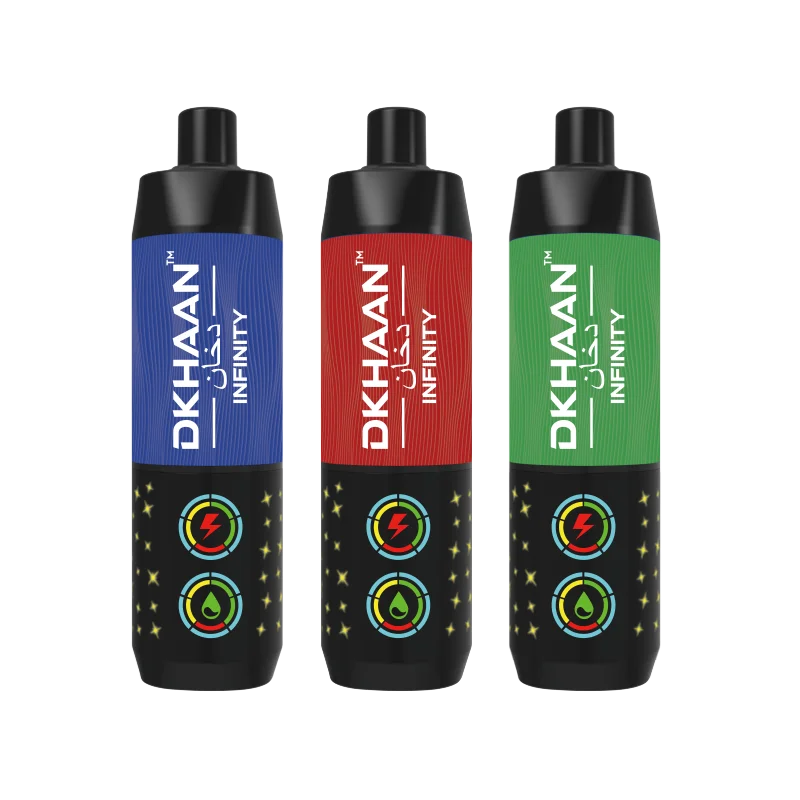
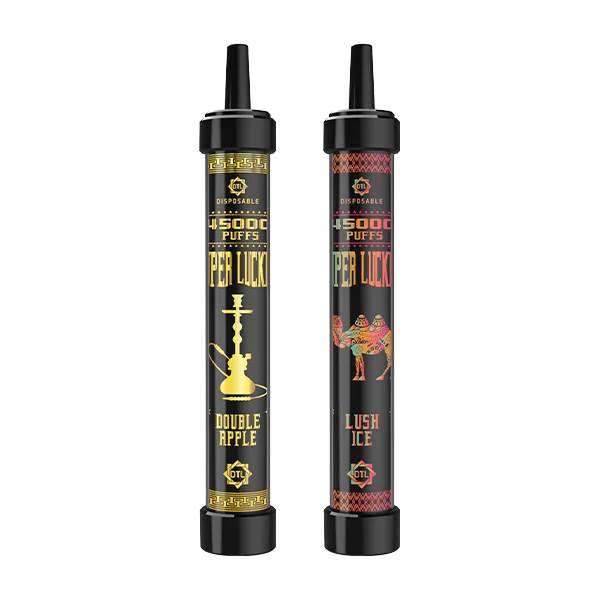
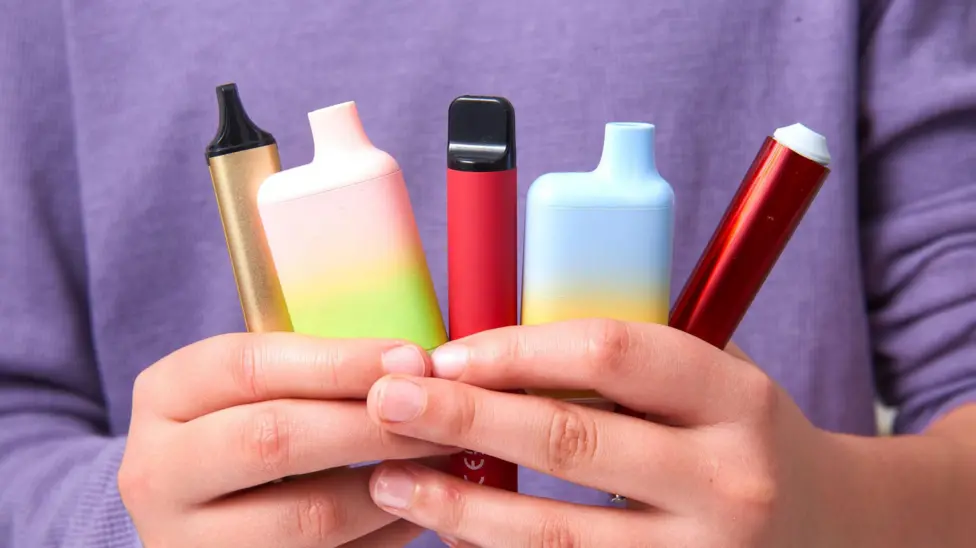
Belgium’s amended Royal Decree modifying national tobacco legislation was officially published on Belgian Official Journal in mid-December 2024, with mandatory enforcement starting on the first day of 2025. Differentiated from France’s partial clause reservation for special medical-use vape equipment, Belgian law applies zero exemption to all pre-filled, non-refillable disposable vape items regardless of nicotine content. Both nicotine-containing disposable puff bars and zero-nicotine disposable electronic cigarettes fall into the prohibited commodity catalogue, covering all-in-one sealed devices with built-in non-detachable lithium batteries which dominated over 42% of Belgium’s offline vape retail market before the ban implementation.
The legislative logic behind the nationwide disposable ban originates from two core government concerns: youth nicotine containment and domestic waste environmental remediation. According to the official youth substance use survey issued by FPS Health in late 2024, around 17.2% of Belgian adolescents aged 12 to 17 have tried disposable flavoured vapes at least once, with fruit and candy flavours being the primary driver of underage first-time trial. Meanwhile, Belgian waste management federation data shows roughly 78 million discarded disposable vapes enter unsorted domestic garbage every year before the ban, triggering over 200 landfill fire incidents caused by damaged lithium batteries annually, forcing Belgian legislators to adopt the strictest full ban instead of partial sales limitation or higher taxation adjustment.
1.2 Import, Wholesale and Retail Penalty Mechanism & Actual Law Enforcement Results (Jan 2025 – May 2026)
Belgium sets multi-level punitive standards for illegal disposable vape circulation covering import merchants, national wholesalers and offline physical retailers. Customs have full authority to seize all inbound disposable vape cargo once inspected at Antwerp, Zeebrugge and other core Belgian seaports; importing enterprises confirmed to intentionally smuggle banned disposable products face administrative fines ranging from 15,000 EUR to 250,000 EUR, while individual offline convenience stores or tobacco shops caught selling leftover disposable stock receive fines starting at 800 EUR for a single violation, and repeated illegal sales lead to permanent revocation of tobacco retail operating licenses issued by local municipal health departments.
From January 2025 to May 2026, Belgian Federal Customs completed targeted special crackdown operations targeting vape parcel and bulk sea freight import, intercepting more than 3.2 million pieces of illegal disposable vapes shipped mainly from Eastern Europe and Southeast Asia. Most detained goods were later destroyed under unified official waste disposal procedures per domestic environmental law. Many small and medium-sized European wholesale companies that previously relied heavily on disposable vape profit have completely exited the Belgian market within one year after the ban, shifting their entire product portfolio toward refillable open-system e-liquid and replaceable closed pod kits compliant with TPD II specifications.
1.3 Post-Ban Grey Market Risk from Cross-Schengen Border Smuggling
Belgium’s geographical location inside the Schengen Area brings persistent cross-border smuggling challenges after the disposable ban took effect. Illegal disposable vape products are frequently transported into Belgian territory via land border with the Netherlands, Germany and France where disposable prohibition rules are not fully implemented nationwide. Belgian local police and customs set up fixed random inspection checkpoints along the country’s three major land borders starting Q2 2025, focusing on small parcel express delivery and private passenger vehicle hidden cargo inspection.
For overseas export manufacturers, randomly shipping mixed compliant refillable pods and banned disposable vapes in one container to Belgian ports has become the top customs clearance risk; once mixed goods are spotted during inspection, the entire container will be detained and related importer will be recorded into national illegal trader blacklist, which will severely affect their subsequent long-term commodity import qualification in Belgium and most Schengen member countries.
Chapter 2 Statutory 2028 Full Non-Tobacco Flavour Ban: Detailed Legislative Timeline and Restriction Boundary
2.1 Parliament Approved Formal Flavour Ban Schedule and Phased Transition Arrangement
In May 2026, Belgian Federal Parliament formally voted to pass the long-debated national e-cigarette flavour restriction bill, confirming a clear phased transition period leading to a total ban on all non-tobacco flavoured vaping goods by September 1, 2028, one of the most forward-looking strict flavour regulations across the whole European Union ahead of the expected TPD III unified EU flavour ban. The transition is split into two core stages to buffer industrial inventory pressure for local retailers and overseas importing brands.
The first transitional phase runs from June 2026 to August 2027: manufacturers and importers can continue to produce and import existing fruit, mint, beverage and dessert flavoured e-liquid and pre-filled pods, but no new non-tobacco flavour SKUs can be newly registered via EU-CEG notification system for Belgian market access. All newly submitted EU-CEG applications targeting Belgium with non-tobacco flavour descriptions will be directly rejected by competent Belgian regulatory authorities from the bill’s effective date.
The second transitional phase spans September 2027 to August 2028: existing registered non-tobacco flavour products are allowed normal wholesale and retail liquidation sales without new bulk import replenishment; after September 1, 2028, any stock of non-tobacco flavoured vape goods stored in warehouses or displayed on retail shelves will be deemed illegal commodities subject to confiscation and corresponding administrative fines. After the deadline, only pure tobacco flavour and unflavoured nicotine e-liquid and closed pods obtain permanent legal market access in Belgium.
2.2 Definition of Restricted Flavours and Packaging Label Regulatory Supplementary Rules
The new Belgian flavour law establishes a broad definition of prohibited non-tobacco flavours, covering all strawberry, mango, grape, cola, energy drink, bubble gum, vanilla, menthol and mint series popular across the European vaping market. Apart from actual liquid flavour composition restriction, packaging text and graphic design also face strict constraints: product outer packages cannot print any fruit, candy or beverage pattern, nor use suggestive flavour-related descriptive words even if the actual e-liquid inside is tobacco-flavoured, a supplementary clause aiming to block indirect flavour marketing loopholes commonly used by vape brands in other EU markets.
This supplementary packaging rule has already started preliminary enforcement supervision from mid-2026; FPS Health’s market supervision team has launched random shelf inspections at Belgian licensed tobacco shops and professional vape stores, ordering merchants to remove all non-compliant suggestive packaging products from sales counters within a specified rectification period.
2.3 Industry Feedback and Local Distributor Inventory Adjustment Progress
Belgian Domestic Vaping Trade Association released a quarterly research report in May 2026 showing nearly 65% of local professional vape retailers have begun gradually cutting purchase orders of fruit-flavoured e-liquid and prefilled pods, increasing procurement proportion of original tobacco flavour products in advance to adapt to the 2028 full flavour ban deadline. Most medium-sized European importers start guiding cooperative overseas OEM manufacturers to slow down non-tobacco flavour formulation development for Belgian customized orders and prioritize tobacco flavour formula optimization.
Chapter3 Updated TPD Compliance, EU-CEG Notification & Retail Channel Supervision 2025–2026
3.1 Stricter EU-CEG Pre-Market Notification Additional Local Filing Requirement
While following the unified EU TPD II core product specification limits (max 20mg/ml nicotine concentration, prefilled pod ≤2ml volume, bottled e-liquid ≤10ml per single container), Belgium adds a unique supplementary local filing requirement for all vape products after finishing EU-wide EU-CEG registration: brand holders or authorized local Belgian importers must submit a simplified domestic product dossier to FPS Health’s tobacco regulatory department within 30 days after successful EU-CEG approval, including local responsible person contact information, domestic warehouse address and after-sales waste recycling plan documents. Products without completed supplementary local filing cannot legally enter Belgian customs clearance procedures even with valid EU-CEG numbers.
Compared with Germany and Spain which only require pure EU-CEG registration for market access, this extra domestic filing raises compliance time and document cost for small-batch importers and small-size vape brands without fixed local Belgian agent companies. Based on ten-year client service statistics, one single SKU’s extra Belgian local filing costs around 320 EUR on average in third-party consulting and document collation expenses.
3.2 Vape Sales Channel Restriction: Progressive Channel Centralization toward Licensed Tobacco Outlets
Belgium has steadily promoted vape product sales channel optimization from 2025 to 2026, gradually limiting e-cigarette retail scope to officially licensed tobacco specialty stores and registered professional exclusive vape shops. Large supermarkets, chain convenience stores and gas station retail counters are required to stop placing bulk vape product endcap shelf display step by step; several major Belgian supermarket chains such as Colruyt and Delhaize have already fully pulled all vaping commodities from store shelves by the end of Q1 2026 following government regulatory guidance.
Online cross-border B2C direct-to-consumer vape sales are also under tighter age verification monitoring: all e-commerce platforms selling goods shipped to Belgium must adopt real-name ID age authentication system before order payment; platforms failing to complete compliant age check mechanism face permanent ban on commodity delivery to Belgian territory.
3.3 Public Place Vaping Regulation Upgrade and Minimum Purchase Age Standard
Consistent with most EU mainstream nations, Belgium maintains a uniform 18-year-old minimum legal purchasing age for all nicotine-containing vape products, and retailers bear full legal responsibility to verify customer identity documents when completing any offline or online transaction. Selling vape goods to minors triggers steep fines and possible business license suspension.
In terms of public space control, Belgian federal government expands indoor no-vaping scope to all closed catering spaces, government office buildings and public transport vehicles in 2026, and continues to discuss municipal-level outdoor terrace vaping ban drafts in Brussels, Antwerp and other core metropolitan areas, aligning local rules with the 2025 EU council non-binding public vaping restriction guidance document.
Chapter4 Practical Compliance Suggestions for Global Vape Manufacturers & Belgian Market Importers
4.1 Product R&D and SKU Layout Planning Matching 2025–2028 Policy Timeline
First, completely halt all disposable vape product development and bulk production plans targeting Belgian market, redirect all disposable-related mould and formula R&D funds into replaceable closed pod system and 10ml standard refill longfill e-liquid complying with TPD II packaging specification. Second, arrange phased SKU adjustment according to the 2028 flavour ban schedule: stop developing new non-tobacco flavoured e-liquid formulas for Belgian registration starting June 2026, and gradually reduce existing fruit flavour bulk production proportion year by year to avoid massive unsellable inventory after 2028 full prohibition takes effect, focusing R&D resource on original tobacco flavour formula improvement to cater to future mainstream market demand. Third, optimize outer packaging design to delete all fruit and candy related patterns and suggestive wording to meet Belgium’s supplementary packaging supervision clauses.
4.2 Import Logistics and Customs Clearance Risk Prevention Tips
Separate Belgian market compliant refillable vape goods and banned disposable products into independent production batches and container shipments strictly; never mix two categories of commodities in the same sea or air freight container to avoid full cargo seizure risk at Belgian ports. Cooperate with qualified local licensed Belgian importers with complete domestic tobacco import qualification and fixed registered warehouse address, to finish mandatory post-CEG domestic supplementary filing smoothly. Regularly follow FPS Health’s monthly updated regulatory bulletin and customs crackdown notice to adjust shipment rhythm in a timely manner when temporary local inspection tightening emerges.
4.3 Long-Term Policy Preparation Aligned with Upcoming EU TPD III Draft
Belgium’s existing disposable ban plus scheduled 2028 nationwide flavour prohibition is highly consistent with the preliminary restrictive direction of EU-wide TPD III draft currently under European Commission negotiation. Brands making long-term layout in the whole EU market can take Belgium’s regulatory standard as advanced compliance reference, pre-laying out tobacco-flavour-focused product matrix for all European markets to reduce repeated reform cost when TPD III formally rolls out across all EU member states after 2028.
Conclusion
As the EU’s regulatory pioneer leading disposable prohibition and upcoming comprehensive flavour restriction, Belgium’s progressive three-year regulatory transition system from 2025 to 2028 sets an important precedent for the whole bloc’s future vaping supervision under TPD III reform. Its policy logic combining youth protection, environmental governance and standardized market management will continuously affect neighbouring Netherlands, Luxembourg and France’s domestic tobacco law revision progress in the next two years. For global vape exporters, actively following Belgium’s clear legal timeline to adjust product structure is the most reliable way to retain long-term legal market share in this high-value Western European market amid the overall EU regulatory tightening cycle.
Reference & Source List
- FPS Health Belgium: Royal Decree on Disposable Vape Ban Official Text, Published Dec 2024
- Belgian Federal Parliament Official Document: 2028 Nationwide Vape Flavour Ban Bill, Approved May 2026 | belgianparliament.be legislation archive
- Belgian Federal Customs Annual Enforcement Report on Vaping Commodities, Statistical Update May 2026 | finances.belgium.be/customs
- Global State of Tobacco Harm Reduction (GSTHR) Belgium Country Regulatory Profile, Updated June 2026
- Belgian Vaping Trade Association Quarterly Industry Market Report Q2 2026 | domestic industry official release