




France 2025–2026 Vaping Policy Full Analysis: Disposable Vape Total Ban, ANSES New Certification Rules & Upcoming Online Retail Restriction Reform
Intro Paragraph
As a compliance practitioner who has served global vape manufacturers and European importers for over ten years, France’s continuous regulatory upgrade on e-cigarettes from early 2025 to mid-2026 has become a landmark case reshaping Western European vape supply chain layout. As one of the top three largest vaping consumption markets within the European Union, France’s policy adjustment always acts as a policy benchmark for Belgium, Luxembourg and other Western EU nations to revise local tobacco laws. The core regulatory shift started with the nationwide legal ban on all non-refillable disposable vaping devices formally enforced on February 26, 2025, followed by the release of ANSES’s landmark 700-page comprehensive vaping scientific evaluation report in February 2026, plus the ongoing legislative debate about nationwide online vape sales prohibition submitted by French Senate in Q1 2026Service-Public.fr. Three core regulatory moves together rebuild France’s market access threshold for imported vape hardware, pre-filled pods and bottled e-liquid, directly changing import inventory planning, product R&D direction and offline & online retail operation logic for thousands of overseas vape brands targeting French territory. This article sorts out full legal clauses, execution details, penalty standards, compliance cost variation and forward-looking policy trends based on official documents published by French Ministry of Health, Ministry of Economy and ANSES, delivering actionable compliance suggestions for cross-border vape importers, OEM factories and local French vape retailers.
Chapter 1 Core Regulation 1: Nationwide Full Ban on Disposable E-Cigarettes Effective Feb 26, 2025 (Law No.2025-175)
1.1 Legal Definition of Banned Disposable Vape Products
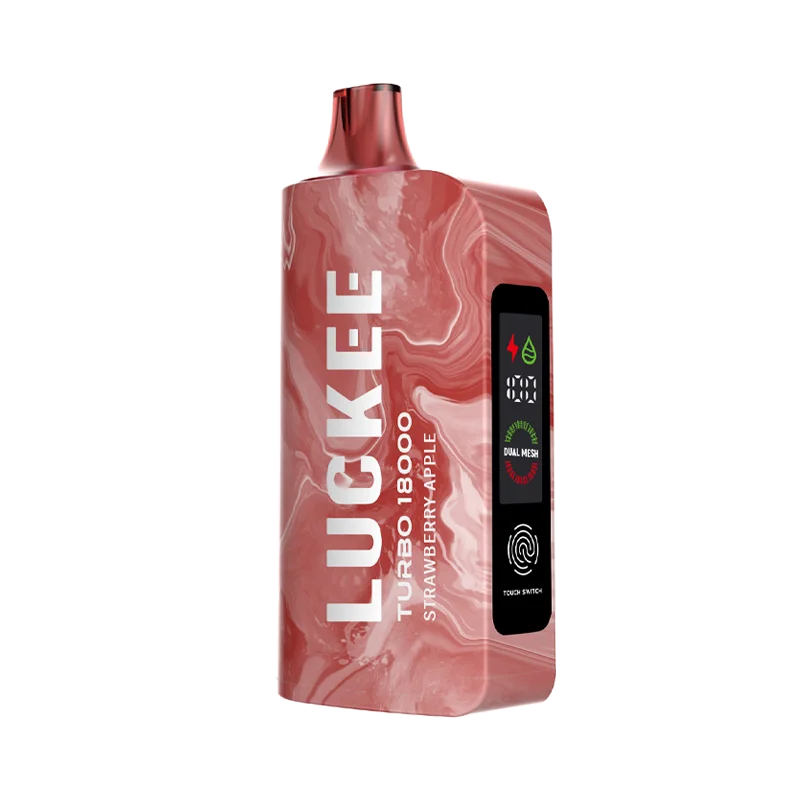
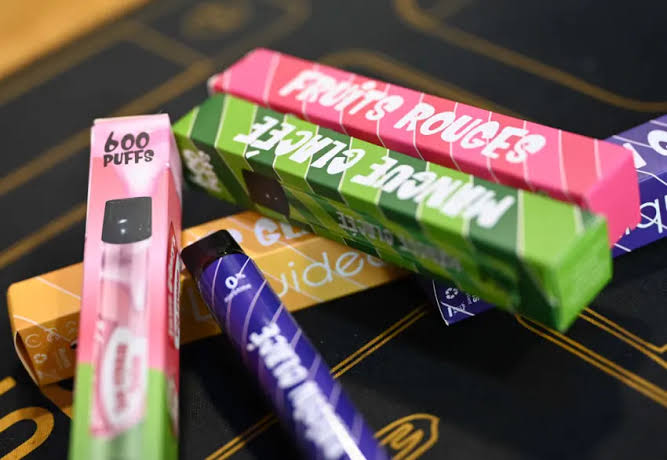
According to formal legal text released on France official government service portal Service-Public.fr, the 2025 disposable vape prohibition targets all pre-filled non-refillable vaping equipment, no matter equipped with rechargeable built-in lithium battery or single-use non-rechargeable battery; zero-nicotine disposable puff products are also fully covered by this ban without any exemption clauseService-Public.fr. Previously, before the legislation took effect in 2024 and early 2025, disposable vapes occupied nearly 38% of France’s whole vaping market share, widely circulated in supermarket shelves, convenience stores, tobacco specialty shops, bar counters and cross-border online retail platforms. French government incorporated this disposable ban into the National Anti-Tobacco Plan 2023–2027, with dual legislative purposes: curbing juvenile nicotine addiction and cutting massive disposable vape environmental pollution caused by waste lithium battery discarding.
French public health department quoted national adolescent tobacco survey data from French Anti-Tobacco Alliance: around 15% of local teenagers aged between 13 and 16 had used disposable puff vapes before the ban implementation; colourful appearance, diversified fruit, candy and beverage flavours greatly lower teenagers’ trial threshold of nicotine products, easily leading underage users to shift into traditional combustible cigarette consumption later. From environmental governance perspective, annual over 120 million discarded disposable vapes flow into French domestic domestic waste system, most abandoned lithium batteries trigger hidden fire risk in landfill and waste incineration plants, pushing policymakers to accelerate full legal ban schedule instead of partial restriction.
1.2 Prohibited Business Behaviours & Strict Legal Penalty Rules
The law explicitly forbids five types of commercial operations regarding banned disposable vapes: domestic production in France, import customs clearance for commercial sales, nationwide wholesale distribution, offline & online retail sales and free promotional giveaways for marketing purposes; merchants cannot stockpile disposable puff inventory for future sales either, and customs will confiscate all inbound disposable vape cargo after Feb 26, 2025.
Penalty setting reaches strict level among all EU member states: individual private sellers violating the ban face maximum fine up to €100,000, while formal corporate importers, brand operators and large wholesale distributors will be imposed administrative penalty capped at €300,000 once confirmed illegal trading of disposable vapes. France DGCCRF (Directorate-General for Competition, Consumer Affairs and Fraud Control) under Ministry of Economy takes charge of daily market spot-check and law enforcement inspection; from March 2025 to May 2026, French market supervision authority has completed over 18,700 random inspections across nationwide retail channels, shutting down more than 1,200 offline physical shops and 378 illegal cross-border e-commerce online stores still selling banned disposable products, with total accumulated fines exceeding €42 million in statistical data.
1.3 Post-Ban Market Structure Change & Supply Chain Adjustment Reality
After the ban landed, French disposable vape import volume plunged by over 82% year-on-year within the first 12 months according to French Vape Industry Association’s quarterly market report; global OEM manufacturers previously focusing on French disposable orders transferred most production capacity to refillable open-system e-liquid and replaceable closed pod products, which become mainstream market growth track in France 2025–2026. Meanwhile, illegal smuggled disposable vape inflow from Spain, Poland and Eastern EU border countries rises moderately, forming small-scale grey market, pushing French customs to strengthen Schengen border cargo screening for hidden disposable vape goods in parcel and bulk sea freight.
Chapter2 Core Regulation2: ANSES 2026 Comprehensive Scientific Report & Updated E-Liquid Ingredient Compliance Certification Standards
2.1 Background of ANSES’s February 2026 Official 700-Page Vaping Evaluation Report
ANSES (Agence nationale de sécurité sanitaire de l’alimentation, de l’environnement et du travail), France’s top official food, environment and health safety authority, published its long-awaited full scientific assessment report on national vaping market on February 4, 2026 after one-year data collection and laboratory testing starting late 2025. This report becomes core scientific basis guiding France’s subsequent vape ingredient supervision, taxation draft and additive restriction legislation, also providing reference for EU-wide TPD III draft discussion within European Commission working group.
The most influential core conclusion of the report confirms the internationally recognized tobacco harm reduction principle: regulated nicotine vaping products carry far lower health hazard compared with traditional combustible tobacco cigarettes, yet e-cigarettes are not completely risk-free, requiring continuous strict ingredient and emission control instead of comprehensive nationwide vape prohibition policy. This scientific result directly made French government abandon the previously proposed nationwide unified e-liquid excise tax draft originally listed in 2026 national budget bill in January 2026, suspending planned special vape taxation for at least 2–3 years, different from Germany’s fixed per ml e-liquid tax enforcement starting Jan 2026.
2.2 New Restricted Additive List & Updated Product Testing Compliance Requirement
Based on ANSES’s laboratory aerosol detection data, French health department supplemented a new prohibited ingredient list attached to France Public Health Code Article L3513-7, adding nornicotine, 6-methyl-nicotine and over 27 types of high-sensitization synthetic flavour additives into banned raw material catalogue for domestic sold e-liquid and pre-filled pods from Q2 2026. Any finished vape products containing above restricted substances cannot pass EU-CEG pre-market notification and cannot obtain French domestic market access qualification.
For compliance cost changes: previously medium-sized e-liquid factory only needed basic TPD II chemical testing for EU-CEG declaration; after ANSES new rules take effect, manufacturers must add extra aerosol harmful substance emission testing, DIY mixing raw material safety detection and long-term inhalation toxicology auxiliary test, which raises single SKU testing cost from average €2,100 to €3,800–€4,500 per product variant, increasing compliance expense for small and medium-sized vape brands significantly. ANSES also reminds market supervision department to strengthen surveillance on informal DIY e-liquid circulating market: nearly half of French adult vapers prepare homemade mixed e-liquid via loose base nicotine and bulk flavour raw materials purchased online, unregulated DIY formulation brings uncertain inhalation safety risks, prompting tighter online raw material retail control in upcoming policy adjustment.
2.3 ANSES’s Forward-Looking Advice for Future French Vape Regulatory Direction
In policy suggestion part of the report, ANSES submits three targeted recommendations to French Ministry of Health: first, steadily push forward gradual fruit & sweet flavour restriction legislation matching upcoming EU TPD III unified standard; second, improve extended producer responsibility (EPR) regulation for all vape hardware waste recycling, unify nationwide discarded pod and empty e-liquid bottle recycling standard; third, retain legal online sales of compliant refillable vape temporarily while setting stricter real-name age verification mechanism for e-commerce platform, instead of one-off complete online sales ban as extreme option. Most of these suggestions will be absorbed into French new tobacco law revision draft from late 2026 onwards.
Chapter3 Core Regulation3: Pending National Online Vape Sales Ban Bill & Existing Advertisement & Public Vaping Restriction Rules
3.1 Progress of Senate’s Online Vape Prohibition Bill Submitted Early 2026
Senator Hervé Maurey formally submitted a legislative proposal to French Senate on February 19, 2026 aiming to fully ban nationwide online retail of all nicotine-containing vaping products, including bottled e-liquid, closed replacement pods and open vape devices, only allowing legal physical tobacco shops and licensed exclusive vape stores to complete offline transactions after strict customer age verification. The bill is currently under standing committee discussion, expected to finish full parliamentary voting procedure within late 2026 to early 2027.
If the bill gets final approval and becomes valid law, France will follow Austria’s April 2026 regulatory route to cut off all cross-border B2C vape online import channels, forcing numerous Chinese overseas cross-border e-commerce vape sellers to exit French market and shift inventory to Germany, Spain and other nations with looser online sales policy temporarily. Industry negotiation groups representing European vape retailers are actively lobbying relevant parliament members to modify bill content, proposing a compromised plan: keep qualified certified e-commerce platforms operating under enhanced real-name ID check rather than total ban, referring to ANSES’s moderate regulatory advice released in February 2026.
3.2 Mature Existing Vape Advertising Restriction & Public Place Vaping Ban Rules
Long before 2025’s disposable ban, France has already enforced strict nationwide vape marketing control following transposed TPD II domestic law: all mainstream media (TV, radio, newspaper, outdoor billboard) commercial advertisement for e-cigarettes is permanently prohibited; social media influencer sponsored unboxing, short-video promotion and paid brand marketing are illegal behaviours, only allowing product information display inside licensed physical vape retail shops without exaggerated appealing wording or juvenile-oriented cartoon packaging design.
For public usage regulation, vaping activity is banned in all primary & secondary school premises, indoor closed public transport (metro, intercity train, bus), full-enclosed office working areas and indoor children entertainment venues according to French Public Health Code Article R3515-2 ~ R3515-9; site managers failing to post obvious no-vaping warning signs face administrative fine up to €450, while individual vaper caught using vape in forbidden public space receives on-site fine ranging €50–€150 per violation. Open-air outdoor catering terraces remain legal vaping area for now, but related restriction expansion proposal is under local municipal government discussion in multiple large cities including Paris, Marseille and Lyon.
3.3 Fixed 18+ Minimum Purchase Age & TPD II Basic Product Specification Compliance
French legal purchasing age for all vaping products maintains 18 years old uniformly, retailers have legal obligation to verify customer’s identity document before completing any vape transaction either offline or online; selling vape goods to underage consumers triggers fine and business license suspension punishment. Meanwhile all compliant vape items sold in France must follow EU TPD II unified technical standards: maximum nicotine concentration capped at 20mg/ml for e-liquid, pre-filled closed pod tank volume limited below 2ml, loose bottled e-liquid container no more than 10ml per single unit, all packaging must carry standardized health warning graphic covering required surface proportion and complete ingredient list. Zero-nicotine vape previously enjoyed partial notification exemption gradually gets stricter EU-CEG reporting requirement under ANSES’s new supervision proposal in 2026.
Chapter4 Comprehensive Compliance Suggestions for Global Vape Brands & Importers Entering French Market (10-Year Industry Practitioner Practical Advice)
4.1 Product R&D Adjustment Direction Based on Current French Legal Boundary
First, completely terminate all disposable puff product development and bulk production targeting French market, shift R&D investment toward replaceable pod system and 10ml long-fill bottled e-liquid complying with TPD II size specification; moderately reduce high-sugar fruit, candy-flavour SKU proportion to reserve tobacco original flavour and neutral unflavoured product layout in advance to cope with potential national flavour ban following TPD III rollout in future. Second, reform e-liquid raw material purchasing standard to eliminate ANSES-banned nicotine derivatives and restricted synthetic additives, arrange third-party authorized laboratory to finish updated full-component testing before submitting new SKU EU-CEG notification to avoid customs clearance rejection after cargo arrives at French port.
4.2 Import, Wholesale & Channel Layout Risk Avoidance Tips
For overseas importers, strictly separate disposable vape inventory and compliant refillable product warehousing management to prevent illegal mixed shipment leading to full cargo confiscation penalty; suspend large-scale online e-commerce stocking plan temporarily while waiting final voting result of the pending nationwide online sales ban bill, prioritize cooperating with local licensed French tobacco shop chains and professional offline vape retail distributors as core sales channels. Regularly track DGCCRF’s monthly market enforcement bulletin to adjust regional stock allocation and prevent sudden local policy tightening causing unsalable inventory loss.
4.3 Tax & Long-Term Policy Forward Layout
At present France still doesn’t impose special excise tax on e-liquid different from Germany’s €0.32/ml specific tax standard, only collecting standard domestic VAT at 20% for all imported vape finished goods, yet importers need to reserve sufficient floating capital for possible future tax hike after TPD III and EU unified tobacco tax directive take effect in coming years. Keep close communication with French local vape industry association to obtain first-hand legislative consultation information on upcoming packaging plain-pack reform and waste EPR recycling obligation, realizing early compliance transformation ahead of formal law implementation timeline.
Conclusion
France’s two-year continuous regulatory tightening from disposable ban to ANSES ingredient certification upgrade and pending online retail restriction perfectly represents EU mainstream tobacco governance logic balancing juvenile protection, public health and environmental protection. As a core reference market for Western European vape policy evolution, France’s regulatory trend will continuously radiate Belgium, Switzerland, Luxembourg and surrounding EU member states’ law revision work throughout 2026–2028. For global vape manufacturers and cross-border importers, grasping real-time update of French official legal clauses, adjusting product structure and channel layout proactively is the core premise to sustain stable legal operation inside French territory amid EU’s overall strict regulatory wave driven by TPD III preparation and unified excise tax reform.
Reference & Source List
- Service-Public.fr (French Prime Minister Legal Information Directorate): Disposable Vape Ban Official Notice, 26 Feb 2025
- Ministère de l’Économie Française DGCCRF Official FAQ on E-Cigarette Regulation, Updated May 2025
- ANSES Official Full Scientific Report on French Vaping Market, Published 04 Feb 2026 | ANSES France official release database
- Global State of Tobacco Harm Reduction (GSTHR) France Country Vape Policy Profile, Updated Nov 2025
- 2FIRSTS Industry News: France ANSES Regulatory Recalibration Report, 23 Feb 2026