Almost none. If you are looking for a vape that was genuinely manufactured in the United States — hardware, electronics and liquid — the honest list is very short, and the best-known name on it is currently being questioned by federal regulators. Nearly every vape you can buy, including brands with American-sounding names, is built in Shenzhen, China. What genuinely survives on US soil is e-liquid, not devices.
Here is the one-line version: an American brand is not an American-made product, and in 2026 that difference has stopped being a technicality.
The Short Answer
- Hardware: effectively Chinese. The device industry runs on a Shenzhen supply chain.
- E-liquid: the one component you can reliably find made in America.
- New “American-made” disposables: largely a 2026 marketing wave, and the FTC is now asking for paperwork.
What Does “Made in USA” Actually Have to Mean?
Before you can judge any brand’s claim, you need the legal definition — because it is much stricter than most people assume.
The US Federal Trade Commission allows a company to say “Made in USA” only when “all or virtually all” of the product is domestic. In practice that means the final assembly or processing happens in the US, all significant processing is American, and all or virtually all components are made and sourced in the US. Foreign content is allowed only at a de minimis level.
The consequence is blunt: filling, packaging, assembling or designing something in America is usually not enough. A rechargeable disposable vape with a Chinese battery, chip, coil and shell does not qualify just because the liquid was added in California. And “Built in USA” is treated exactly like “Made in USA” — swapping the verb is not a loophole. Even a flag, a US map outline or a hashtag can count as an implied origin claim.
| Label on the box | What it legally requires |
|---|---|
| Made in USA | Final assembly + all significant processing + all or virtually all components, US |
| Built in USA | Same standard as “Made in USA” — no shortcut |
| Assembled in USA | Substantial assembly and last substantial transformation in the US; simple “screwdriver” assembly does not qualify |
| Filled in USA | A single, specific process — truthful and clearly limited to filling |
| Designed in USA | A single, specific process — limited to design only |
| No origin statement at all | Imported goods normally require country-of-origin labelling; a missing label is a red flag |
Mislabeling under the FTC’s Made in USA Labeling Rule carries civil penalties of up to $53,088 per violation.
American Brand vs Made in America: The Distinction Everyone Mixes Up
Most of the biggest names in vaping are American companies selling hardware made in China. That is not deception by itself — it is the normal structure of the industry — but it is exactly where shoppers get misled.
| Brand type | Where the company sits | Where the device is made |
|---|---|---|
| Vuse (R.J. Reynolds), NJOY, JUUL, Logic | US-owned (or US-operated) | Hardware overseas, largely China |
| Elf Bar, Lost Mary, Geek Bar, RAZ, SMOK | Shenzhen, China | Shenzhen, China |
| Fifty Bar, Reign Bar, One Tank, Maxus Star | US- or HK-linked corporate entities | Claimed US; some disputed or unverified |
So when you look up the best-known vape brands in the US, you are usually looking at American marketing, not American manufacturing. The two questions have different answers.
Why Almost No Vapes Are Made in America
Two structural forces, not laziness, keep production overseas.
The supply chain is concentrated in Shenzhen. Batteries, chipsets, mesh coils and injection-moulded shells are all produced most cheaply and most reliably in one region. Vape hardware manufacturing has decades of OEM depth there. Rebuilding that ecosystem in the US would multiply retail prices.
PMTA economics punish new US lines. Selling a vape legally in the US requires a marketing authorisation that typically costs millions per product and takes years. Brands rationally use proven, already-authorised overseas factories rather than gamble on new domestic lines that would each need their own approvals.
The 2026 “Made in America” Wave — and What’s Behind It
Here is the part most articles miss. The American-flag disposables you have started seeing on shelves are largely a 2026 phenomenon, and a marketing one.
According to a Reuters analysis published in April 2026, at least eight new vape brands emphasising American manufacturing credentials appeared on US shelves since October 2025 — and none of them holds FDA marketing authorisation. At least two trace back to Chinese or Hong Kong ownership. Reuters could not verify where either device is actually made:
- Maxus Star markets itself as “Vape American” with a “built in the USA” stamp. The brand is owned in the US by Hong Kong-based Rivermountain (H.K.) Tech, which also holds Chinese trademarks for sub-brands of Shenzhen manufacturer Freemax.
- One Tank prints an American flag and “made in USA” on its packaging. It is controlled by a representative of Shenzhen Onevape Technology.
The logic is not hard to read. With US tariffs and customs seizures targeting Chinese-labelled disposables, a Barclays analyst quoted by Reuters suggested these brands are betting that American branding makes a shipment less likely to catch a customs officer’s eye. Tellingly, Chinese vape exports to the US exceeded $4 billion in 2025 with no decline — the supply chain did not move; the labelling did.
There is a genuine domestic move inside the trend. US company Charlie’s Holdings opened its first American factory in December 2025 to fill a disposable with e-liquid — but its devices are still produced by a Chinese manufacturing partner. That hybrid model, imported hardware plus domestic filling, is the most realistic version of “Made in America” this category can currently support.
Which US-Origin Claims the FTC Is Now Questioning
On July 6, 2026, the FTC sent warning letters to seven companies over questionable “Made in the USA” claims. Three were vape-related, and they include the brand most often named as America’s only domestic disposable:
| Company | Brand | Statements the FTC cited |
|---|---|---|
| Lucky Bar Holdings LLC | Fifty Bar | “BUILT IN THE USA”, “The Only Disposable Built in the USA”, “Proudly made in the USA” |
| NebTech Inc. | Reign Bar | “Made in USA”, “#MadeinUSA”, “Built in the USA” |
| My Vape Order, Inc. | Air Factory | “AMERICAN MADE”, “Made in America” |
In each letter, FTC staff said available information suggested the product may have been imported in whole or in significant part despite the unqualified US-origin messaging.
What the letters do establish is that origin marketing is now a second compliance surface for vapers and vape brands — one where the evidence regulators want is supply-chain paperwork, not lab data.
Does “FDA Authorized” Mean “Made in USA”?
No — and the confusion between these two ideas is the most expensive one in this article.
FDA authorisation is about whether a specific product passed the agency’s public-health review. It says nothing about where that product was made. The FDA has said plainly that selling an unauthorised vape is illegal regardless of where it is manufactured.
As of August 28, 2026, the FDA lists 48 authorised e-cigarette products, from five manufacturers: Glas, JUUL, Logic, NJOY and R.J. Reynolds (Vuse). You can check the full, name-by-name breakdown on our FDA-authorized vape list. Authorised products are overwhelmingly tobacco- and menthol-flavoured, and they are not automatically American-made.
Why This Is Now a Legal Question, Not Just a Marketing One
In most states, country of origin is a labelling question. In Texas, it is a legality question.
Texas Senate Bill 2024, signed on June 20, 2025 and effective September 1, 2025, prohibits the sale, marketing and advertising of an e-cigarette product that is wholly or partially manufactured in China or another “foreign adversary” country — or that is marketed as being manufactured there. The current adversary list covers China, Cuba, Iran, North Korea and Russia. The same law bans cannabinoid, kratom, kava, mushroom and alcohol vapes, and disguised or novelty devices.
Two details decide how much this matters to you:
- US-made nicotine products are exempt. Overnight, origin became a competitive advantage for domestic manufacturers — and a commercial problem for everyone else.
- The China-origin provision is under active legal challenge from industry plaintiffs, so the picture can still shift.
For a US retailer or a buyer sourcing for the American market, this is the single most important reason the “what vapes are made in the USA” question stopped being academic. Other states regulate a different lever entirely — vape taxes in the United States vary widely and keep rising — but Texas is the one that turns origin itself into the rule.
Where US Manufacturing Actually Survives: E-Liquid
If you want a genuinely American-made component, look at the juice, not the device.
US labelling law requires the manufacturer’s name and address on every bottle, so this is verifiable in a way that device claims often are not. Long-established American e-liquid producers include Beard Vape Co., Naked 100, Candy King, Cloud Nurdz, Keep It 100, Pod Juice and INNEVAPE. The reason is structural: blending liquid is a mixing process, not an electronics assembly line, so domestic production is far easier to sustain.
How to Verify Where a Vape Was Actually Made
You do not have to trust the marketing. Five checks, in order of reliability:
- Read the device, not just the box. Country-of-origin stamps are usually printed on the hardware itself as well.
- Look for a named manufacturing location. “Designed in California” or “global supply chain” is an answer that avoids the question.
- Check for a US e-liquid partner you can verify independently. A named juice maker is a concrete, checkable fact.
- Ask the brand a direct question: “Where is your manufacturing facility?” Vague answers tell you what you need to know.
- Separate the two claims in your head. FDA authorisation and US origin are different things — confirm each on its own.
And if a brand leans on an American flag without a country-of-origin statement anywhere, treat the flag as decoration.
If You’re a Brand or Buyer: What This Means
This is where the “made in USA” question changes from curiosity to economics.
If your customers, your state law or your import strategy require a genuinely US-manufactured device, understand what you are actually buying: a very small supply base, higher unit costs, and a manufacturer whose origin claims you should be able to substantiate in paperwork before you repeat them on your own listing. Distributors and retailers inherit the legal exposure of the claims they publish, so ask for component-level sourcing records rather than accepting supplier copy.
If instead you are optimising for cost, scale and production flexibility, Shenzhen remains the centre of the industry for a reason. Most disposable vape brands that reach US shelves — and virtually all of the top-selling ones — are built there.
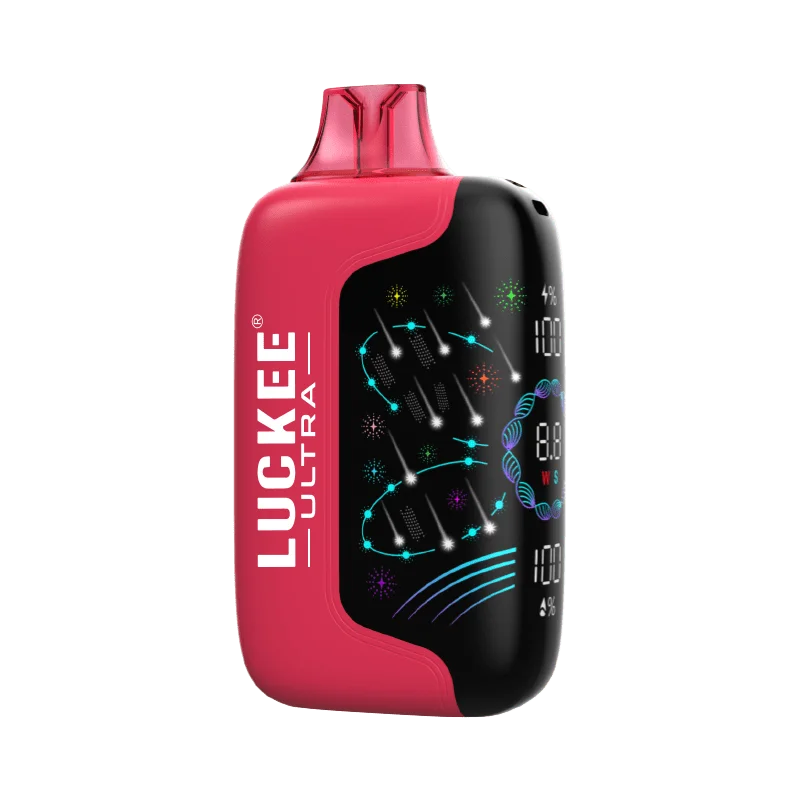
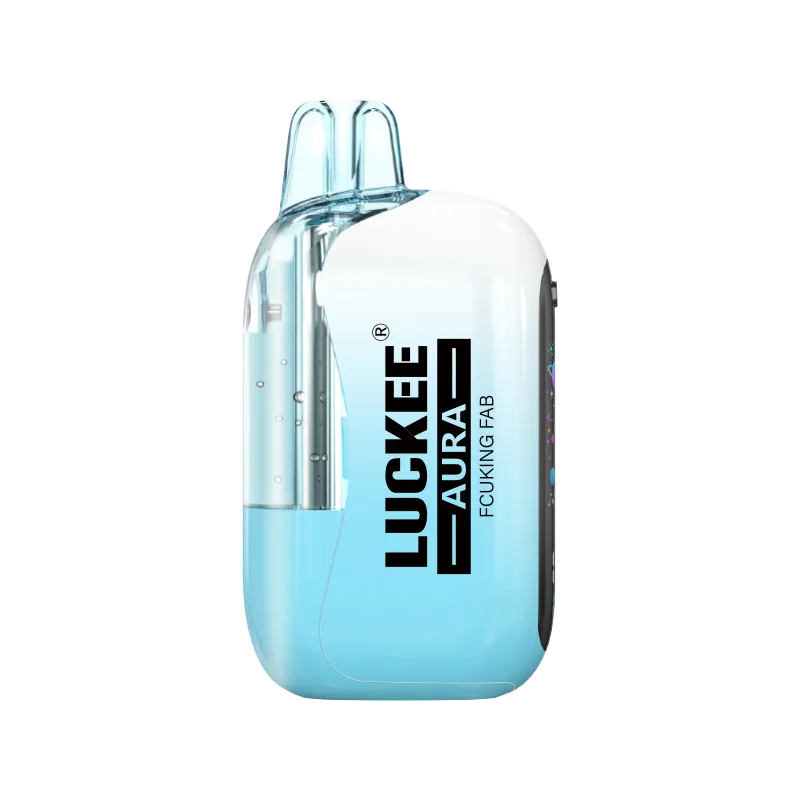
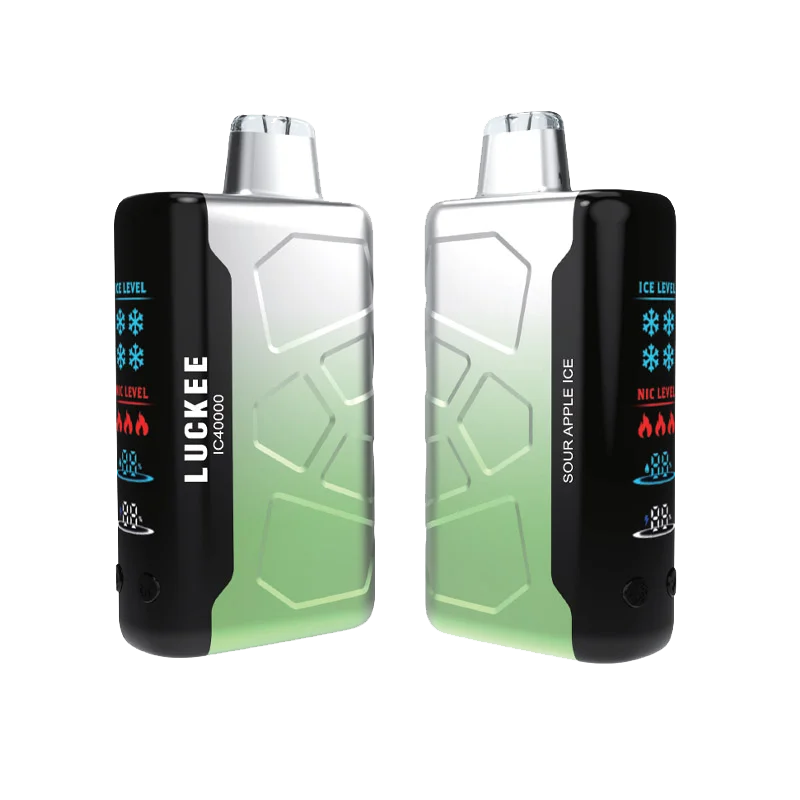
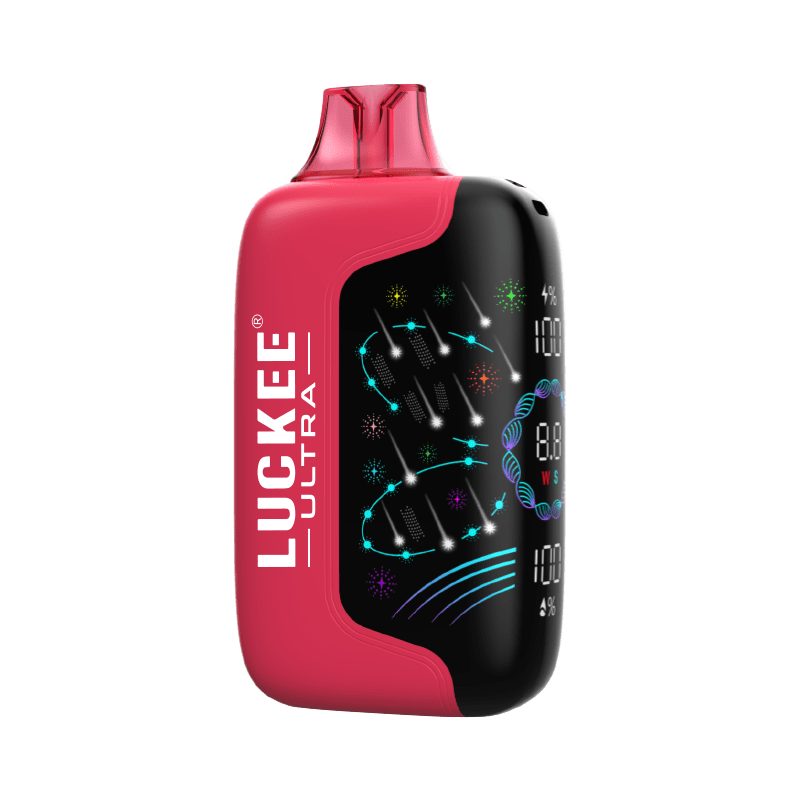
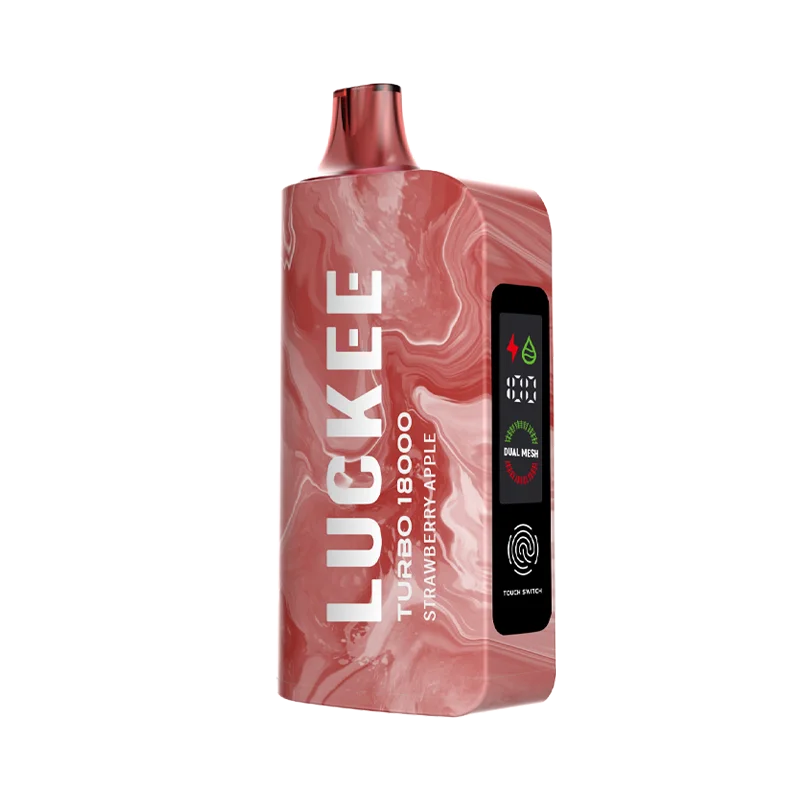
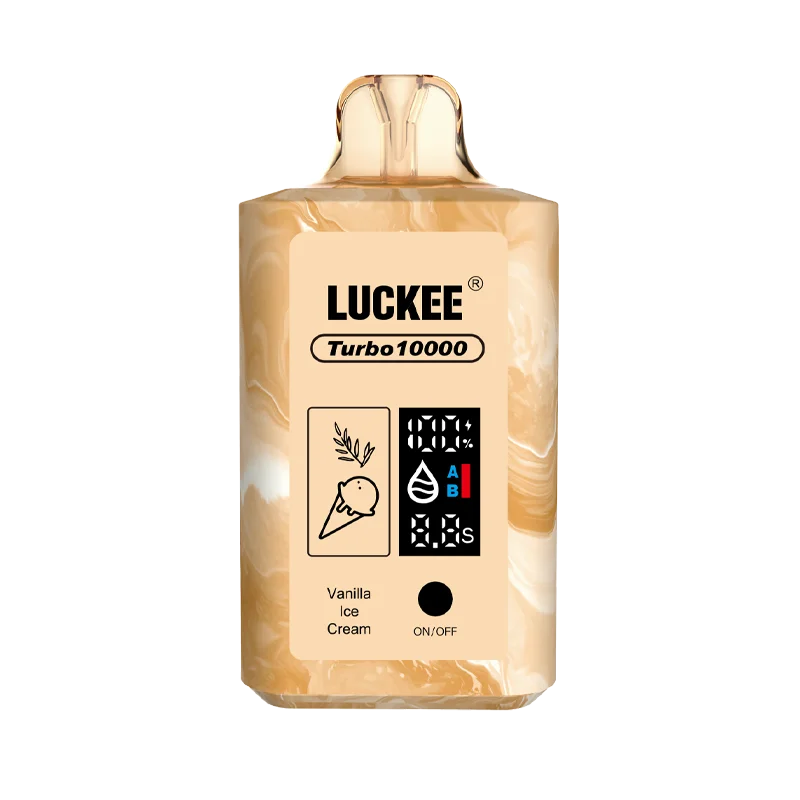
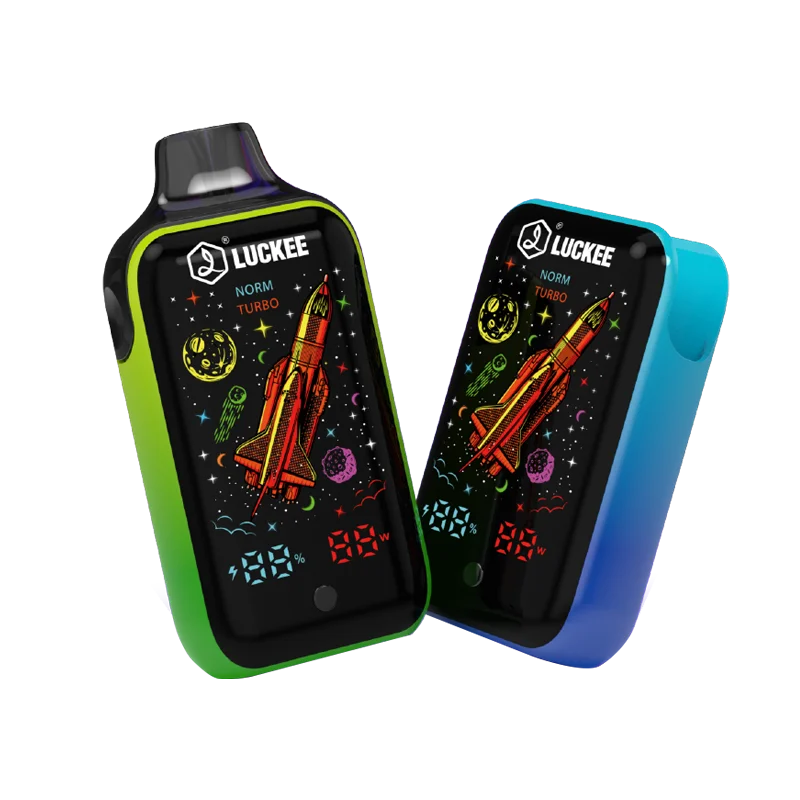
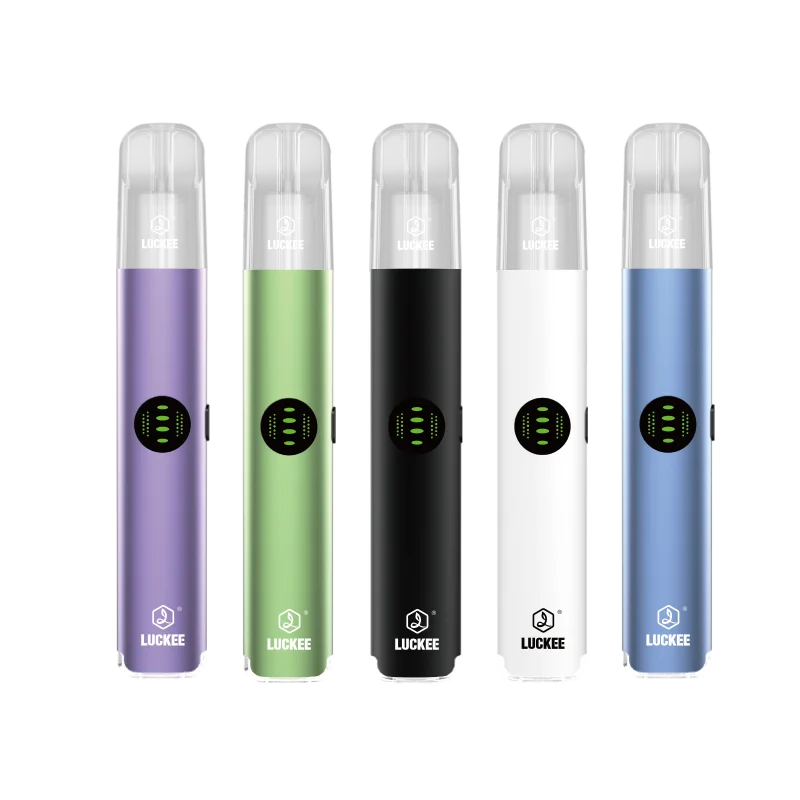
For our own part: LuckeeVape is a Shenzhen manufacturer, and we make no US-origin claim. Our compliance work targets the markets we actually sell into — EU TPD and UK MHRA requirements, and regional standards in the Middle East. If you are sourcing for the US, our US wholesale buyers guide sets out what we can document, and OEM and private-label production covers building your own line honestly labelled with its real country of origin. If you want the genuine US-made route, start from the domestic e-liquid producers above and verify the hardware claim line by line.
Frequently Asked Questions
Are any vapes actually made in the USA?
Almost none. A very small number of brands claim domestic assembly or filling — Fifty Bar is the most cited — but even the leading claim is now the subject of an FTC warning letter. The part of the industry that is genuinely American is e-liquid, not hardware.
What does “Made in USA” legally require for a vape?
Under the FTC’s “all or virtually all” standard, the final assembly, all significant processing, and all or virtually all components must be domestic, with only minimal foreign content. Filling or assembling in the US alone does not qualify.
Is FDA approval the same as being made in the USA?
No. FDA authorisation is about a product’s public-health review and says nothing about origin. FDA-authorised products are routinely manufactured overseas.
Which vape brands are FDA-authorised in 2026?
As of August 28, 2026, the FDA lists 48 authorised products from five manufacturers — Glas, JUUL, Logic, NJOY and R.J. Reynolds (Vuse).
Why are so many new “American-made” vape brands appearing?
Largely because of US tariffs and customs enforcement on Chinese-labelled disposables. Since October 2025 at least eight new brands emphasising American credentials appeared on US shelves, none FDA-authorised, according to Reuters. Chinese exports to the US did not fall, so the shift so far is packaging more than production.
Is a US-made vape automatically legal to sell in the US?
No. Origin and authorisation are separate requirements, and some states add a third. In Texas, for example, China-made disposables are banned while US-made nicotine devices are exempt — but the product still needs to meet federal requirements.
The Bottom Line
What vapes are made in the USA? Almost none — and the few that claim it are the ones to scrutinise hardest. The device industry is built on a Shenzhen supply chain that 2026’s tariffs have so far relabelled rather than relocated, and the only component you can reliably find made in America is the e-liquid. If American origin matters to you — for quality, for customs, or for legality in a state like Texas — verify it the way a regulator would: ask for the paperwork, not the flag.
Sources reviewed October 2026: FTC warning letters and Made in USA Labeling Rule (ftc.gov, July 6 2026); FTC Act Section 5 and Section 45a; Reuters, “Vape makers turn to ‘Made in America’ credentials” (April 7 2026); Texas Comptroller, e-cigarette legislation FAQ (SB 2024, effective September 1 2025); FDA Center for Tobacco Products, authorised e-cigarette list (content current as of August 28 2026); FDA warning letter to Beard Management Inc. (September 12 2024). This article is general information about product origin and regulation, not legal advice.
Compliance note: LuckeeVape manufactures in Shenzhen, China, and makes no “Made in USA” claim. Adult vapers of legal purchase age only.