







The UK tobacco, vaping, and next-generation nicotine market has come through a year marked by fundamental change. The introduction of the disposable vape ban has significantly altered both consumer purchasing behavior and retailer operating models, resulting in a market shaped by rapid adjustment and emerging opportunities. As the market stabilizes, several clear patterns are becoming evident, pointing toward a future centered on reusable formats, long-term value, and alternative nicotine solutions. For retailers, gaining a clear understanding of these forces—and communicating them effectively to adult consumers—has become increasingly essential. This overview examines current market dynamics, expected developments, and practical strategies for businesses aiming to remain competitive.

One of the most visible shifts in the market has been the move toward reusable devices and higher puff-count formats. Regulatory action against single-use disposables has been the main driver of this transition. Although the overall monetary value of the vaping segment has softened, largely due to reusable components being less expensive over time than repeated disposable purchases, product volumes are rising as consumers adopt more sustainable options.
According to Angelo Yang, Associate General Manager at ELFBAR UK, refill pods and e-liquid containers are now the key engines of category growth. He explains that vaping has reached a mature stage, and as users move away from single-use devices, they are increasingly choosing products designed for longer-term use. This change reflects a broader consumer preference for durability, convenience, and ongoing value.
Demand for longevity has also accelerated interest in high puff-count devices. Products such as the LOST MARY BM6000, ROCKME 30K illustrate this trend, having recorded sustained growth of 31% over a recent 13-week period. These devices appeal to consumers by delivering extended usage while reducing waste compared to traditional disposable formats.
Laura Cope, Head of Marketing at Aquavape, echoes this assessment, noting that purchasing decisions are becoming increasingly value-driven. She observes that consumers are gravitating toward products that feel familiar, offer consistent performance, and provide better long-term cost efficiency. Closed pod systems and high-capacity devices with strong brand recognition and reliable flavor delivery are performing particularly well. At the same time, refillable open-system kits are gaining traction among more experienced users who want greater control over flavor selection and nicotine strength.
Beyond vaping, nicotine pouches are emerging as a significant growth segment, especially in metropolitan areas. Their discreet, smoke-free nature and tobacco-free formulation are attracting consumers looking for alternatives that fit seamlessly into daily routines.
Looking ahead, industry stakeholders expect existing trends to strengthen further. Refill pods, nicotine pouches, and bottled e-liquids are forecast to become the dominant product categories. Cope anticipates continued expansion across these segments, supported by data showing that 85% of vapers are now purchasing refill pods, while consumer awareness of nicotine pouches has reached 56% in 2025. Single pod formats are expected to lead the market, followed closely by big puff configurations. Refillable open pod systems—particularly those designed for simplicity with integrated coils—are also expected to retain broad appeal.
The planned introduction of Vape Duty in October 2026 represents a major factor that could further reshape purchasing behavior. Cope suggests that the tax may accelerate growth in more cost-efficient formats such as single pods, bottled e-liquids, and nicotine pouches, which may face lower tax exposure compared with larger prefilled or high-capacity devices.
Prianka Jhingan, Head of Marketing at Scandinavian Tobacco Group UK, is especially optimistic about nicotine pouches. She believes the category will continue to expand in both scale and importance and advises retailers to focus on stocking the most relevant brands in order to maximize turnover and margins.
As regulation evolves, manufacturers and suppliers are increasingly focused on supporting retailers through education and compliance assistance. This support includes training programs, guidance materials, and point-of-sale tools.
ELFBAR has concentrated its efforts on helping retailers adapt to regulatory changes and guide consumers through the transition to reusable products. Yang explains that the company released a concise guidance document timed with the disposable ban to help retailers address common customer questions and advise adult smokers and vapers on compliant alternatives. In-store materials highlighting reusable options and direct support from sales teams have also played a key role.
STG places strong emphasis on staff education. Jhingan notes that company representatives work directly with retail staff to explain how each product meets specific consumer needs. This includes guidance on cigar tobacco blends as well as detailed training on nicotine pouch strengths and flavor profiles to support informed recommendations.
Aquavape is also preparing retailers for upcoming regulation, particularly the introduction of Vape Duty. Cope explains that the company is proactively applying duty stamps to all applicable products to help customers avoid compliance issues. Aquavape also provides retailers with educational vape guides and regular updates on potential changes to packaging and display regulations.
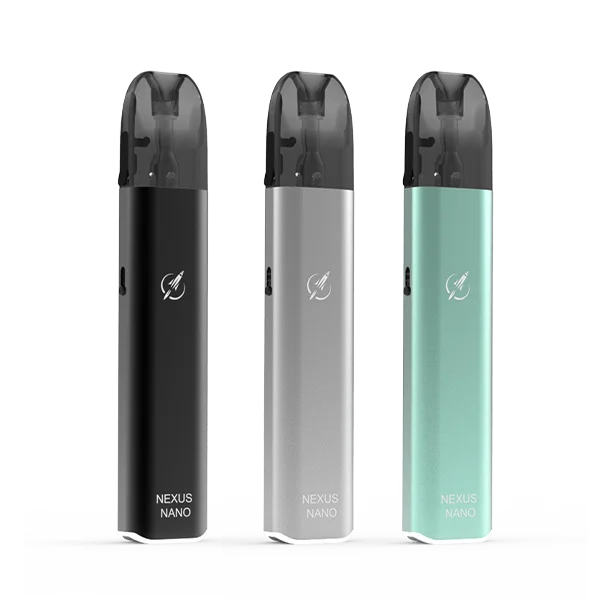
For retailers seeking compliant high-puff solutions, products such as the Ecigator OMIX 6000 illustrate how innovation is adapting to regulatory frameworks. The OMIX 6000 is a rechargeable and replaceable pod kit featuring adjustable airflow. It includes a 2ml prefilled pod paired with a 10ml refill container, delivering up to 6,000 puffs while remaining compliant. Mesh coil technology ensures consistent flavor output and a refined vaping experience.
Despite the market’s maturity, consumer misunderstanding remains a significant challenge. One of the most persistent issues relates to perceptions of harm. Yang points to survey data from 6,000 UK adult smokers and vapers showing that 51% incorrectly believe vaping is equally or more harmful than smoking. This finding mirrors conclusions from ASH’s 2025 report and highlights a barrier to smoking cessation. Retailers are uniquely positioned to correct misinformation through informed, responsible communication.
Confusion also exists around the cost structure of reusable products. Some consumers remain unaware of how refill pods and e-liquid containers offer better long-term value compared with repeatedly purchasing new devices. Clear demonstrations and comparisons at the point of sale can help address this gap.
Legal compliance is another area where consumers frequently seek clarification. Cope notes that many customers struggle to distinguish between compliant formats, such as 2ml pods paired with 10ml refills, and illegal disposable-style products. Retail staff must be equipped to explain these distinctions clearly and confidently.
Effective merchandising plays a critical role in unlocking category growth. Jhingan recommends increasing visibility for emerging segments like nicotine pouches, suggesting placement in multiple store locations to raise awareness. STG provides a range of display solutions designed to suit different retail footprints.
Cope advocates organizing shelves by product format rather than by brand. Grouping devices according to how they function makes it easier for both staff and consumers to navigate the category. She advises placing single pod kits next to compatible refills, highlighting popular fruit flavors to encourage trial, and clearly segmenting big puff formats into multi-pod kits and refill systems with matching consumables displayed alongside.
By remaining informed, investing in staff education, and adopting thoughtful merchandising strategies, retailers can successfully navigate ongoing market changes and continue driving growth across tobacco, vaping, and next-generation nicotine categories.