







Vape Flavors and Vape Juice: What You Need to Know
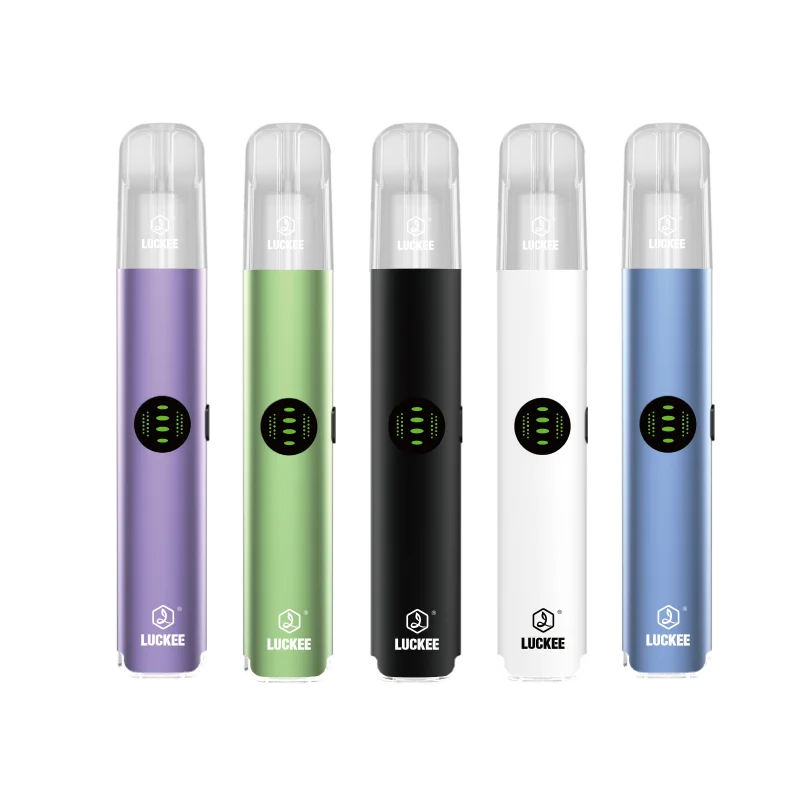
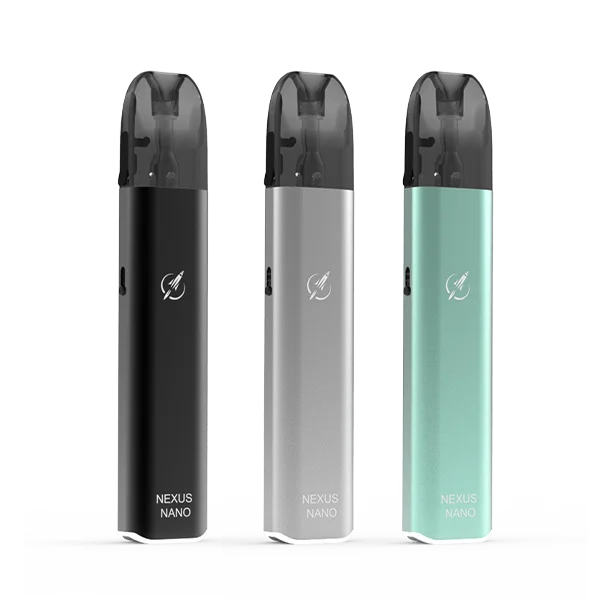
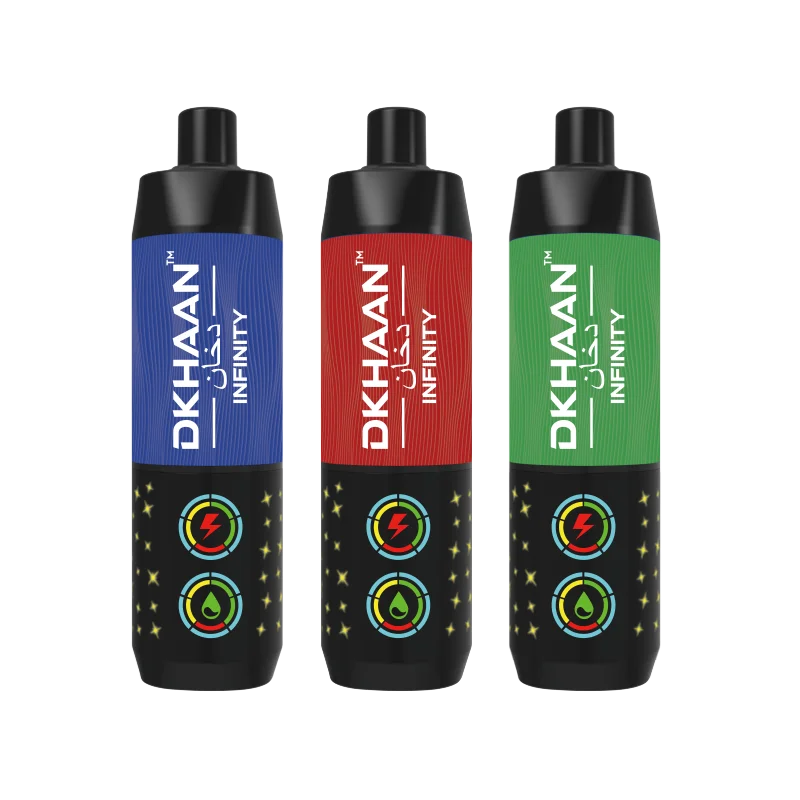
If you walk into a vape shop or browse online stores, you will quickly notice a wide range of brightly packaged pods, cartridges, and bottles filled with flavored e-liquids, commonly known as vape juice. These liquids are heated inside e-cigarettes or vaping devices to produce an aerosol that users inhale.
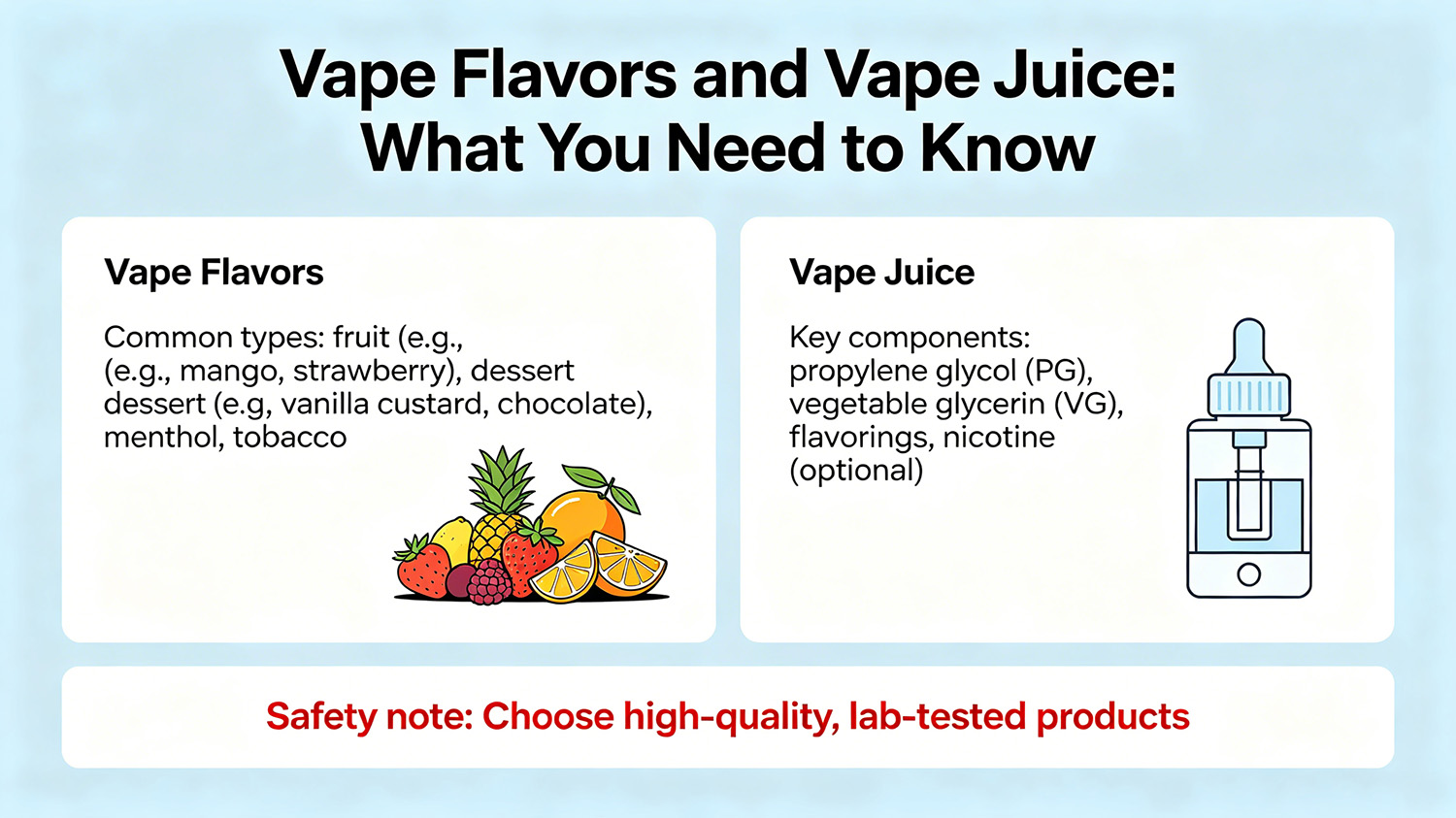
E-liquids come in countless flavors, from fruity and candy-like options to dessert and cereal-inspired varieties. According to Michael Blaha from Johns Hopkins University, while flavors are a major attraction, they are only one part of a much more complex mixture that may have health implications—especially for younger users.
What’s inside vape juice?
Flavoring is just one component of e-liquid. Most vape juices also contain nicotine along with various chemicals and additives. One of the main concerns highlighted by experts is the sheer number and unpredictability of these ingredients.
In addition, the heating element within vaping devices can introduce new substances into the aerosol. When the liquid is heated, the coil may release trace metals and other compounds that are then inhaled into the lungs.
Blaha points out that while some large manufacturers may follow certain production standards, many products—especially those from smaller vape shops, online sellers, or homemade mixtures—lack consistent regulation. This inconsistency means users often have little idea of exactly what they are inhaling.
E-liquids can include not only flavorings and nicotine, but also dyes, THC, and a wide range of other substances. In some cases, individuals even add unconventional ingredients such as essential oils, vitamins, or medications, creating mixtures that may be unsafe.
Is vape juice safe to inhale?
The safety of vape juice is still uncertain, and some ingredients have already been linked to serious health risks. For example, vitamin E acetate has been strongly associated with a condition known as EVALI, which can be life-threatening. Although this substance is safe to consume in food, inhaling it can cause severe lung damage.
Medical imaging of affected patients has shown signs of chemical irritation in the lungs, emphasizing the dangers of inhaling certain substances. This highlights an important point: a compound that is safe to eat is not necessarily safe to breathe into the lungs.
There is currently limited evidence that flavorings alone are directly harmful, but research suggests that when these flavors are heated and combined with other ingredients, they may form new chemical compounds with unknown or potentially harmful effects.
Vaping may also affect other aspects of health beyond the lungs. Some users report a condition known as “vaper’s tongue,” where they temporarily lose some or all of their sense of taste.
How do vape flavors influence teenagers?
As a heart specialist, Blaha often works with older patients who urgently need to quit smoking due to serious health conditions. For some adults who have not succeeded with approved quitting methods, e-cigarettes may serve as a temporary alternative, sometimes with the help of flavored products.
However, the situation is very different for young people. One of the biggest concerns is the rapid increase in vaping among teenagers, including many who have never smoked traditional cigarettes.
Flavors appear to play a major role in this trend. Sweet and appealing options like fruit, candy, and bubblegum attract younger users and encourage experimentation. For many teens, the flavors themselves are the main reason they begin vaping.
This raises broader public health concerns. The issue is not only whether flavoring chemicals are harmful, but also how these flavors make vaping more appealing and accessible to a younger audience. Early exposure to nicotine increases the risk of addiction, which can lead to long-term use of nicotine products, including traditional cigarettes.
Final thoughts
Although research is still ongoing, it is clear that vape juice is far from simple or harmless. The wide variety of ingredients, especially in unregulated or homemade products, introduces uncertainty and potential health risks. In addition, nicotine remains a highly addictive substance that can have lasting effects on the body.
Given the known dangers of smoking and the emerging concerns about vaping, experts recommend speaking with a healthcare professional about safe and effective ways to quit nicotine altogether.
Article source: https://www.hopkinsmedicine.org/health/wellness-and-prevention/vape-flavors-and-vape-juice-what-you-need-to-know