



Vape Battery Safety: Essential Tips for vape Wholesale Suppliers & Retailers (2026)
Introduction
Vape battery safety is one of the most critical and non-negotiable aspects of the global vape wholesale and retail industry in 2026. As disposable vapes and pod systems dominate the market, lithium-ion batteries have become the core component powering nearly all vaping devices. However, safety risks such as overheating, leakage, short circuits, and even battery explosions continue to pose serious concerns.
These issues are often caused by substandard batteries, improper charging habits, poor storage conditions, or unqualified manufacturing processes. For wholesalers and retailers, battery-related incidents can lead to customer injuries, increased product returns, regulatory penalties, and severe brand reputation damage.
To help global vape distributors, suppliers, and store owners minimize risks and operate safely, this guide provides a comprehensive overview of common battery hazards, professional wholesale safety standards, retail operation best practices, and international compliance requirements. By implementing these essential safety strategies, businesses can ensure product reliability, regulatory compliance, and long-term success in the vape industry.

Common Vape Battery Safety Hazards & Root Causes
Understanding the root causes of battery safety issues is the first step toward effective prevention.
Overheating and Explosion Risks
Battery overheating is one of the most serious hazards in vape devices. It is commonly caused by low-quality lithium-ion cells, unstable circuit designs, and insufficient overcharge protection.
When devices are charged for extended periods or used under high load, internal temperatures can rise rapidly. Without proper protection mechanisms, this may trigger thermal runaway, leading to swelling, rupture, or explosion.
Using incompatible chargers or high-power charging devices can further disrupt voltage balance and increase safety risks.
Liquid Leakage and Short Circuits
Inferior sealing processes and low-grade materials can result in battery leakage. During transportation or long-term storage, environmental stress such as heat, vibration, and pressure may damage battery structure.
Leaked electrolyte can corrode internal components, leading to short circuits, device failure, or even fire hazards.
Rapid Power Loss and Battery Failure
Unstable battery capacity and inconsistent current output often cause poor performance, including sudden power loss and reduced puff count.
These defects not only affect user experience but also increase return rates and customer complaints, impacting retail reputation.
Core Causes Summary
Most vape battery safety issues originate from:
- Low-quality raw materials and poor manufacturing processes
- Improper charging and usage behavior
- Non-standard transportation and storage conditions
Battery Safety Control Standards for Vape Wholesale Suppliers
Wholesale suppliers play a critical role in ensuring battery safety at the source. Professional manufacturers implement strict safety control systems throughout production.
High-Quality Raw Material Selection
Reliable factories use only certified, high-density lithium-ion cells. Recycled or low-grade batteries are strictly prohibited.
All battery cells undergo testing for:
- Internal resistance
- Voltage stability
- Capacity consistency
This ensures uniform performance and eliminates defective units early.
Multi-Layer Protection Circuit Design
Modern vape batteries are equipped with advanced safety protection systems, including:
- Overcharge protection
- Over-discharge protection
- Overcurrent protection
- Short circuit protection
- Temperature control mechanisms
These features automatically shut down the device under abnormal conditions, preventing accidents.
Comprehensive Batch Safety Testing
Before shipment, each batch undergoes rigorous testing, such as:
- High and low temperature resistance tests
- Drop and pressure tests
- Continuous charge-discharge cycle testing
- Long-term aging tests
Only products that pass all safety checks are approved for delivery.
Safe Packaging and Transportation
Professional suppliers use specialized packaging materials that are:
- Anti-explosion
- Anti-compression
- Insulated
Proper packaging prevents damage, short circuits, and safety incidents during long-distance logistics.
Practical Safety Operation Guidelines for Vape Retailers
Retailers are responsible for ensuring safe product handling and educating customers.
Strict Inventory Control
Only source products from certified and compliant suppliers. Avoid low-cost, unverified products.
Conduct random inspections for:
- Battery swelling
- Device damage
- Leakage signs
Proper Storage Conditions
Store vape products in:
- Cool, dry, and well-ventilated environments
- Areas away from direct sunlight and high temperatures
Avoid stacking products under heavy pressure to prevent structural damage.
Customer Safety Education
Retailers should inform customers about proper usage:
- Use only compatible chargers
- Avoid overcharging devices overnight
- Stop using devices if overheating or leakage occurs
- Do not disassemble batteries
Clear communication reduces misuse and safety incidents.
Safety Labeling
Ensure all products include visible safety warnings, such as:
- Avoid high-temperature environments
- Do not disassemble
- Follow proper charging instructions
This helps meet regulatory requirements and improve consumer awareness.
Global Compliance Certification Standards & Penalties
Battery safety compliance is mandatory in major global markets.
Required Certifications
- CE certification (EU and UK markets)
- ROHS compliance (environmental safety)
- GSO and SASO (Middle East markets)
- FDA-related safety requirements (US market)
These certifications ensure battery safety, material compliance, and environmental protection.
Consequences of Non-Compliance
Failure to meet safety standards can result in:
- Customs detention and product confiscation
- Heavy fines and legal penalties
- Permanent loss of market access
- Brand reputation damage
- Liability claims from safety incidents
Compliance is not optional—it is essential for survival in the global vape industry.
Conclusion
Vape battery safety is the foundation of a sustainable and compliant vape business. From manufacturing to retail operations, every stage must follow strict safety standards to prevent risks and ensure product reliability.
Inferior batteries and improper handling can lead to serious safety incidents, financial losses, and long-term damage to your brand. By working with certified suppliers, implementing proper storage and usage practices, and staying compliant with global regulations, wholesalers and retailers can effectively minimize risks.
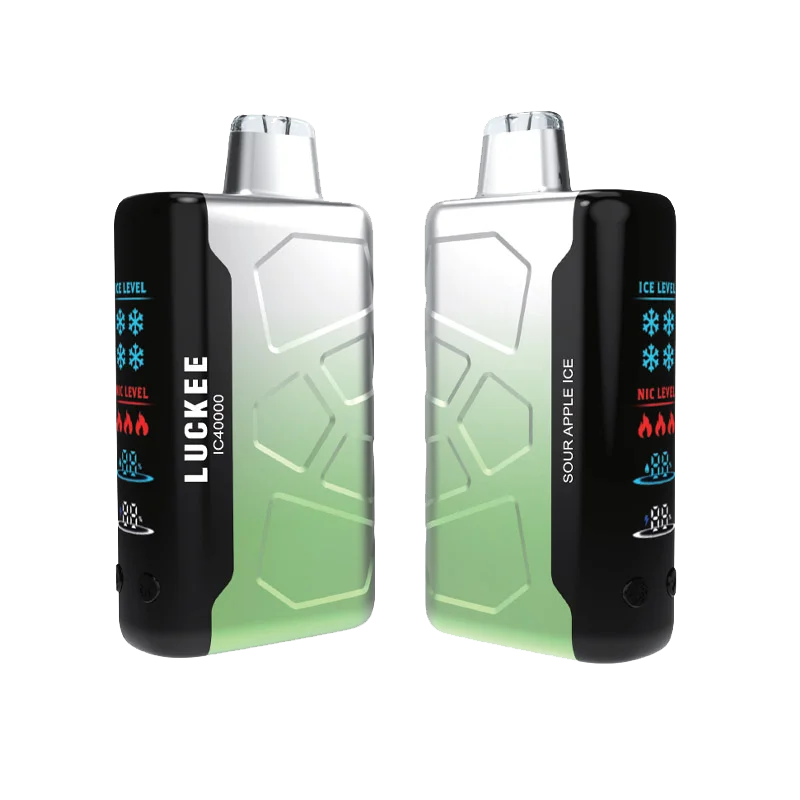
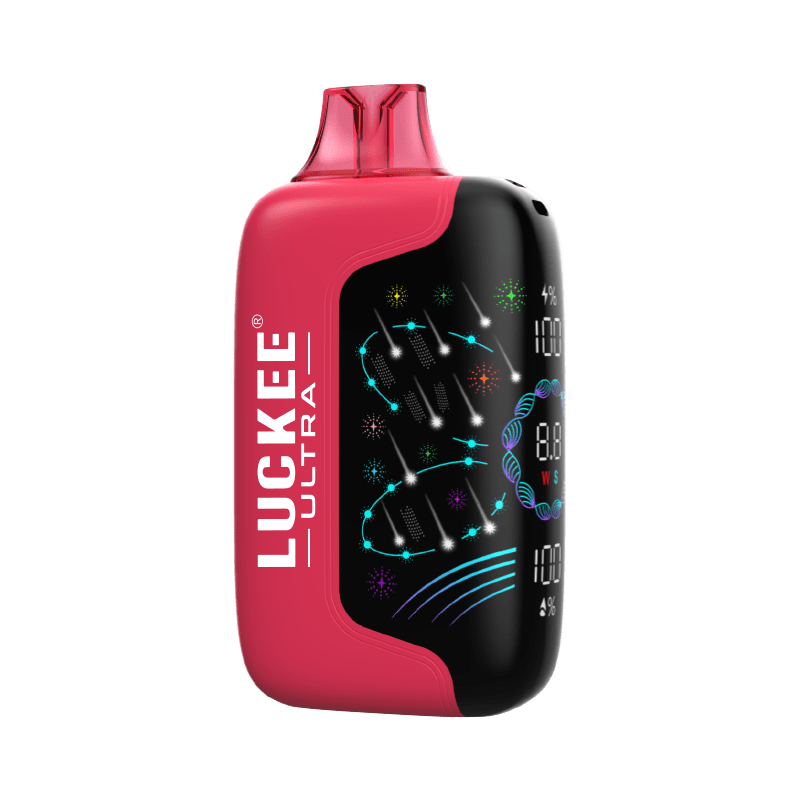
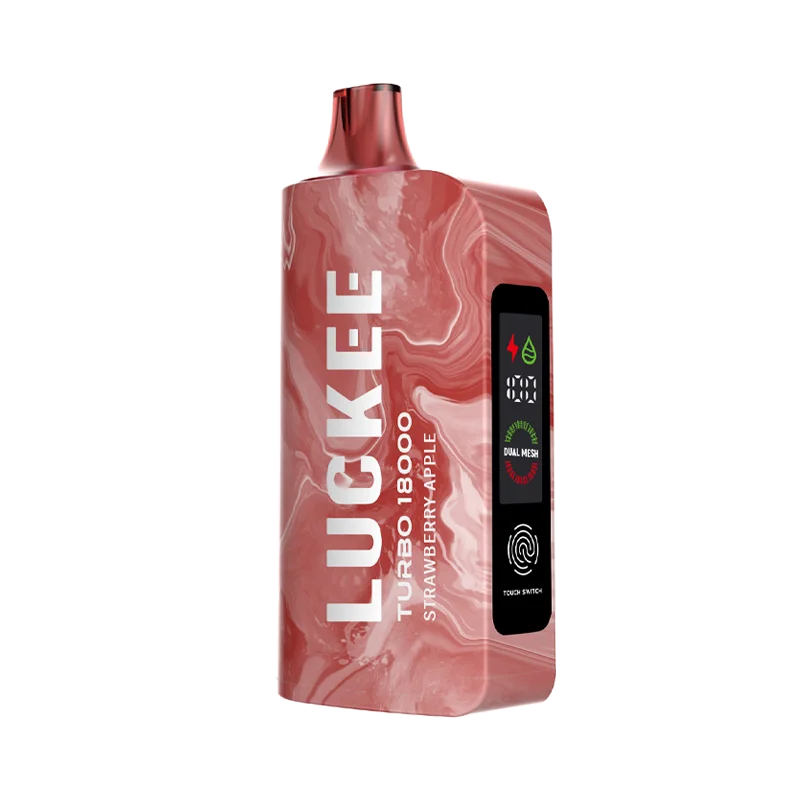
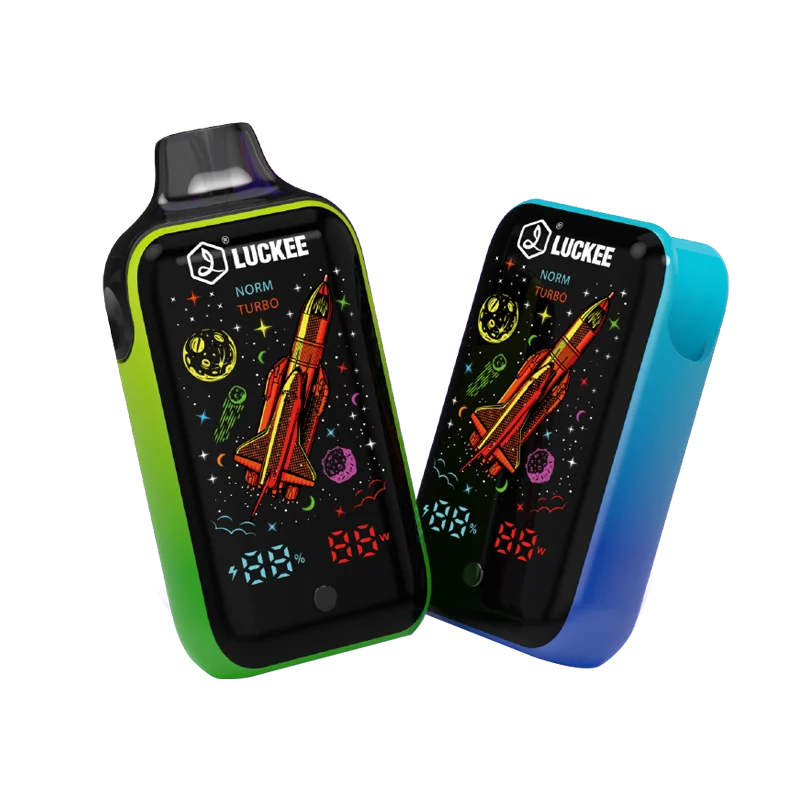
As a professional vape manufacturer, Luckeevape prioritize safety in every product. All our vape devices are equipped with certified high-quality batteries, undergo rigorous testing, and meet CE, ROHS, and FDA standards. We provide safe, reliable, and compliant vape solutions for global distributors.
Contact us today to request certification documents, receive free samples, and get customized wholesale quotes for your business.