

Spain Vape Policy 2026: Tobacco-Exclusive Retail Reform & Upcoming National Disposable Ban Proposal
Introduction
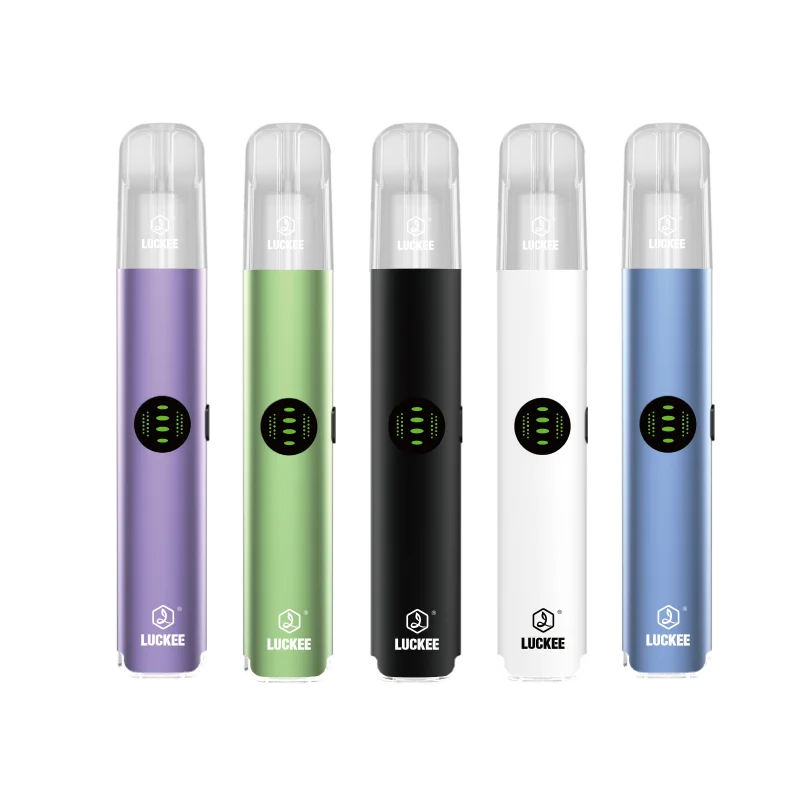
After a decade serving Chinese vape manufacturers and Iberian local importers, Spain stands out as Southern Europe’s largest disposable vape consumption hub, whose regulatory overhaul in 2026 is reshaping the whole Iberian vaping supply chain. For years, Spain’s market was characterized by loose retail access: convenience stores, supermarkets, gas stations and independent online shops all legally sold disposable pods and flavoured e-liquid, pushing disposable items to occupy over 52% of national vape market share before 2026. Starting from early 2026, Spanish Congress finalized cross-party consensus on landmark tobacco law revision, launching two core regulatory moves: restricting all nicotine-containing vape sales exclusively to licensed tobacconists, alongside a pending nationwide disposable vape ban scheduled for parliamentary voting in late 2026. Different from France’s immediate enforcement and Belgium’s clear 2025 ban timeline, Spain adopts progressive transitional supervision to buffer local retail inventory pressure.
This article refers to official documents published by Spain’s Ministry of Health, Ministry of Finance and Spanish Customs Agency, sorts policy evolution across channel access, disposable restriction, flavour management and import compliance, and delivers targeted operational advice for overseas brands arranging Spanish market shipment and product R&D.

Module1 Core Reform: Vape Limited to Licensed Tobacco Shops Only
1.1 Legal Effective Timeline & Transition Arrangement
The tobacco-exclusive retail clause was signed into national supplementary tobacco legislation in March 2026, with a two-stage transition period set by Spanish health authority: Phase one runs from April to December 2026 as buffer term, existing non-tobacco retailers (supermarket, convenience store, independent boutique) can continue clearing existing stocked vape inventory but are forbidden to place new replenishment orders from wholesalers; Phase two fully takes effect on January 1, 2027, only official licensed Spanish tobacconists with valid tobacco retail ID can conduct offline and registered online vape sales across the country.
The legislative motivation originates from Spain’s surging youth vaping data released by the National Institute of Public Health (INSALUD): nearly 19.4% of Spanish teenagers aged 14–17 had tried flavoured disposable vapes, most purchased from unregulated neighbourhood convenience stores without strict age verification. Central government intends to compress underage access by concentrating vape sales into strictly audited tobacco specialty channels.
1.2 Penalty for Non-compliant Offline & Online Retailers
Spanish regional consumer protection institute is responsible for routine market inspection during transition. Any non-licensed merchant restocking new vape goods after April 2026 will face administrative fines ranging from €1,200 to €25,000 based on illegal stock value; persistent illegal sales lead to mandatory shop closure and blacklist filing with local commerce bureau. For cross-border B2C e-commerce stores targeting Spain, platforms without cooperation with certified local tobacconist operators will be blocked by Spanish postal supervision starting early 2027, preventing parcel delivery into domestic territory.
1.3 Post-reform Channel Structure Shift & Wholesaler Restructuring
Spanish Vape Distributors Association published Q2 2026 industry data showing more than 60% of small and medium non-specialized vape wholesalers have stopped bulk disposable procurement, switching cooperation focus to national tobacco monopoly-owned wholesale networks. Many overseas brands previously supplying supermarket channels adjust distribution strategy, shifting cooperation targets from chain convenience buyers to Spain’s regional tobacconist federations.
Module2 Pending National Disposable Vape Ban: Legislative Progress & Product Definition Boundary
2.1 Draft Progress & Expected Effective Date
The full disposable vape prohibition bill was submitted to Spanish Congress in May 2026, scheduled for formal voting between October and November 2026; once approved, the law will reserve a 9-month inventory liquidation period and formally ban import, wholesale and retail of all pre-sealed non-refillable disposable vaping devices starting August 2027. Consistent with French and Belgian legal definition, zero-nicotine all-in-one disposable puff products are also covered by prohibition scope without any exception clause.
Spanish lawmakers reference EU’s upcoming TPD III draft orientation and Western European neighbouring countries’ mature disposable ban experience, combining domestic waste management pressure: over 130 million discarded disposable vapes enter Spain’s domestic waste system annually, triggering frequent lithium battery fire accidents in landfills across Catalonia, Andalusia and Valencia.
2.2 Pre-ban Market Inventory Adjustment Trend
Faced with foreseeable ban, most large Spanish importers have sharply cut disposable bulk import volume from Q2 2026, year-on-year disposable inbound cargo dropped 47% in Spanish core ports including Barcelona and Valencia. A large number of disposable OEM factories servicing Spain accelerate mould transformation for replaceable closed pods and 10ml TPD-compliant longfill e-liquid to retain client orders.
2.3 Temporary Grey Market Early Warning
Before formal ban implementation, cross-border smuggling of cheap disposable vapes from Portugal and Eastern EU nations gradually rises; Spanish Customs reinforce roadside random inspection along Iberian Peninsula land border to curb illegal inflow of banned products in advance.
Module3 Flavour & Additive Supervision: Current Rules + Future TPD III Adaptation Trend
3.1 Present Legal Status of Diversified Flavours
As of mid-2026, Spain still legally permits fruit, menthol, dessert and beverage flavoured e-liquid and prefilled pods nationwide, no nationwide flavour restriction is executed for the time being, differing sharply from Belgium’s fixed 2028 full non-tobacco flavour ban. However, Spain’s health department has started reviewing domestic flavour control draft according to EU TPD III preliminary consultation content, planning to launch staged flavour limit after EU unified regulation lands.
3.2 Banned Harmful E-liquid Additive Catalogue Updated 2026
Spanish AEMPS (Spanish Medicines and Healthcare Products Regulatory Agency) updated restricted raw material list in April 2026, adding over 25 kinds of high-irritation artificial flavours and unapproved nicotine analogues into forbidden ingredient list; finished vape containing above substances cannot pass EU-CEG notification and will be rejected during Spanish customs clearance. All new SKU entering Spanish market must complete upgraded full-ingredient safety testing matching AEMPS latest standard.
H3:3.3 Packaging Label Local Supplementary Requirements
Besides standard EU TPD warning graphic rules, Spain enforces mandatory Spanish-language ingredient description and health reminder on all vape outer packaging; any product only printed with English or other foreign text without compliant Spanish labelling is prohibited from domestic retail sales.
Module4 TPD Compliance & Spanish Exclusive Import Filing Rules
4.1 Basic TPD II Unified Product Parameter Standard
All imported vape hardware and e-liquid comply with EU unified specification: max nicotine concentration 20mg/ml, prefilled pod liquid ≤2ml, single bottled e-liquid capped at 10ml volume, all finished goods need valid EU-CEG pre-market notification registration before customs declaration.
4.2 Local Authorized Representative Mandatory Filing
Spain requires every overseas brand to appoint a legally registered Spanish domestic representative after finishing EU-CEG registration; the local agent takes charge of product safety recall, official regulatory document reception and waste EPR compliance declaration. Without valid domestic representative filing, Spanish customs can detain all inbound cargo regardless of complete CEG certificate.
4.3 Tax Collection Norm: Standard VAT + No Special Vape Excise Tax for Now
Currently Spain only levies 21% standard VAT on imported vape commodities, no separate specific excise tax on e-liquid per millilitre like Germany’s €0.32/ml rule; but domestic finance department publicly announces it will follow EU harmonized tobacco tax directive progress, possibly launching dedicated vape excise duty after 2030.
Module5 Compliance Suggestion for Global Vape Exporters Targeting Spain
5.1 Product R&D Optimization for Transitional Policy Window
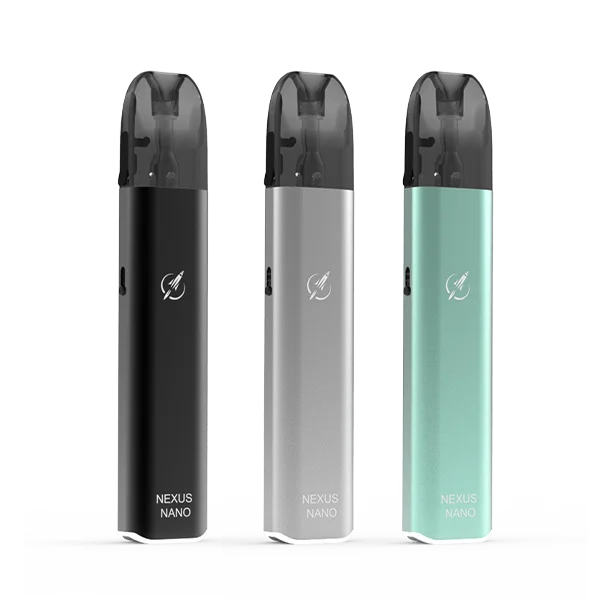
- Gradually shrink disposable vape production proportion for Spanish orders, prioritize development of replaceable pod system and 10ml longfill e-liquid to adapt upcoming 2027 disposable ban; retain diversified fruit flavour R&D layout at present while reserving tobacco-flavour formula reserve to cope with possible future national flavour prohibition.
- Revise e-liquid raw material formula to eliminate AEMPS-banned additives, finish updated third-party laboratory testing before new SKU CEG application.
5.2 Channel & Inventory Risk Control
Stop supplying Spanish non-tobacco retail channels with large-batch new inventory after 2026 Q3, shift cooperation to licensed Spanish tobacconist groups and their exclusive wholesalers; reasonably control disposable stock quantity to avoid massive unsalable goods after 2027 full ban takes effect.
5.3 Customs & Document Preparation
Confirm cooperative importer has finished domestic representative registration filing before bulk shipment; standardize packaging design with compliant Spanish warning text and ingredient labels to avoid customs clearance rejection due to non-compliant labelling defects. Keep tracking AEMPS and Spanish Congress’s real-time legislative notice on disposable ban voting progress to dynamically adjust shipment rhythm.
Conclusion
Spain’s dual-core regulatory change of tobacco-only retail plus pending nationwide disposable ban marks Southern Europe’s overall tightening trend on vaping supervision in line with mainstream EU policy direction. Benefiting from current temporary legal flavoured vape sales and absent special excise tax, Spain still keeps market buffer space for compliant refillable products before 2027. For global vape suppliers, grasping the remaining transition window to complete product upgrading and channel transformation is the core strategy to maintain stable Spanish market share amid accelerating EU regulatory integration pushed by TPD III preparation.
Reference & Source List
- Ministerio de Sanidad España: New Vape Retail Law Official Release March 2026 | sanidad.gob.es
- AEMPS Spain E-liquid Additive Restriction Updated Document April 2026 | aemps.gob.es
- Spanish Congress Disposable Vape Ban Draft Legislative Archive May 2026 | congreso.es
- Agencia Tributaria Spanish Customs Import Guidance for Vaping Goods Q2 2026 | agenciatributaria.es
- Spanish National Vaping Industry Association Quarterly Market Report Q2 2026