04 February 2026
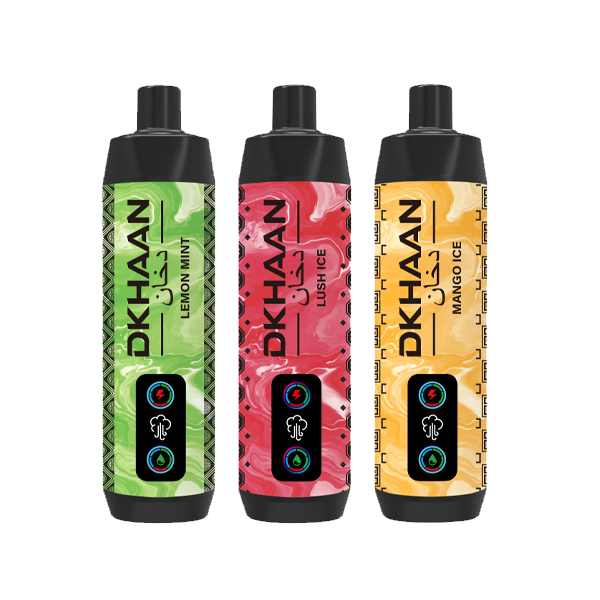
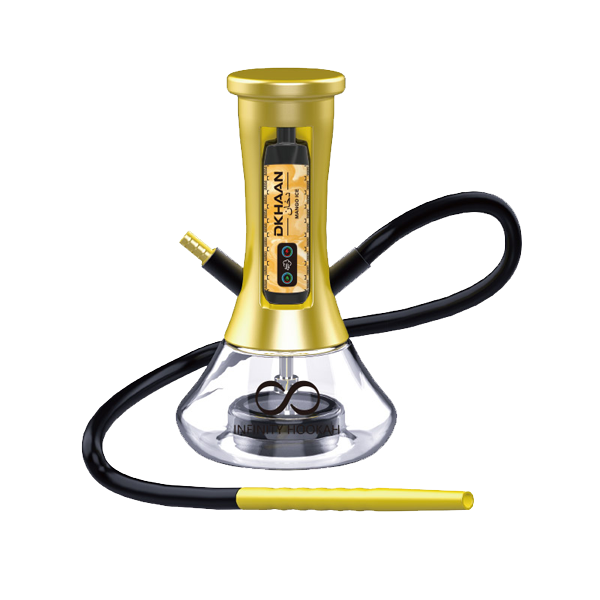
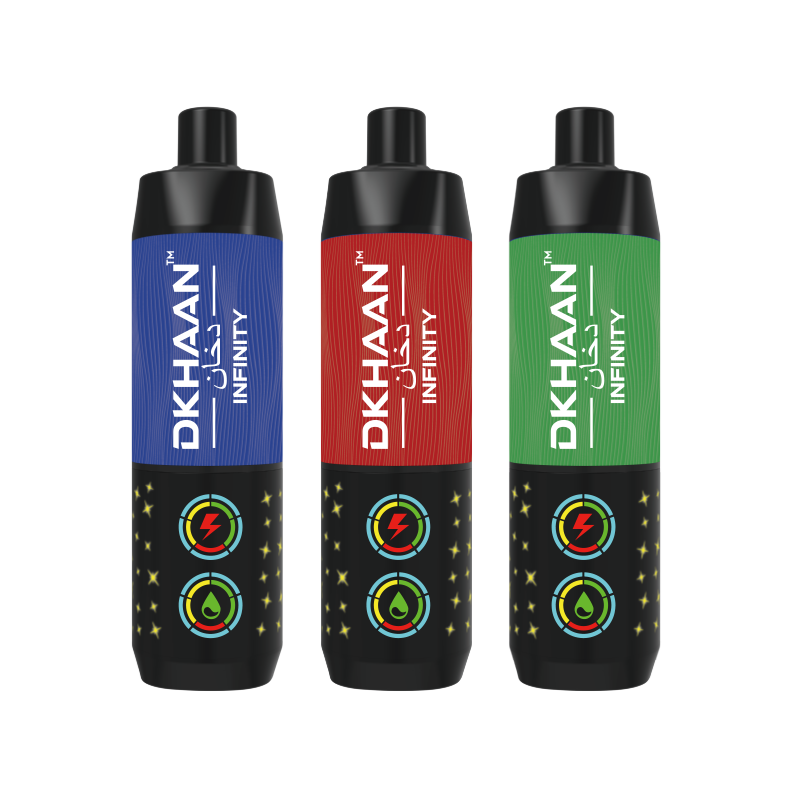
DKHAAN VEGA 25K DISPOSABLE & POWER BANK
DKHAAN VEGA DISPOSABLE & POWER BANK
DKHAAN VEGA — Designed for the...
04 February 2026
ROCKME VC BAR
ROCKME VC BAR
🔥 VC BAR by RockMe — Power Meets FlavorBuilt for vapers who want smooth hits, bold taste,...
04 February 2026
ROCKME SHEESHA 60K
ROCKME SHEESHA 60K
Built to last. Built to perform.
🔋 2000mAh long-lasting battery🔌 Type-C fast rechargeable💨...
03 February 2026
Top Disposable Vape Products Manufacturers in China
China’s Disposable Vape Industry: Expansion, Innovation, and Global Influence
Over the past decade, China’s...
02 February 2026
How to Choose a Reliable Disposable Vape Factory in China
How to Choose a Reliable Disposable Vape Factory in China
Choosing the right disposable vape factory...
29 January 2026
Key Reasons Vapers Are Choosing the Lost Mary Nera 30K Prefilled Vape
Key Reasons Vapers Are Choosing the Lost Mary Nera 30K Prefilled Vape
In a rapidly evolving vaping market,...
29 January 2026
Why the OXVA Xlim 3 Ultra Vape Kit Stands Out as a Preferred Choice for Vapers
Why the OXVA Xlim 3 Ultra Vape Kit Stands Out as a Preferred Choice for Vapers
The OXVA Xlim 3 Ultra...
29 January 2026
How the OXVA Xlim Pro 2 Pod Vape Kit Combines Portability with Strong Performance
How the OXVA Xlim Pro 2 Pod Vape Kit Combines Portability with Strong Performance
The OXVA Xlim Pro 2...
29 January 2026
Hayati Pro Max+ 6000: A Reliable Prefilled Vape Kit for Daily Vaping
Hayati Pro Max+ 6000 Prefilled Vape Kit: Premium Convenience for Modern Vapers
In today’s rapidly advancing...
26 January 2026
EU Tobacco Tax 2026: Spain Faces Smuggling Crisis & Price Hikes
The European Union is tightening its grip on the tobacco industry with a dual strategy of aggressive...