







Mexico’s Comprehensive Vape Ban: Criminal Enforcement Without a Complete Public Health Framework
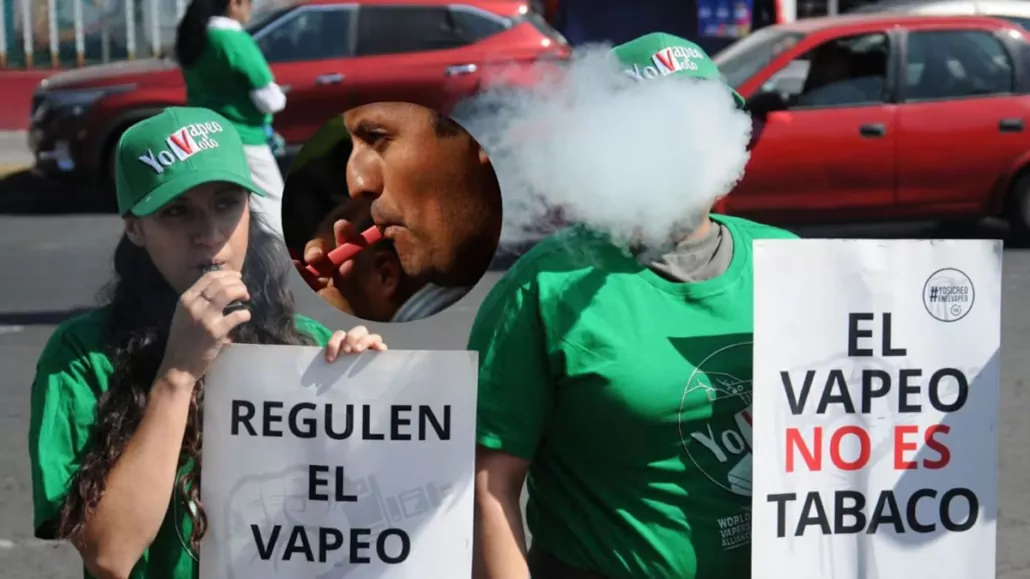
Mexico has enacted a far-reaching legal reform that introduces a total ban on electronic cigarettes and vaping products across the entire commercial supply chain. By amending the General Health Law, the country has criminalized the manufacture, importation, distribution, and sale of vapes, with penalties ranging from one to eight years of imprisonment. While authorities frame the reform as a public health measure, critics contend that the policy prioritizes punishment over prevention and fails to deliver a structured, health-centered regulatory strategy comparable to existing tobacco control laws.
Key Points at a Glance
Total Prohibition
All activities related to the sale, distribution, import, export, and supply of vaping products are categorically banned.
Criminal Liability
Individuals involved in any commercial activity within the vape supply chain face prison sentences of one to eight years, along with financial penalties.
Public Health Limitations
The reform focuses on eliminating the market rather than managing consumption, addiction, or harm reduction.
Contrast With Tobacco Regulation
Unlike tobacco laws that regulate and mitigate risk, the vape law relies on outright suppression.
Redefining the Legal Status of Vapes in Mexico
The reform has been approved by both the Chamber of Deputies and the Senate and now awaits formal promulgation by the Executive Branch. Once enacted, electronic cigarettes and vaping devices will be fully incorporated into the General Health Law under an absolute prohibition model. This shift fundamentally changes how these products are treated under Mexican law.
The central issue raised by legal and public health analysts is whether eliminating the entire commercial chain truly constitutes a comprehensive public health policy, or whether it merely displaces the problem without addressing underlying health concerns.
Core Elements of the New Vape Regulation
1. Blanket Ban on Sale and Supply
The reform establishes an unconditional nationwide prohibition on the sale and supply of vaping products. The language of the law allows for no exceptions, temporary permits, or conditional authorizations.
2. Elimination of Commercialization and Distribution
The prohibition extends far beyond retail sales. Commercialization, distribution, storage, and transportation of vaping products for commercial purposes are all forbidden, effectively dismantling any possibility of legal market participation.
3. Complete Closure of Import and Export Channels
The amended law explicitly bans both the import and export of vapes. This measure blocks international trade flows and prevents legal entry or exit of these products across Mexican borders.
4. Expanded Enforcement and Verification Authority
Article 282 Quinquies grants health authorities broad powers to conduct inspections, impose safety measures, and order the sanitary destruction of vaping products found in violation of the law.
5. Criminal Sanctions Embedded in Health Law
Perhaps the most consequential change is the introduction of criminal penalties. Article 465 Bis establishes that anyone engaged in selling, supplying, distributing, storing, transporting, importing, or exporting vapes for commercial purposes may face imprisonment ranging from one to eight years, in addition to monetary fines. This places vape-related activities firmly within the criminal justice system rather than a regulatory framework.
Comparing Vape Prohibition With Tobacco Control Policy
A clearer understanding of the reform emerges when it is compared with Mexico’s General Law for Tobacco Control. Tobacco regulation does not rely solely on prohibition. Instead, it establishes a comprehensive sanitary control system designed to regulate production, commercialization, importation, and consumption while protecting public health.
The tobacco law explicitly prioritizes reducing harm, safeguarding non-smokers, limiting youth access, and managing exposure to second-hand smoke. Although enforcement has not been flawless and the tobacco industry has found ways to circumvent certain rules, the law reflects a structured public health approach grounded in risk management and oversight.
By contrast, the vape reform abandons regulatory management in favor of total market eradication through punitive enforcement. Rather than controlling risk, it seeks to eliminate the product category altogether.
Why the Policy Falls Short as a Health Strategy
The prohibition of the vape supply chain addresses health concerns only indirectly and through punishment. By centering on criminalization, the law neglects several essential components of a comprehensive public health strategy.
Absence of Consumption Management
The reform provides no guidance or programs for existing adult users, nor does it address nicotine dependence or cessation support.
No Framework for Second-Hand Exposure
Unlike tobacco laws, the regulation does not meaningfully engage with issues related to indirect exposure or public-space protections.
Lack of Risk Communication and Harm Reduction
There are no mechanisms to inform consumers about relative risks, product safety standards, or harm reduction alternatives.
Public health regulation is not solely about banning products. It is about placing health protection at the core of policy design, balancing enforcement with education, surveillance, and risk mitigation. A framework limited to commercial suppression risks pushing vaping into illicit markets while failing to address the underlying behavioral and health realities associated with nicotine use.
In this sense, Mexico’s vape ban represents a forceful legal response, but one that may ultimately prove insufficient as a long-term public health solution.