US Vape Brand Private Label 2026: OEM Guide for New Vape Brands
In 2026, the US vape market is becoming increasingly competitive, pushing more distributors and retailers to build their own private label brands through OEM (Original Equipment Manufacturer) partnerships. Instead of relying on generic products, private label strategies allow businesses to differentiate themselves, improve brand recognition, and achieve higher profit margins. However, many new brand owners face challenges such as unclear regulatory requirements, lack of OEM experience, and difficulty controlling costs. In the US, compliance with the U.S. Food and Drug Administration (FDA) is essential, making it critical to work with experienced and compliant manufacturers. This guide provides a complete roadmap for launching a successful vape private label brand, covering advantages, compliance standards, production processes, and cost control strategies.
1. Advantages of Private Label Vape Business in the US Market
Private label vape brands offer significant advantages compared to reselling existing products.
Brand Differentiation
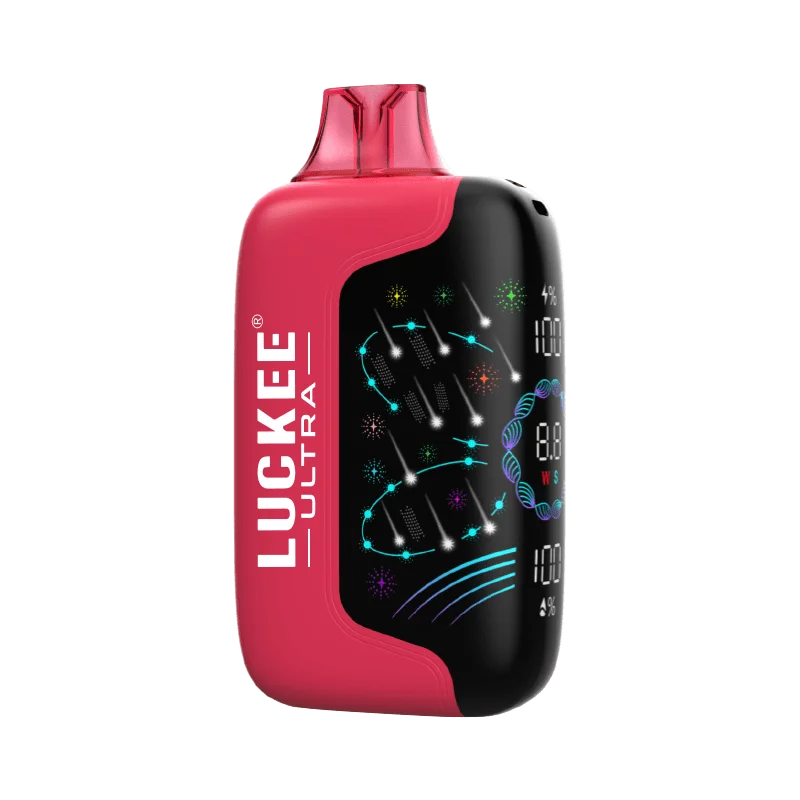
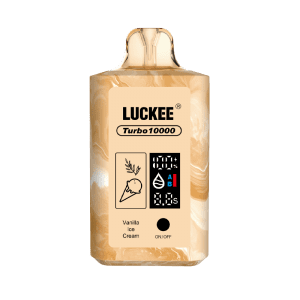
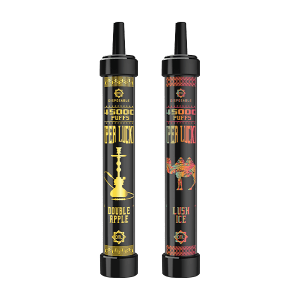
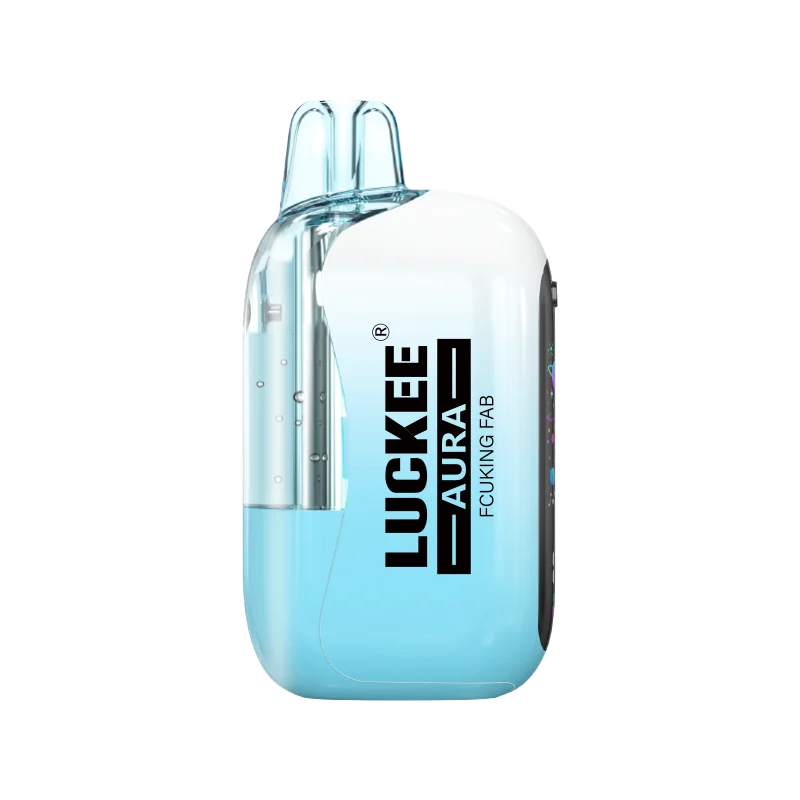
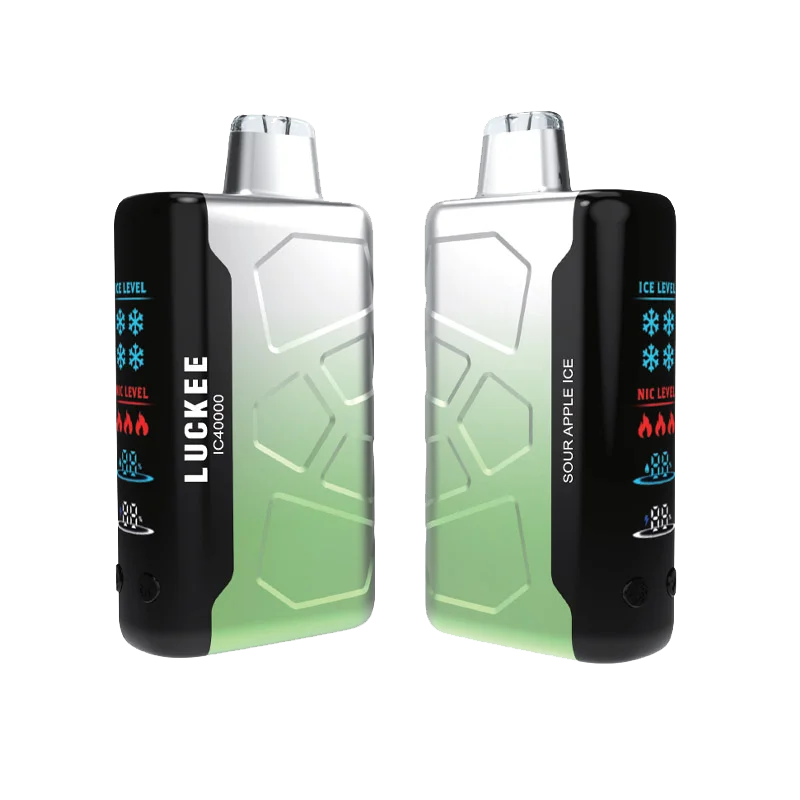
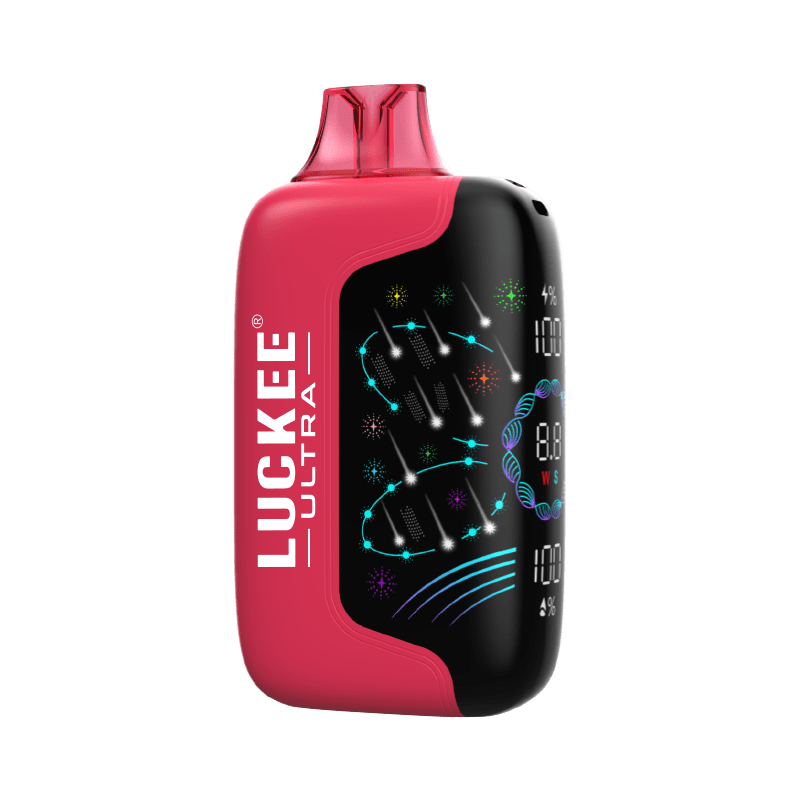
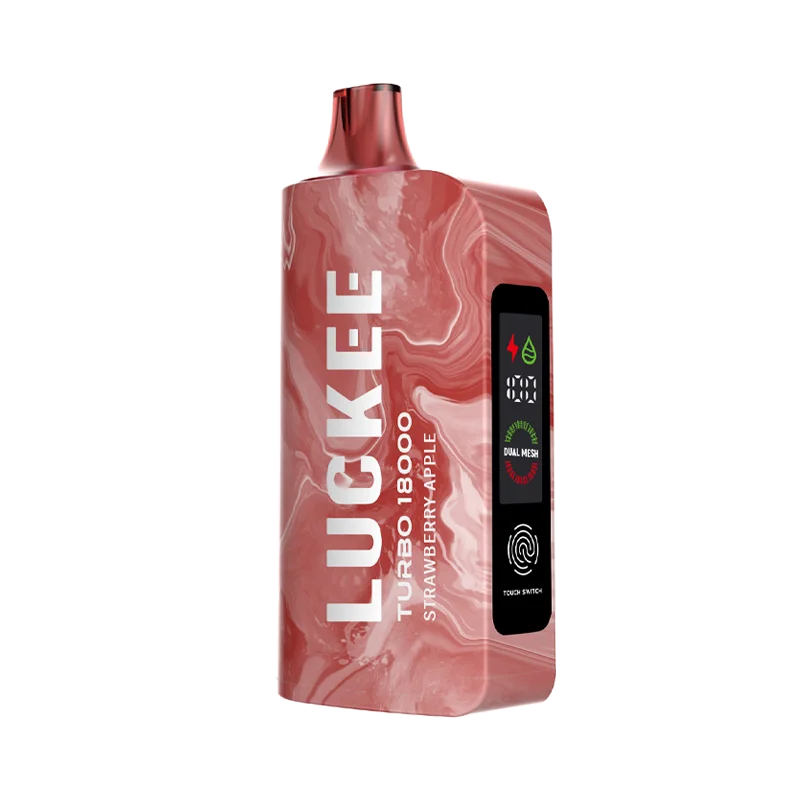
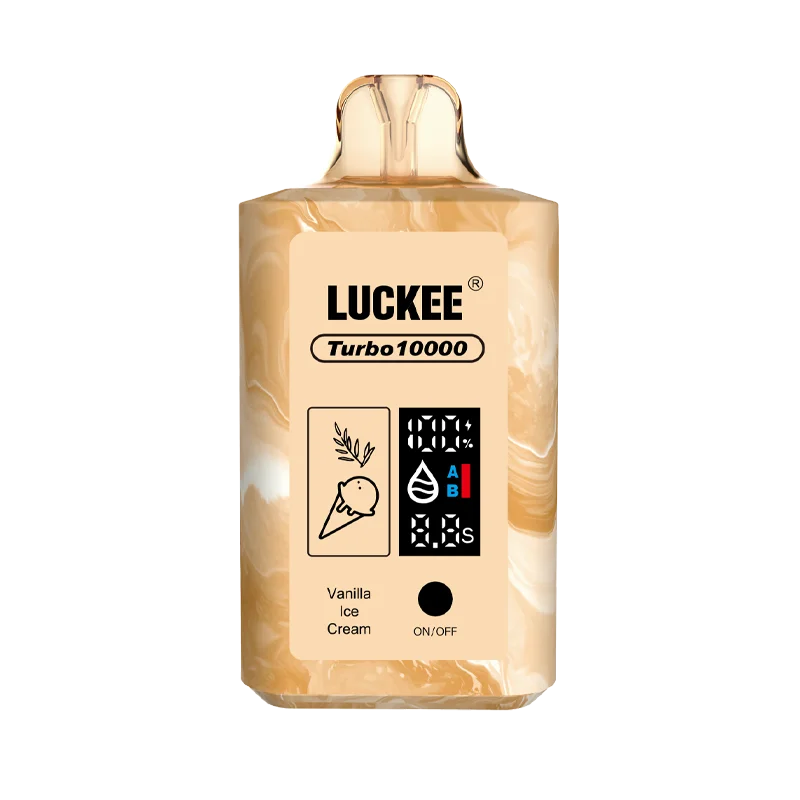
Custom branding allows you to stand out in a saturated market. Unique packaging, flavors, and device designs help create a recognizable identity.
Higher Profit Margins
By working directly with manufacturers, you eliminate middlemen and gain better pricing control, increasing overall profit margins.
Customer Loyalty & Long-Term Growth
A strong brand builds trust and repeat purchases. Customers are more likely to return to a recognizable brand than generic products.
Market Flexibility
Private label brands can quickly adapt to trends, launch new flavors, and adjust product positioning based on local demand.
2. US FDA-Compliant OEM Standards & Customization Scope
Compliance is the foundation of any successful vape brand in the US. OEM products must meet strict regulatory requirements.
Core Compliance Requirements
- FDA product registration and listing
- Ingredient disclosure and verification
- Nicotine concentration accuracy and labeling
- Safety testing reports (battery, materials, emissions)
- Proper warning labels and packaging compliance
Customization Scope for OEM Orders
A professional OEM manufacturer typically offers:
- Logo printing on devices and packaging
- Custom flavor development (fruit, mint, tobacco profiles)
- Nicotine strength options tailored to market demand
- Device design customization (color, shape, puff count)
- Packaging design aligned with US compliance standards
Choosing a compliant OEM partner ensures your products can legally enter and remain in the US market.
3. Complete Private Label OEM Process
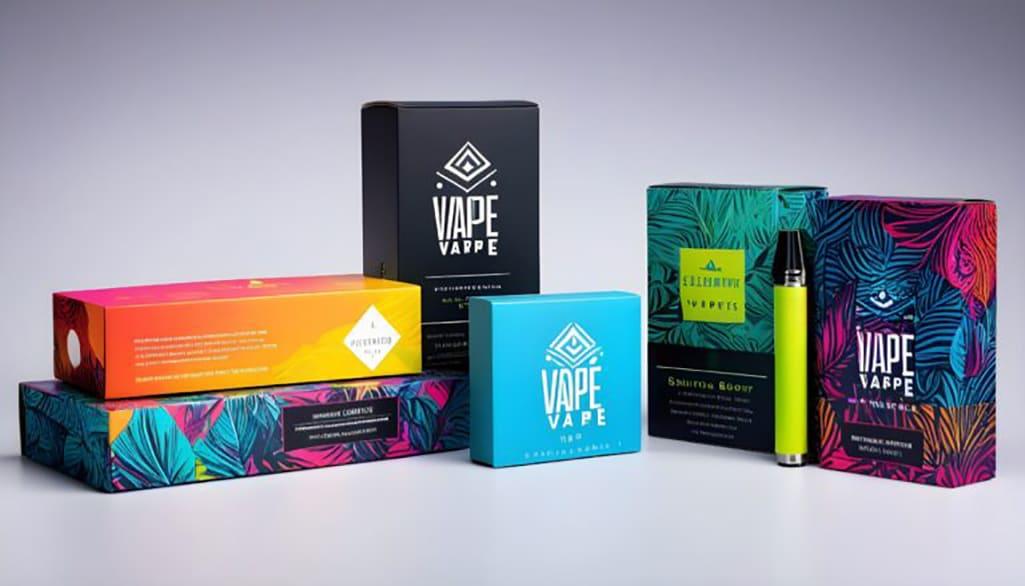
Launching a vape brand involves a structured and collaborative production process.
Step 1: Brand Concept & Design


Define your brand identity, target audience, product positioning, and visual design. This includes logo creation, packaging style, and flavor lineup.
Step 2: Sample Development & Testing


Manufacturers produce samples based on your specifications. You test flavor quality, device performance, and packaging compliance before mass production.
Step 3: Mass Production


Once samples are approved, the factory begins bulk production under strict quality control procedures to ensure consistency.
Step 4: Packaging & Shipment

Products are packaged according to compliance standards and shipped using professional logistics channels with complete documentation.
4. MOQ Policy & Cost Control for New Brands
Minimum Order Quantity (MOQ) is a key concern for startups entering the vape market.
Low MOQ Strategies
- Start with small-batch trial orders to test market response
- Choose standard device models with custom branding to reduce tooling costs
- Use shared molds instead of fully customized hardware
Cost Control Tips
- Focus on best-selling flavors instead of wide product ranges initially
- Optimize packaging complexity to reduce printing costs
- Negotiate tiered pricing for future bulk orders
- Combine multiple SKUs in one order to meet MOQ requirements
Effective cost control allows new brands to enter the market with lower risk and scale gradually.
5. Brand Packaging & Market Positioning for US Sales
Packaging and positioning play a crucial role in brand success.
Compliance-First Packaging
- Clear nicotine warnings and ingredient labeling
- Avoid designs that appeal to minors
- Use professional, clean, and compliant layouts
Market Positioning Strategies
- Premium segment: Focus on high-end design and superior flavor quality
- Mass market: Emphasize affordability and reliability
- Niche segment: Target specific audiences with unique flavors or device features
Branding Tips
- Maintain consistent visual identity across all products
- Use storytelling to connect with customers
- Leverage online and offline marketing channels for brand exposure
A strong combination of compliance and branding ensures long-term competitiveness in the US vape market.
Conclusion
Private label OEM is one of the most effective strategies for building a successful vape business in the US in 2026. By creating a unique brand, ensuring full FDA compliance, and working with a reliable manufacturer, new entrants can avoid homogeneous competition and achieve sustainable growth. From concept design to mass production and logistics, every step requires careful planning and professional execution.
We provide full-service US-compliant vape OEM solutions, including product development, custom branding, low MOQ production, and complete regulatory support. Contact us today to start building your exclusive vape brand with competitive pricing, fast turnaround, and expert guidance tailored to the US market.