

Refillable Vape vs Disposable: Which Saves More in 2026?
Updated 5 November 2026 · Cost model, hidden expenses and the 2026 rule changes
Short answer: refillable is cheaper per millilitre — usually five to eight times cheaper — but that headline overstates the saving. It ignores coils, device replacement and the 2ml tank cap that stops you buying in bulk. It also ignores the bigger 2026 change: in four European markets the comparison no longer exists, because disposables cannot legally be sold.
What’s the difference between refillable, rechargeable and disposable?
Most comparisons collapse three separate properties into one, which is why their conclusions rarely survive contact with a shop shelf. They are independent:
| Type | Battery | E-liquid | What you replace |
|---|---|---|---|
| Classic disposable | Sealed, usually not chargeable | Sealed, 2ml | The whole device |
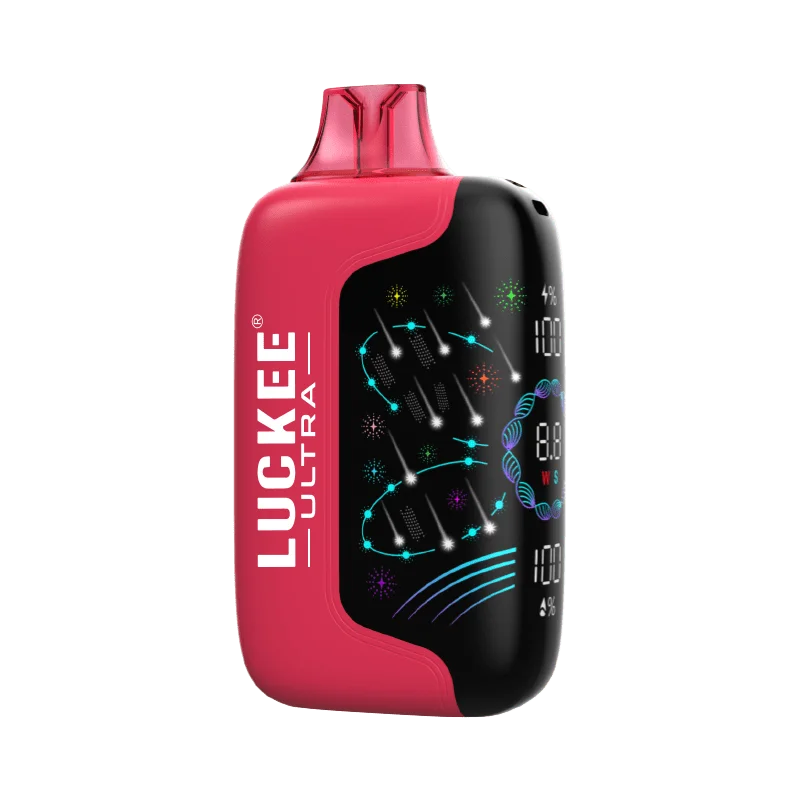
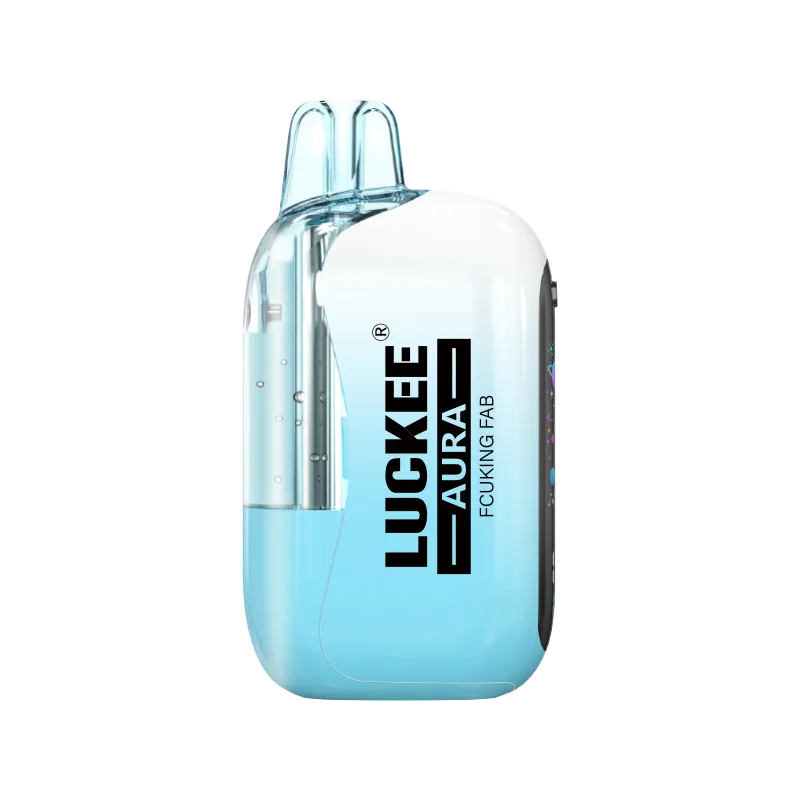
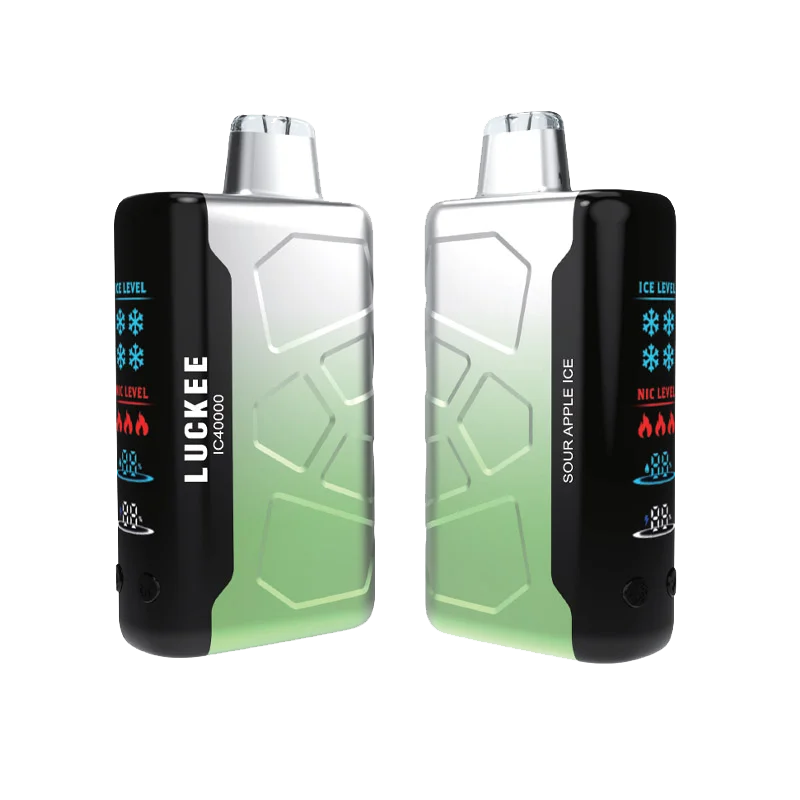
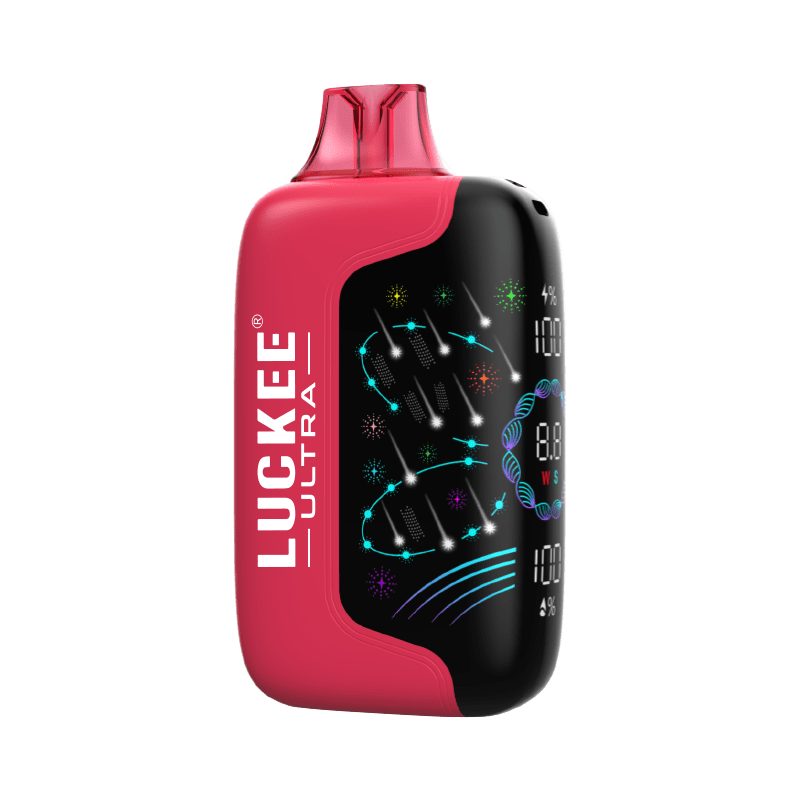
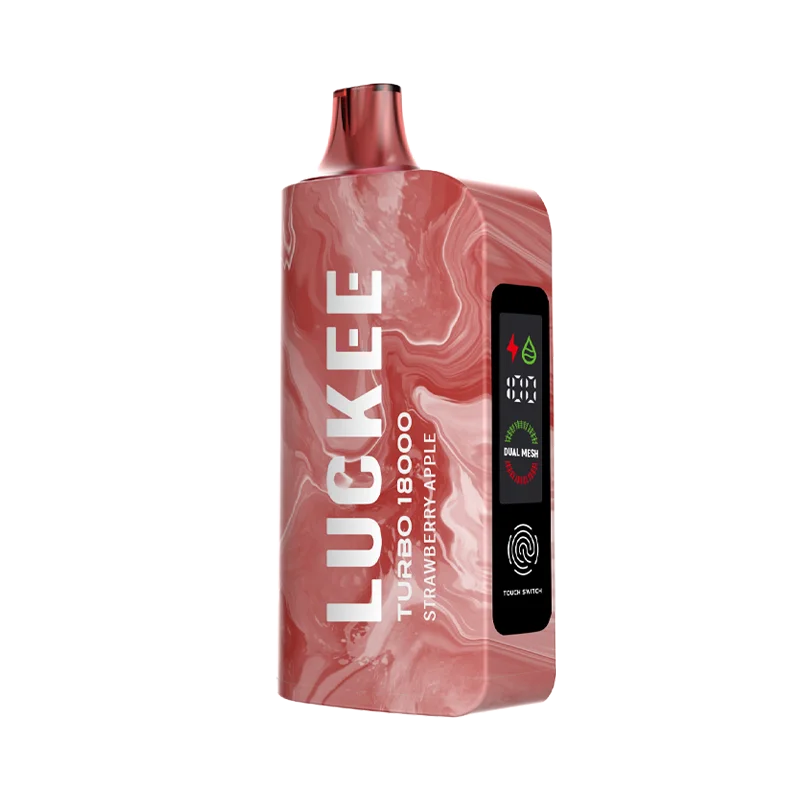
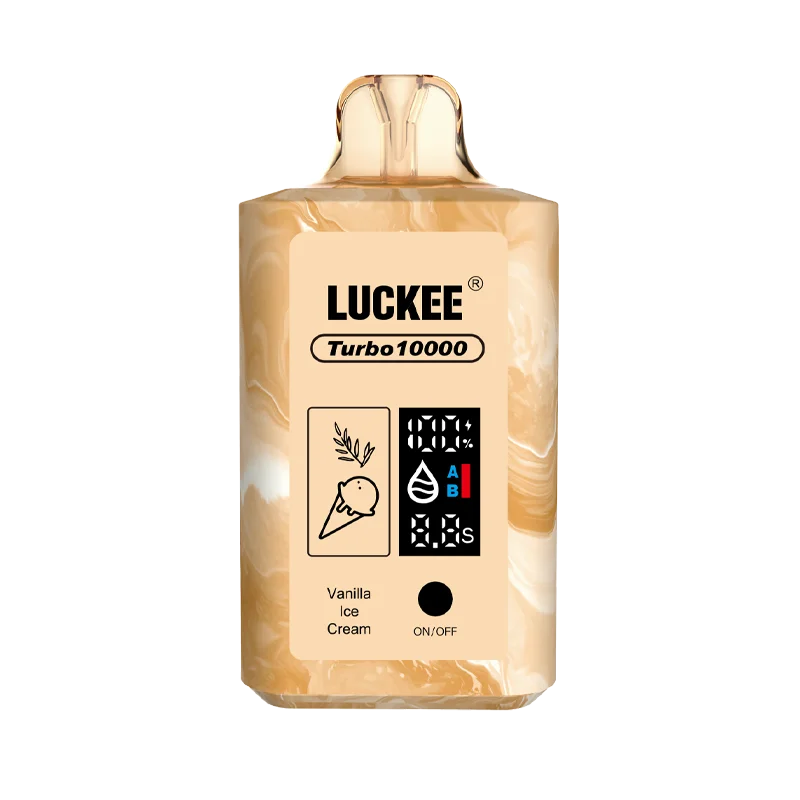
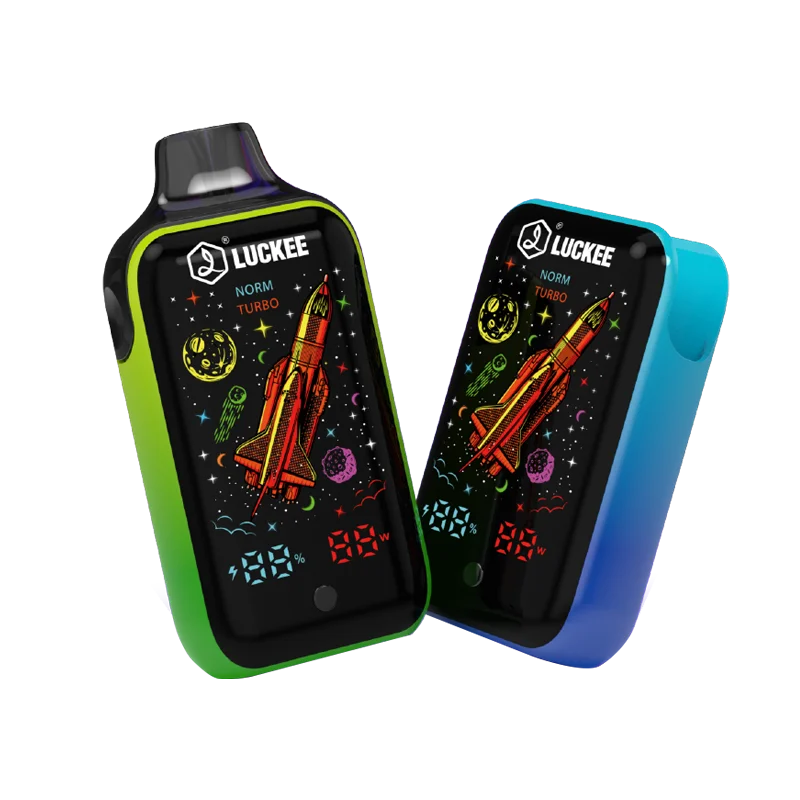
| Large disposable (“big puff”) | Rechargeable via USB-C | Sealed, 2–20ml | The whole device |
| Prefilled pod kit | Rechargeable | Sealed pods, 2ml | The pod only |
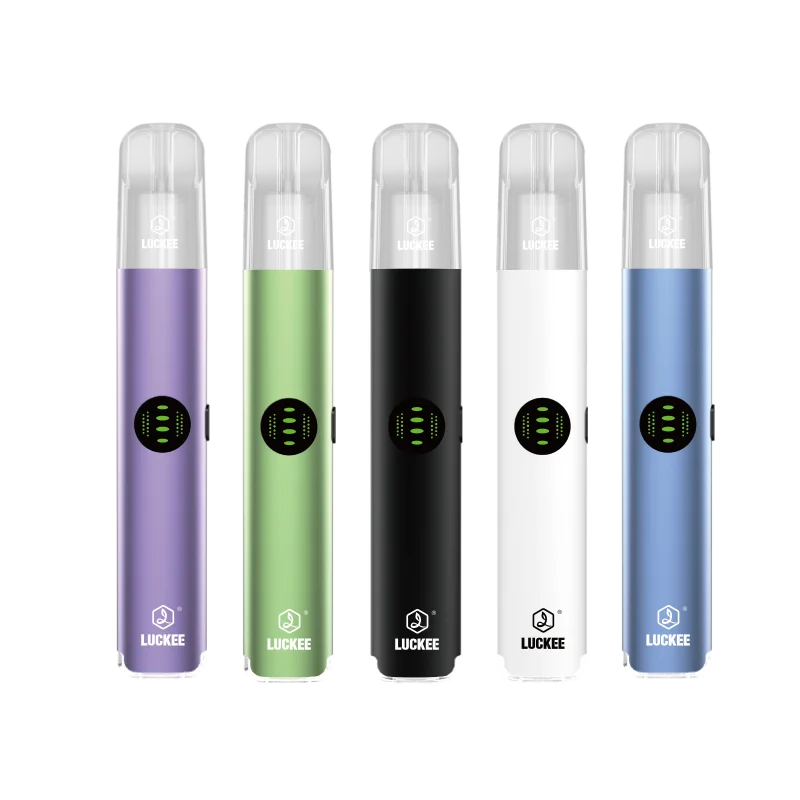
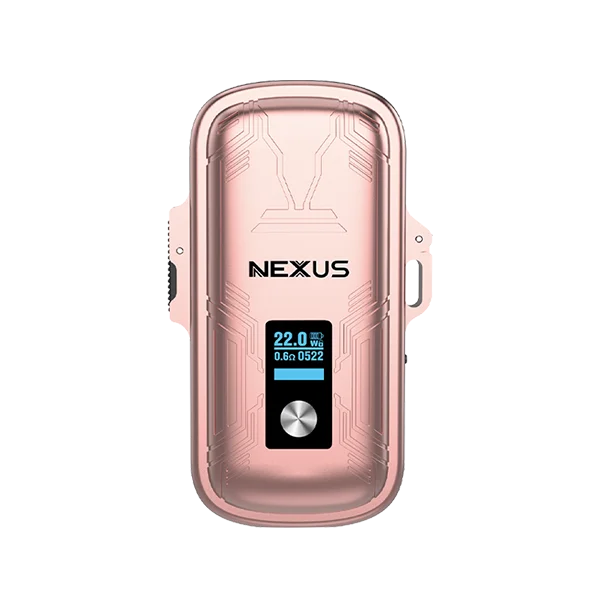
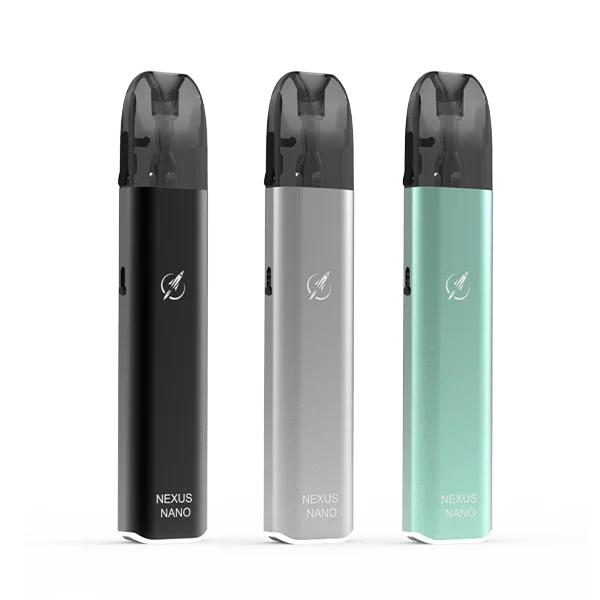
| Refillable pod kit / tank | Rechargeable | You fill it, 2ml chamber | Coil or pod, plus liquid |
Read row two again. Rechargeable does not mean refillable. Most high-puff disposables have a USB-C port, so shoppers reasonably assume the device is reusable. It is not — the chamber stays sealed, and the device dies with its battery.
That distinction is now a legal boundary. France’s Law 2025-175, in force since 26 February 2025, bans pre-filled devices that cannot be refilled whether or not the battery recharges, and expressly excludes separately replaceable cartridges. There, rechargeable-but-sealed is illegal; a pod you swap cartridge-by-cartridge is not.
Which costs less per millilitre of e-liquid?
Cost per puff is the number everyone quotes and nobody can verify, because puff counts are manufacturer estimates tested under different conditions. Cost per millilitre is measurable and survives a price change. Typical UK retail, late 2026:
| Format | Pack size | Typical price | Cost per ml |
|---|---|---|---|
| 600-puff disposable | 2ml sealed | £5.00–£6.99 | £2.50–£3.50 |
| Prefilled pod (2-pack) | 2 × 2ml | £5–£6 | £1.25–£1.50 |
| Refillable + 10ml nic salt | 10ml bottle | £3–£5 | £0.30–£0.50 |
| Refillable + 10ml, post-duty | 10ml bottle | £5.20–£7.20 | £0.52–£0.72 |
UK retail ranges, November 2026. The last row adds the Vaping Products Duty of £2.20 per 10ml, in force since 1 October 2026. Disposables have been illegal to sell in the UK since 1 June 2025; that row is pre-ban pricing, kept as the reference point for markets where the format is still sold.
The gap narrows against high-puff disposables. A 10,000-puff device holding 12ml sells for roughly £1 per millilitre where it is legal — still two to three times the refillable rate, but nothing like eightfold.
One structural note: TPD caps the tank at 2ml and refill bottles at 10ml across the EU, so the refillable advantage is capped by regulation — you cannot buy 100ml at a discount and amortise it. Outside the EU that ceiling disappears, and US buyers get 60ml shortfills at rates that make European refillable pricing look expensive.
What hidden costs does a refillable vape carry?
Almost every “refillable saves you £1,400 a year” calculation counts e-liquid and nothing else. The omissions run to several hundred pounds:
- Coils or pods: £2–£4 each, replaced every one to two weeks — £96–£192 a year for a moderate vaper. Sweet liquids push it toward the top of that range.
- Device replacement: a pod kit lasts six to eighteen months. Budget £15–£35 a year to stand still.
- Consumables and mistakes: a spare USB-C cable, a drip tip, and the bottle of liquid you buy once and never finish.
- Learning curve: burnt coils from firing before the cotton soaks, leaks from overfilling, and a week of muted flavour while you find the right resistance.
Add those in and the realistic annual picture, for someone using roughly one 600-puff-equivalent a day:
| Line item | Disposable route | Refillable route |
|---|---|---|
| Hardware, year one | £0 upfront | £15–£30 kit |
| Ongoing consumable | £5.50 × 365 = £2,007 | 10ml every 3 days ≈ £500–£850 |
| Coils / pods | Included in device price | £96–£192 |
| Device replacement | Included | £15–£35 |
| Realistic year one | ≈ £2,000 | ≈ £630–£1,100 |
The saving is real, but it is closer to half to two thirds than the “85% cheaper” claims circulating online. Anyone quoting more is comparing a heavy disposable habit against a light refillable one, or has left the coils out.
How much do you have to vape before refillable pays back?
Payback period is the honest version of the question, because savings only accumulate if you vape enough to generate them.
| Your habit | Weekly disposable spend | Weekly refillable spend | Kit pays back in |
|---|---|---|---|
| Light — 1 device per week | £5.50 | ≈ £3.50 | ≈ 12–15 weeks |
| Moderate — 1 per day | £38 | ≈ £12 | ≈ 1 week |
| Heavy — 2 per day | £77 | ≈ £22 | Under a week |
The first row is the one to be honest about. Vape a single device a week and a £25 kit takes three months to repay itself, for an annual saving near £100 — worth having, not life-changing. Vape daily and the decision justifies itself within a week.
What changed in 2026 that shifts the math?
Three things, all pushing the same way.
The UK vaping duty arrived. Since 1 October 2026 e-liquid carries £2.20 per 10ml. On a 2ml disposable that is 44p of duty, but manufacturers pass it on with margin and retail moved £1–2 per device. A refillable user pays £2.20 on a 10ml bottle at cost, with no intermediary markup. The duty was designed to be roughly neutral; in practice it is not.
Four markets have already banned the format. Belgium from 1 January 2025, France from 26 February 2025, the UK from 1 June 2025, and Bulgaria following Commission approval. Ireland’s law was signed in July 2026, with the sales ban deferred to 24 January 2027.
The EU battery regulation sets a deadline. Regulation (EU) 2023/1542 requires portable batteries in consumer devices to be removable and replaceable by February 2027. A sealed cell soldered into a chassis cannot meet that, so single-use falls outside the market in all 27 member states — not because anyone banned vaping, but because the rule was written for e-waste.
Where are disposables already illegal?
| Market | Status | What is still sold |
|---|---|---|
| Belgium | Banned since 1 Jan 2025 | Refillable and pod systems |
| France | Banned since 26 Feb 2025 | Separately replaceable cartridges explicitly allowed |
| United Kingdom | Banned since 1 June 2025, nicotine-free included | Refillable and prefilled pod kits |
| Ireland | Signed Jul 2026, sales ban from 24 Jan 2027 | Still on sale until then |
| Bulgaria, Austria, Poland, Spain | Approved or in legislative process | Transitional sales |
| Netherlands, Denmark | No hardware ban, tobacco flavour only | Restricted-flavour disposables |
| Germany | No ban; retailer take-back mandatory since 1 Jul 2026 | Disposables, under a rising tax ladder |
| Italy, Portugal, most US states | Legal under TPD or local rules | Full range, subject to excise and flavour law |
Status as of November 2026. National rules move quickly; confirm before committing stock to a market.
Which should you buy first?
Cost is only one variable. The cheapest format is worthless if you stop using it in week two.
| Your situation | Best first buy | Why |
|---|---|---|
| Switching from disposables, want the same feel | Prefilled pod kit | Identical draw, no filling, lowest learning curve |
| Want the lowest running cost | Refillable pod kit + 10ml nic salt | £0.30–£0.50 per ml, pays back in weeks |
| Vape a device a week or less | Prefilled pod kit | Refillable payback is 3 months at that volume |
| Heavy user | Refillable tank or high-capacity pod | The 2ml chamber becomes the bottleneck otherwise |
| Frequent traveller | Two small refillable pods | Pods leak in cabin pressure; a spare beats a refill |
Two rules cut the learning curve. Match liquid to device — 50/50 nicotine salt in a pod, 70/30 in a sub-ohm tank, never the reverse — and change the coil at the first persistent burnt taste. Our guide to nicotine strengths covers which concentration to start on, and the prefilled vs refillable pod comparison goes deeper if you are still deciding between sealed and open pods.
What should B2B buyers stock for 2026 and 2027?
The compliance workaround the industry settled on is architectural. Instead of one 2ml reservoir, manufacturers build multi-chamber devices — a 4-in-1 carousel of four physically isolated 2ml pods, or a decoupled design with a 2ml active chamber fed from a separate reservoir. Each individual reservoir stays at or below the TPD limit, so the device is compliant while delivering 3,000-plus puffs. If you source high-capacity product into the EU, that is the design brief to give a supplier.
Three things for the sourcing plan. Ask for the actual EU-CEG notification number rather than a “TPD certificate”, which does not exist — our TPD compliance guide lists the six documents to verify. Model landed cost properly, because the US tariff position on Chinese hardware has changed materially — the USA vs China comparison breaks down the current duty stack. And concentrate any disposable range on markets where the format remains legal: the Middle East wholesale guide covers the one major region still expanding disposable volume.
Wherever you source, run the same checks before the first wire: a manufacturing licence with a factory address, UN 38.3 battery reports per model, and a live video tour of the filling line. The manufacturer checklist walks through the sequence, and our Germany policy breakdown shows how a rising excise ladder reshapes retail pricing.
Frequently asked questions
Is refillable always cheaper than disposable?
Per millilitre, yes — typically five to eight times cheaper. But the annual gap depends on how much you vape and whether you count coils and device replacement.
Does rechargeable mean refillable?
No. Rechargeable describes the battery; refillable describes the liquid chamber. Most large disposables are rechargeable but sealed, so they remain single-use.
How often do refillable coils need replacing?
Every one to two weeks for a moderate vaper, at roughly £2–£4 each. Heavily sweetened liquid pushes that toward weekly.
Are disposable vapes still legal in 2026?
It depends on the market. Belgium, France and the UK have banned single-use sales; Ireland follows in January 2027. They remain legal in Germany, Italy, Spain, Portugal and most US states.
Do refillable vapes taste as good as disposables?
Usually yes, and often better — most popular disposable flavour profiles are sold as 10ml nicotine salt bottles, and a fresh coil tastes cleaner than a disposable near end-of-life. If you are comparing puff counts instead, our piece on how many puffs equal one cigarette explains why box numbers rarely match reality.
Will the 2027 EU battery rules really end disposables?
Effectively, yes. From February 2027, portable batteries must be removable and replaceable, and a sealed soldered-in cell cannot comply — so current single-use designs fall outside the market in all 27 member states.
So which one actually saves more?
Refillable wins on unit cost, and the gap is large enough to matter — roughly £900–£1,400 a year for a moderate daily user, once you count what disposables really cost and what coils really add. But the honest answer is narrower than the marketing: refillable saves the most if you vape daily, live in a market where disposables are still legal, and can be bothered to change a coil every fortnight.
Vape lightly and the payback takes a season. Live in the UK, Belgium or France — or anywhere in the EU from 2027 — and the cost question has already been settled by legislation. The only choice left is which reusable format suits how you actually vape.
Prices are typical retail ranges observed in November 2026 and vary by retailer, region and tax treatment. Regulatory status changes frequently — verify locally before purchase or import. Nicotine is addictive; these products are for adult smokers of legal age only and are not risk-free. This article is informational and not legal or financial advice.