











The European Union is tightening its grip on the tobacco industry with a dual strategy of aggressive tax hikes and stricter product regulations, set to take full effect in 2026. While the stated goal is public health harmonization, the unintended consequence is a booming black market. Spain now stands at a critical crossroads: as Brussels mandates price increases of up to 139% for cigarettes, experts warn that the illicit trade—already modernizing with drone technology in Gibraltar—will exploit the widening price gap between legal and illegal products.

Key Takeaways
- Tax Shock: The EU’s new directive (TED) proposes tax hikes of 139% for cigarettes and 258% for rolling tobacco.
- Smuggling Surge: In 2024, illicit cigarette consumption in the EU hit its highest level since 2015, costing billions in lost revenue.
- Modern Threats: Criminal networks in Spain are innovating, using drones to smuggle tobacco across the Gibraltar border.
- Failed Bans: Belgium’s ban on nicotine pouches failed to stop sales, with vendors hiding products in “washing machines and ovens.”
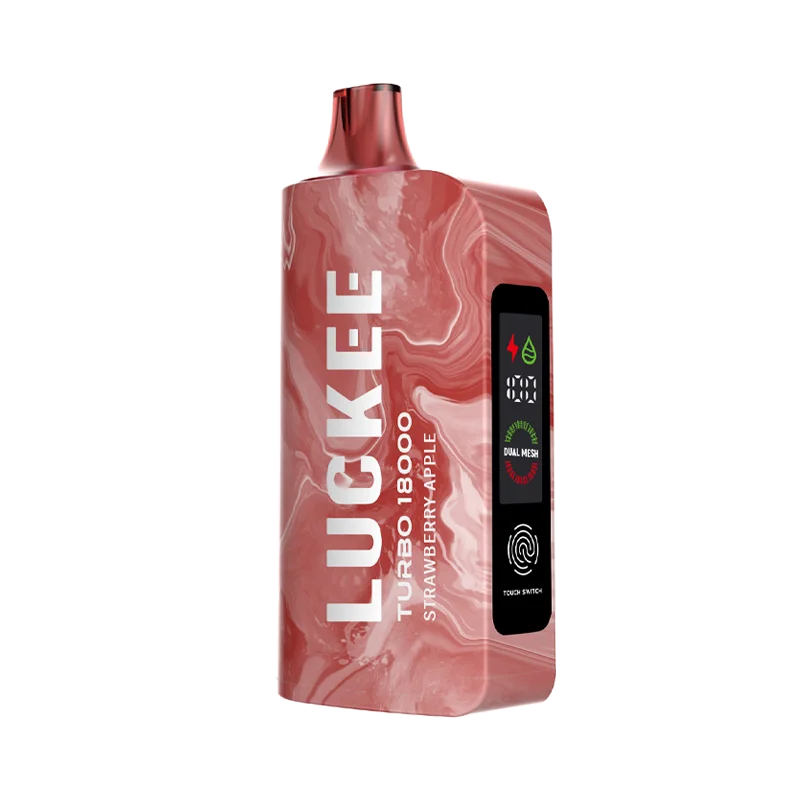
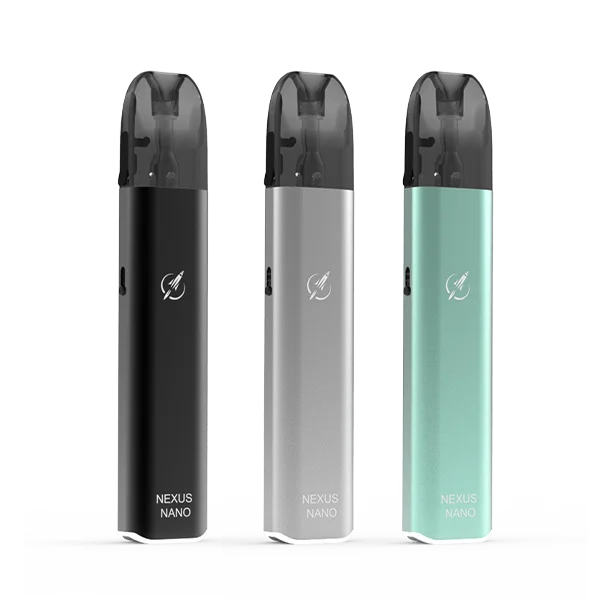
- Alternative Hit: The new rules also target harm-reduction products like vapes and nicotine pouches, potentially pushing users to the black market.
The Regulatory Hammer: TED and TPD Explained
The legislative mandates from Brussels, it becomes clear that the EU is launching a synchronized attack on nicotine. The strategy rests on two pillars: the Tobacco Excise Directive (TED) and the Tobacco Products Directive (TPD).
The TED proposal, introduced in 2025, is a fiscal shock therapy. It mandates a minimum excise increase of roughly 139% for standard cigarettes and a staggering 258% for fine-cut tobacco. Crucially, it also introduces standardized levies for previously fragmented categories like e-liquids and nicotine pouches. The TPD complements this by tightening rules on ingredients, packaging, and traceability. The danger lies in the transition: if legal products become unaffordable or unavailable, the demand does not disappear—it goes underground.
The French and Belgian Warning Signs
Cross-referencing market data from neighboring countries indicates a critical shift in consumer behavior when prices rise too fast. France serves as the primary cautionary tale. With some of the highest pack prices in Europe, France has seen its illicit market explode. The 2024 KPMG report estimates the French black market volume at 18.7 billion cigarettes, resulting in a €9.4 billion tax loss.
Belgium offers a different lesson on prohibition. After banning nicotine pouches in October 2023, the government found that the products simply moved under the counter. The Brussels Times reported that inspectors found illicit pouches hidden in “washing machines, chip boxes, and ovens.” This proves that closing legal channels without reducing demand merely enriches unregulated vendors.
Comparison Matrix: The Cost of Compliance vs. Smuggling
The widening gap between legal compliance costs and black market profits creates a powerful economic incentive for crime.
| Factor | Legal Market (Post-2026) | Illicit Market |
|---|---|---|
| Tax Burden | +139% (Cigarettes), +258% (Rolling) | Zero |
| Regulation | Strict TPD compliance (Packaging/Ingredients) | Unregulated (No health checks) |
| Distribution | Licensed Tobacconists | Street dealers, Drones, Hidden stock |
| Consumer Cost | Prohibitive | Highly Competitive |
Spain’s Unique Vulnerability: Drones and Borders
Spain is theoretically better positioned than France due to lower baseline prices, but the trend lines are worrying. The illicit trade is not just growing; it is modernizing. In the Campo de Gibraltar, authorities are investigating the use of drones to smuggle tobacco, bypassing traditional border controls. This technological leap allows criminal networks to move high-value contraband with minimal risk.
If the EU’s “more price, fewer options” equation holds true, Spain risks becoming a major entry point for counterfeit vapes and illicit nicotine pouches. These products, entering via international channels, bypass all sanitary controls, posing a double threat: fiscal loss for the state and health risks for consumers consuming unregulated chemicals.
Will tobacco prices double in Spain?
If the EU’s TED proposal is fully adopted, yes. The mandated minimums would force a drastic price correction in Spain, likely pushing a significant portion of smokers toward the black market or cross-border shopping.
Read more : Spain Tightens Regulations on Smoking and Vaping