






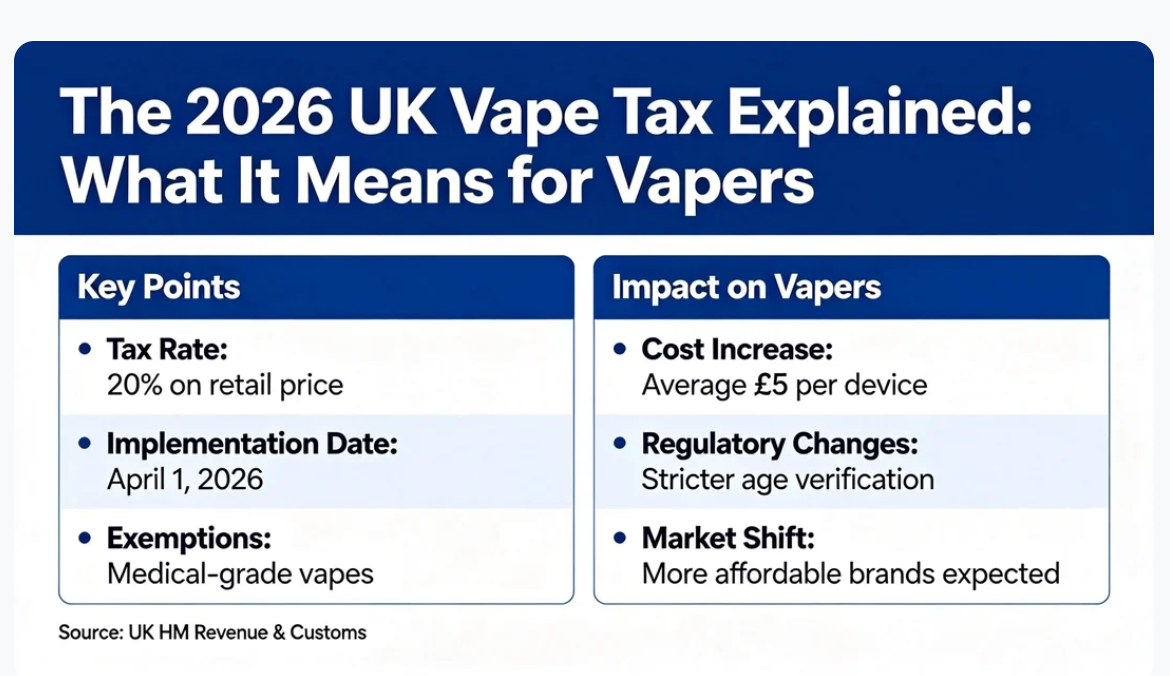
The 2026 UK Vape Tax Explained: What It Means for Vapers
As part of the Spring Budget 2024, the UK government confirmed the introduction of a new vape tax that will take effect from October 2026. This new charge, officially known as the Vaping Products Duty (VPD), will apply to all vape liquids sold in the UK, including both nicotine-containing and nicotine-free e-liquids. The duty will be set at £2.20 per 10ml, marking one of the biggest regulatory changes the vaping industry has seen to date.
In this guide, we explain what the new vape tax involves, why it’s being introduced, how different products will be affected, and what UK vapers can realistically expect once the changes come into force.
What Is the UK Vape Tax?
The UK vape tax, formally called the Vaping Products Duty, is a new government levy announced in the Spring Budget 2024. Unlike previous regulations, this duty applies to all e-liquids regardless of nicotine strength.
From 1 October 2026, every 10ml of vape liquid sold in the UK will carry a flat-rate duty of £2.20. This means standard 10ml bottles, nicotine shots, shortfills, and even zero-nicotine e-liquids will all be affected.
How Much Is the Vape Tax Increasing Prices?
The duty is charged per 10ml of liquid and is applied before VAT. Once the duty is added, VAT at 20% is calculated on the new total price, further increasing the final cost for consumers.
10ml E-Liquid Price Example
Average current price (including VAT): £3.99
Pre-VAT price: £3.33
Vaping Products Duty: +£2.20
VAT on new total: +£1.10
Estimated new price: £6.64
This represents an increase of roughly 66% once the tax is introduced.
Shortfill E-Liquid Price Example (50ml)
Average current price (including VAT): £11.99
Pre-VAT price: £10.00
Vaping Products Duty: +£11.00
VAT on new total: +£4.20
Estimated new price: £25.20
This is an increase of more than 100%, showing that larger bottles will see the biggest jumps at the checkout.
2ml Prefilled Pod Price Example
Average current price (including VAT): £4.00
Pre-VAT price: £3.33
Vaping Products Duty: +£0.44
VAT on new total: +£0.75
Estimated new price: £4.52
This works out at an increase of around 13%, significantly lower than the increase for shortfills.
Although shortfills will become much more expensive upfront, they still offer better long-term value. A 50ml shortfill can deliver around 15,000 puffs for roughly £25, while a 2ml pod offers about 600 puffs for around £4.50. On a cost-per-puff basis, shortfills remain far more economical.
Are Vape Devices Taxed Under the New Rules?
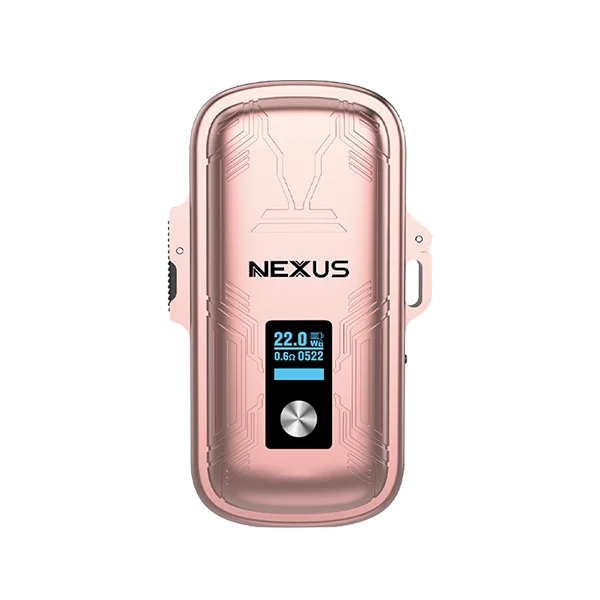
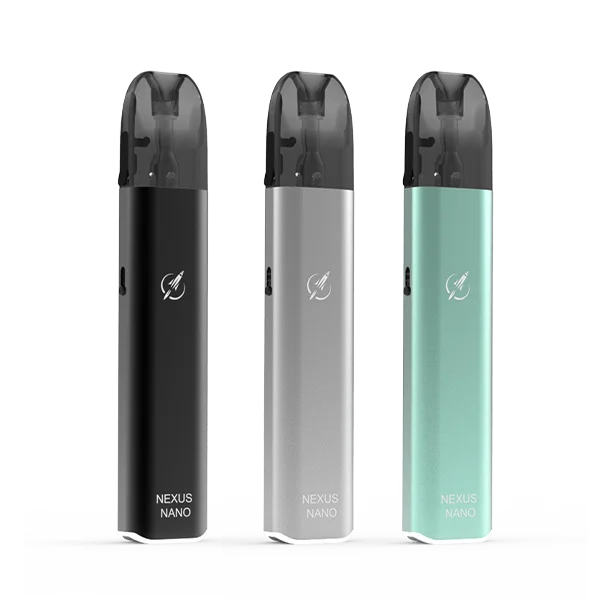
Vape devices themselves are not included in the Vaping Products Duty. Refillable pod kits, starter kits, and sub-ohm devices will not be taxed directly.
However, any prefilled pods or cartridges included with a device will be taxed based on the amount of e-liquid they contain. The duty applies strictly to the liquid, not the hardware.
When Does the UK Vape Tax Start?
The Vaping Products Duty officially comes into force on 1 October 2026. From that date, all e-liquids sold legally in the UK must include the duty in their retail price.
Why Is the Vape Tax Being Introduced?
The main aim of the vape tax is to reduce vaping among young people and non-smokers by making vape products less affordable. The government believes that a flat-rate duty will deter underage use while still allowing adult smokers access to vaping as a less harmful alternative to cigarettes.
Public health data has shown a steady rise in youth experimentation with vaping, which has been a key factor behind the decision to introduce the tax.
Will the Vape Tax Achieve Its Goal?
Many in the vaping industry support stronger measures to prevent underage vaping but stress the importance of keeping vaping accessible for adult smokers trying to quit.
While prices will rise, vaping is still expected to remain significantly cheaper than smoking, even after the tax is applied. The challenge will be striking a balance between youth prevention and harm reduction for existing smokers.
What Are Vaping Duty Stamps?
Alongside the new tax, the government will introduce Vaping Duty Stamps. These stamps will appear on bottles and packs of e-liquid to confirm that the Vaping Products Duty has been paid.
The stamps will help HMRC identify compliant products and crack down on counterfeit or illegal vape liquids. Duty stamps will begin appearing from October 2026 and will become mandatory from April 2027.
What Does the Vape Tax Mean for UK Vapers?
Once the tax is implemented, vapers can expect several changes:
Higher E-Liquid Prices
All e-liquids will increase in price, with larger bottles seeing the biggest rises. Despite this, vaping is still expected to cost less than smoking.
Changes in Buying Habits
Some vapers may move toward smaller formats like pods due to lower upfront costs, while others may continue using shortfills for better long-term value.
Legal and Stamped Products Only
All compliant e-liquids will carry a duty stamp, making it easier to identify legal products and avoid non-compliant or illicit items.
Wider Effects of the Vape Tax
Public Health and NHS Funding
The government expects the tax to generate substantial revenue, which can be reinvested into NHS services and public health initiatives while maintaining vaping as a harm-reduction option.
Environmental Considerations
Prefilled pods remain popular due to their convenience, but responsible disposal and recycling will become even more important. Many pod components can be recycled correctly, helping to reduce environmental impact.
Quick Product Guides After the 2026 Vape Tax
10ml E-Liquids
All 10ml bottles will incur £2.20 duty plus VAT. A typical bottle priced at £3.99 is expected to rise to around £6.63–£6.64. This applies to all nicotine strengths, including zero-nicotine options.
50ml Shortfills
A 50ml shortfill will attract £11.00 in duty before VAT. Prices are expected to rise from around £11.99 to approximately £25.20. Despite this, shortfills still offer strong value per ml.
100ml Shortfills
100ml bottles will face the largest total increase, with £22.00 in duty applied before VAT. Estimated prices could rise from around £14.99 to over £40. Even so, they remain the cheapest option per ml for heavy users.
Nicotine Shots
10ml nicotine shots will also be taxed at £2.20 per bottle. A typical nic shot priced at £1.49 could increase to around £4.13, a significant percentage rise.
Prefilled Pods and Pod Kits
Prefilled pods are taxed based on liquid volume. A 2ml pod will incur £0.44 in duty plus VAT. Devices themselves are not taxed, but any prefilled pods included in a kit are.
Final Thoughts
The 2026 UK vape tax represents a major shift for both the industry and consumers. While prices will rise, vaping is still positioned as a more affordable and less harmful alternative to smoking. Understanding how the tax works and how it affects different products will help vapers plan ahead and make informed choices once the new rules come into force.
Related Articles:
Ireland’s New Vape Tax Takes Effect, E-Liquid Prices Soar
Indonesia Customs: Vape Tax Is Regulation, Not a Ban
A Guide to Vape Taxes: U.S. and International Trends
New Vape Tax in the UK: What It Means for Vapers and Brands